The Havana issue
Landing in Havana with Enough Cash and Enough Patience
What the first ninety minutes at Terminal 3 ask of you: the exchange window, the SIM counter, the ride into town, and a bed with a host who knows when the power returns.
By Oliver NashReading Havana barrio by barrio
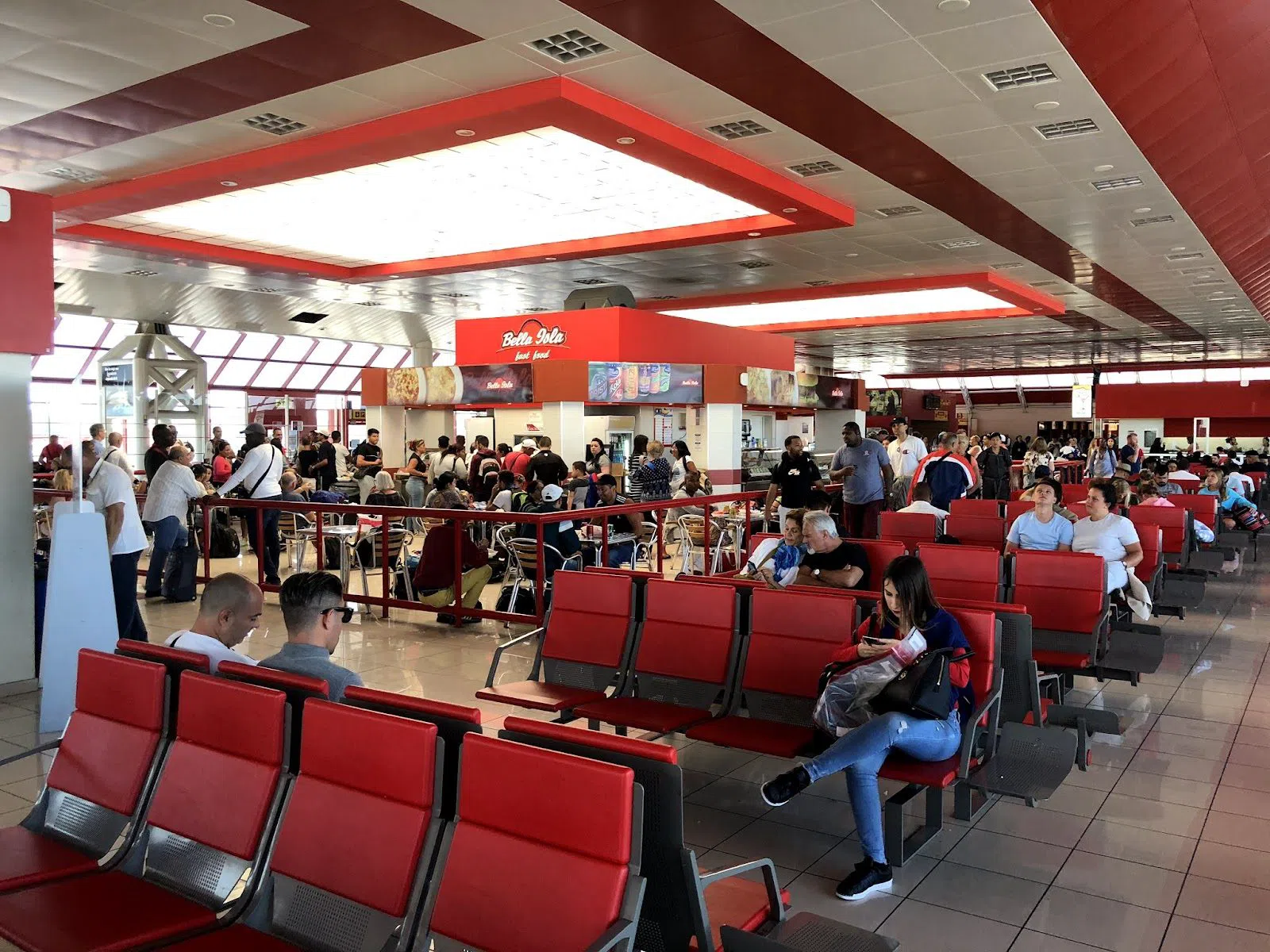
The plane drops low over cane fields and royal palms, and then you are in a hall where one belt is turning for three aircraft and nobody is hurrying. Havana asks two things of you before it gives anything back: an envelope of cash you brought from somewhere else, and the patience to stand still while a stamp is found. Get both right in the first ninety minutes and the rest of the week opens up.
The first ninety minutes at Terminal Three
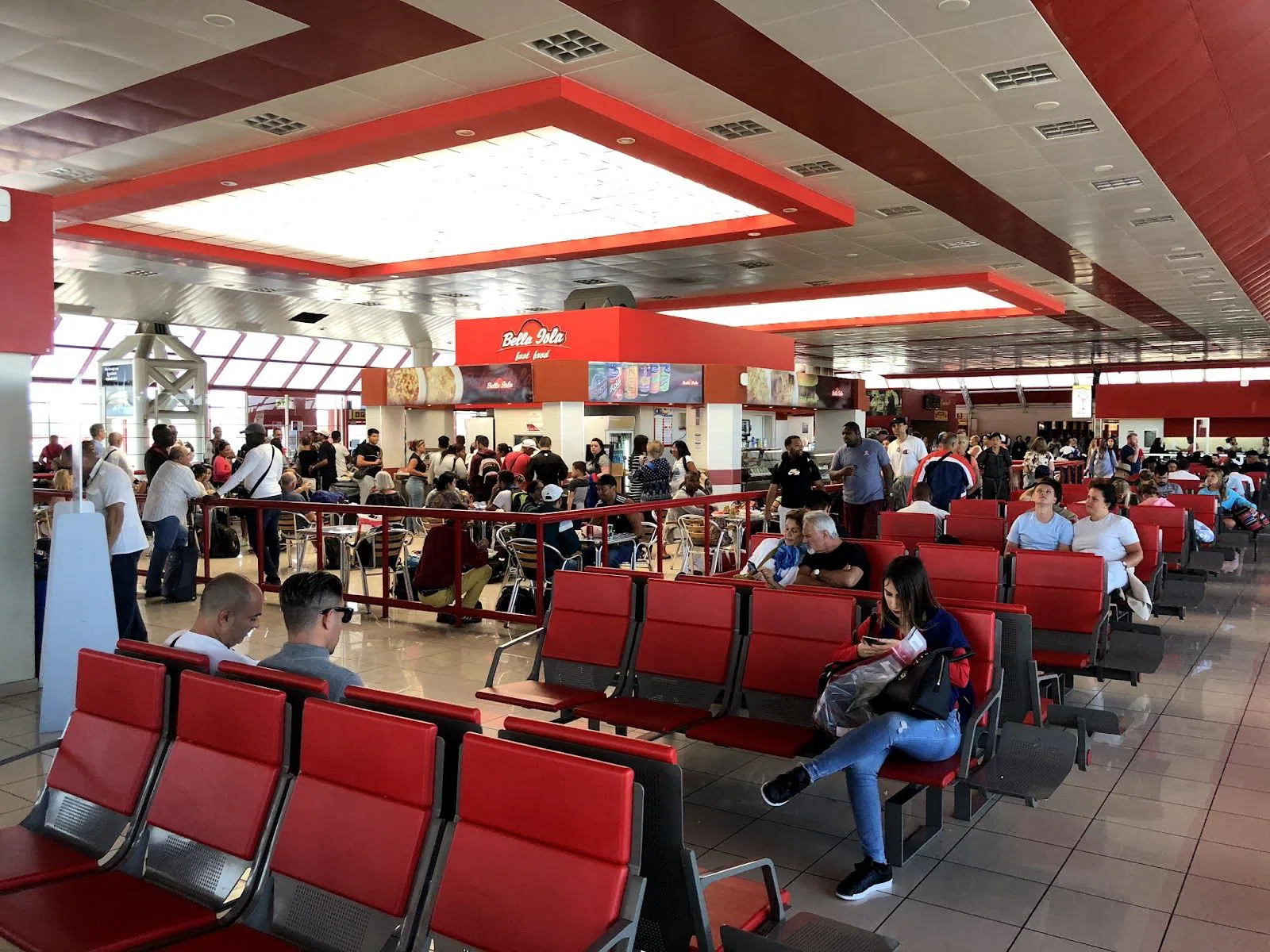
José Martí International Airport — Terminal 3 (Rancho Boyeros, about fifteen kilometres south of the seafront) takes almost every international arrival; Terminal 2 handles charter and US-focused traffic, so unless you were told otherwise, T3 is where you land. It is a small hall, and one baggage belt serves several widebodies that tend to arrive in the same window. It just means the twenty minutes you budgeted for the bags will be fifty, and how you handle that sets the tone for the week.
If you are travelling as a group of eight or ten, agree a meeting point outside the doors before you land. There is no room inside to reassemble a party, and people drift, one to the toilets, one to the exchange window, two outside for a cigarette, and then the group spends half an hour reconstituting itself in a doorway. Pick the far end of the kerb, say it out loud on the plane, and let everyone come to it in their own time.
The order of business is immigration, then bags, then two counters before you walk out: money and a SIM card. Both are inside the hall, both are slow, and neither gets easier once you are in the city.
Plan your Havana trip
Live prices from our booking partners.
Free cancellation on many rooms. We may earn a commission when you book.
Changing money without losing half of it
CADECA, the state exchange bureau in the T3 arrivals hall, charges no commission and works at the official floating rate, which has run roughly 410 to 420 Cuban pesos to the US dollar through 2026. It serves one person at a time. A group should send one member to the window with everyone's passports rather than queue as a block, and whoever goes should count the notes at the counter before stepping away. Short-changing at exchange windows is a standing complaint, not a rumour.
The official rate is a long way below the informal street rate, which sat around 680 to 690 pesos to the dollar in early September 2026. Convert your whole trip at the window on arrival and you have given away a large share of your spending power. The fix is simple: change enough for the taxi and the first day, and keep the rest as hard cash.
That works because most of what a visitor actually buys is priced and paid in hard currency anyway. The casa, the paladar, the private driver, the classic-car transfer: all of them quote in dollars or euros and take the notes directly. Pesos are for the peso economy, the café, the market, the small change of a day. Bring the whole trip's money in cash, in small denominations, and assume there is no card and no cash machine to fall back on.
Buy the SIM before you leave the building
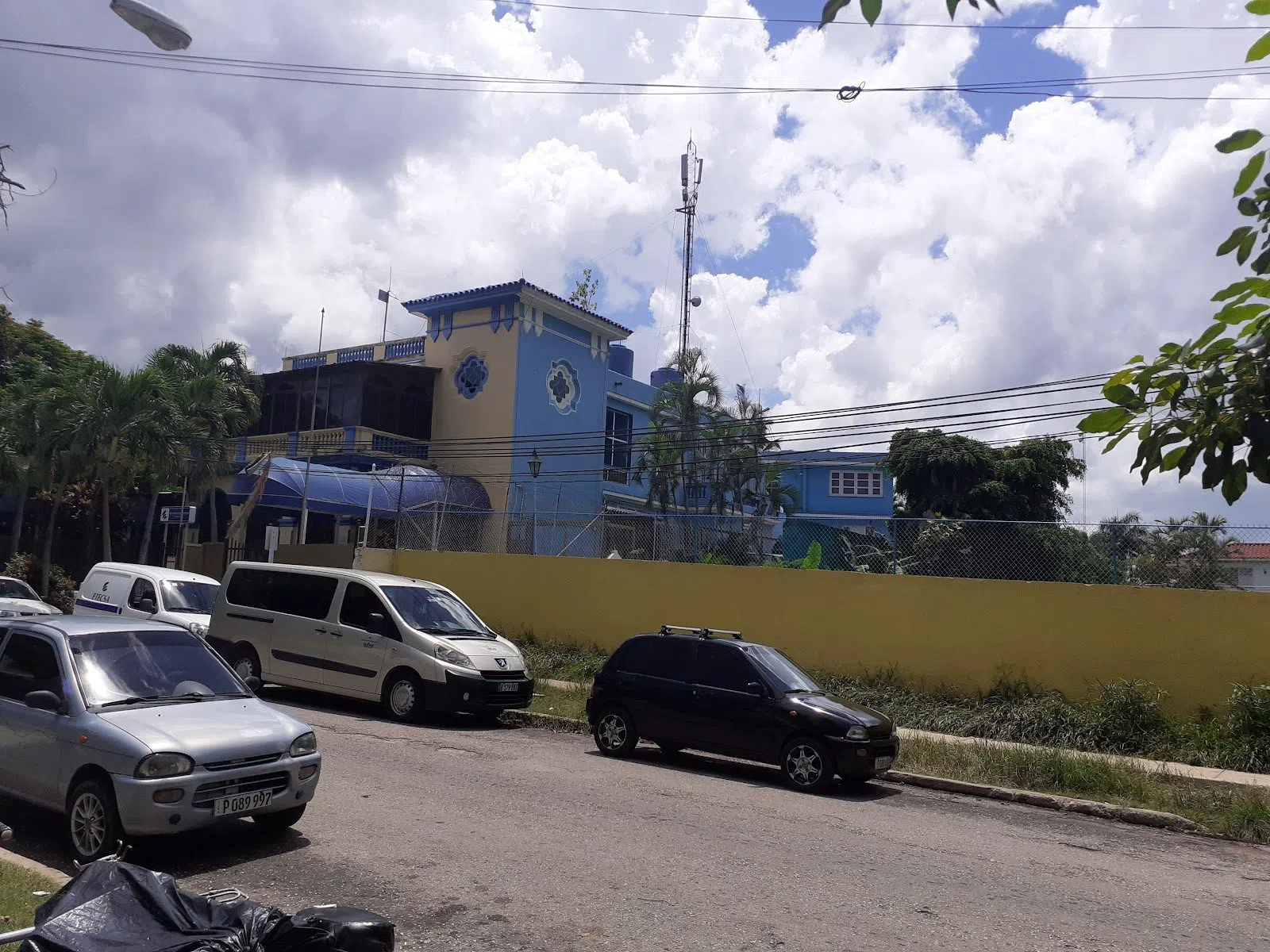
The ETECSA / Cubacel tourist SIM counter sits in the same T3 hall. Cuba's network still does not issue its own eSIM, so a physical Cubacel SIM bought at the counter is the only reliable data you will have. Tur Básico runs about US$14 for 4 GB over seven days; Tur Plus is about US$35 for 10 GB over thirty days with WhatsApp included. Prices have moved more than once in the past two years, so treat those figures as approximate.
Pre-order online and collect if you can. Stock and staffing at the counter are erratic, activation is one passport per SIM with no bulk handling, and a group of six will watch the line advance one person at a time. It is worth the wait regardless. Private Havana runs on WhatsApp: drivers confirm on it, casas answer on it, guides send you a pin on it. Arriving without a number means arriving unable to reach any of the people you booked.
The ride into town
Buy the taxi voucher at the official desk inside the terminal, not on the kerb. Inside, a run to Vedado or Habana Vieja is US$25 to US$35. Outside, late at night, the quote drifts to US$40 or US$50 and you are negotiating in a car park after a nine-hour flight, which is not a negotiation you win.
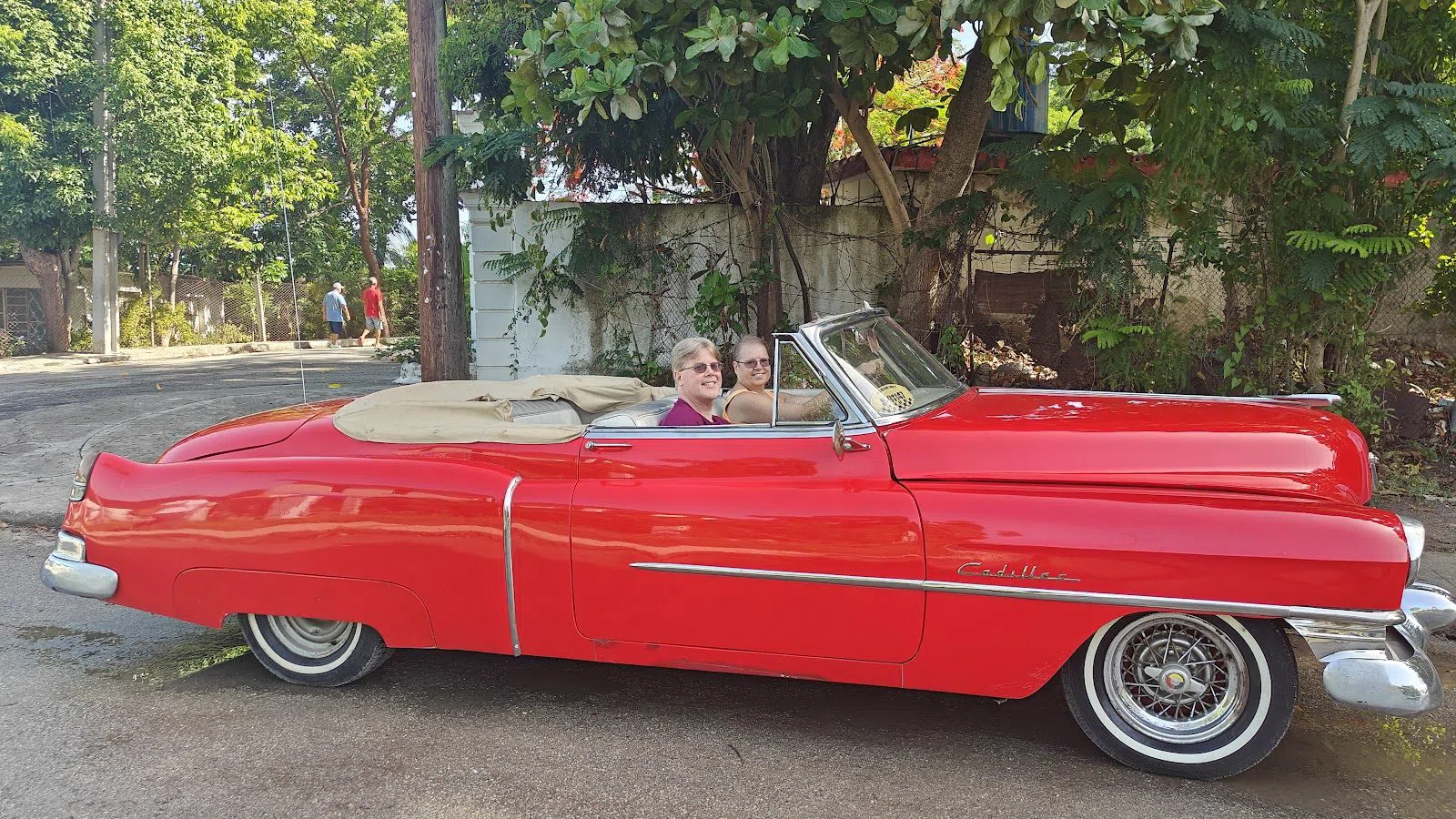
If you land after dark, or with children, or with more luggage than arms, book the ride before you fly. NostalgiCar (a licensed private operator working across the city) runs classic cars as a working transfer service. Julio Alvarez and Nidialys Acosta run it, airport pickups are arranged by WhatsApp in advance on +53 5 295 3842, and transfers cost roughly US$30 to US$40 per car, with city drives from about US$50 to US$60 an hour. Groups get multiple cars in convoy. A named driver holding a card with your name on it at midnight is worth every dollar of the difference, and they take the cash you carried in.
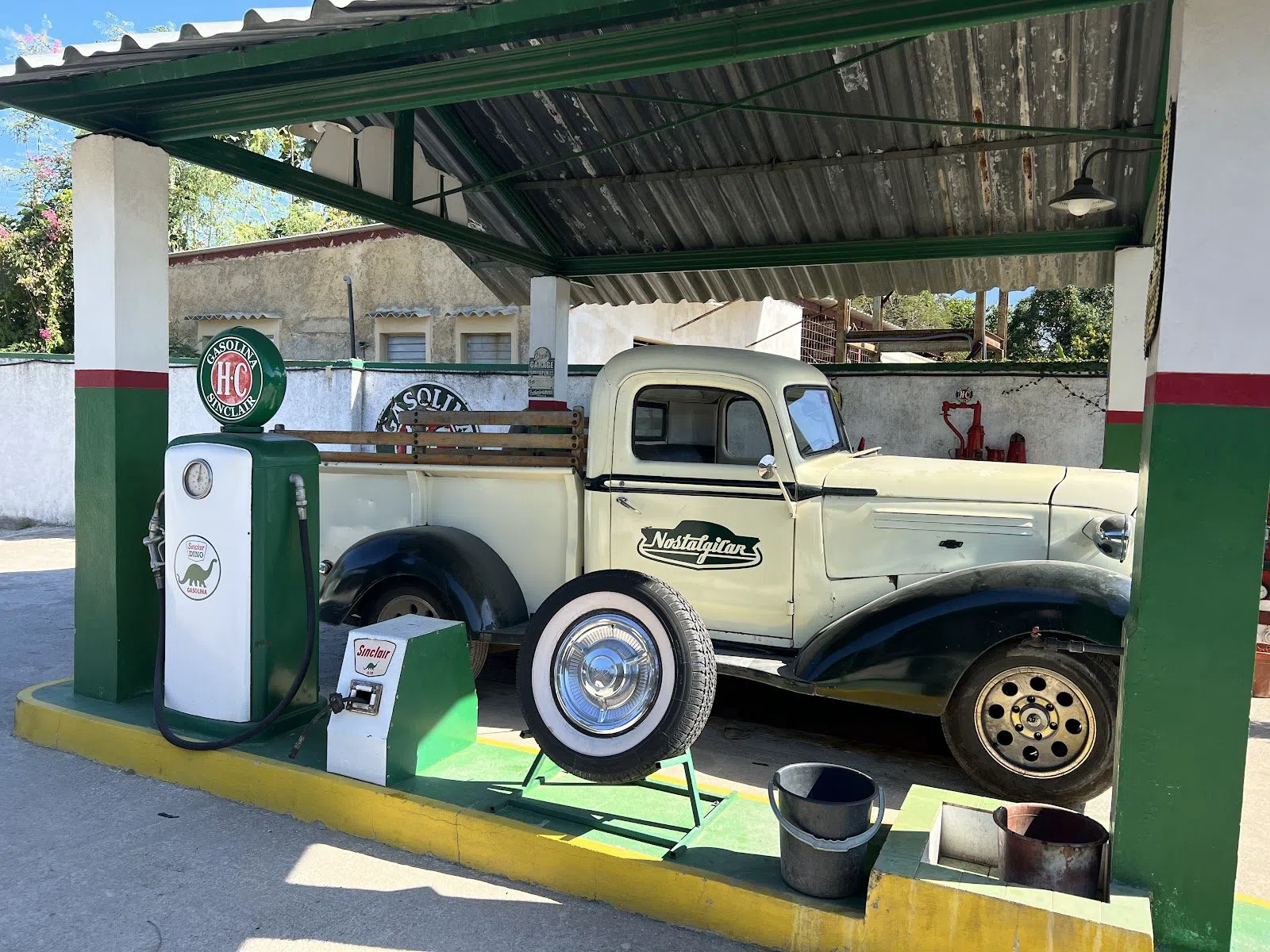
Casas will also send someone. Ask when you book, since most licensed hosts arrange transfers as a matter of course.
Where you sleep decides how the week feels
Power and water in Havana come and go, sometimes on a published schedule and sometimes not. So the choice of bed matters more here than in most cities. You are paying for someone who knows when the electricity returns to that block, and whether the tank on the roof is full.
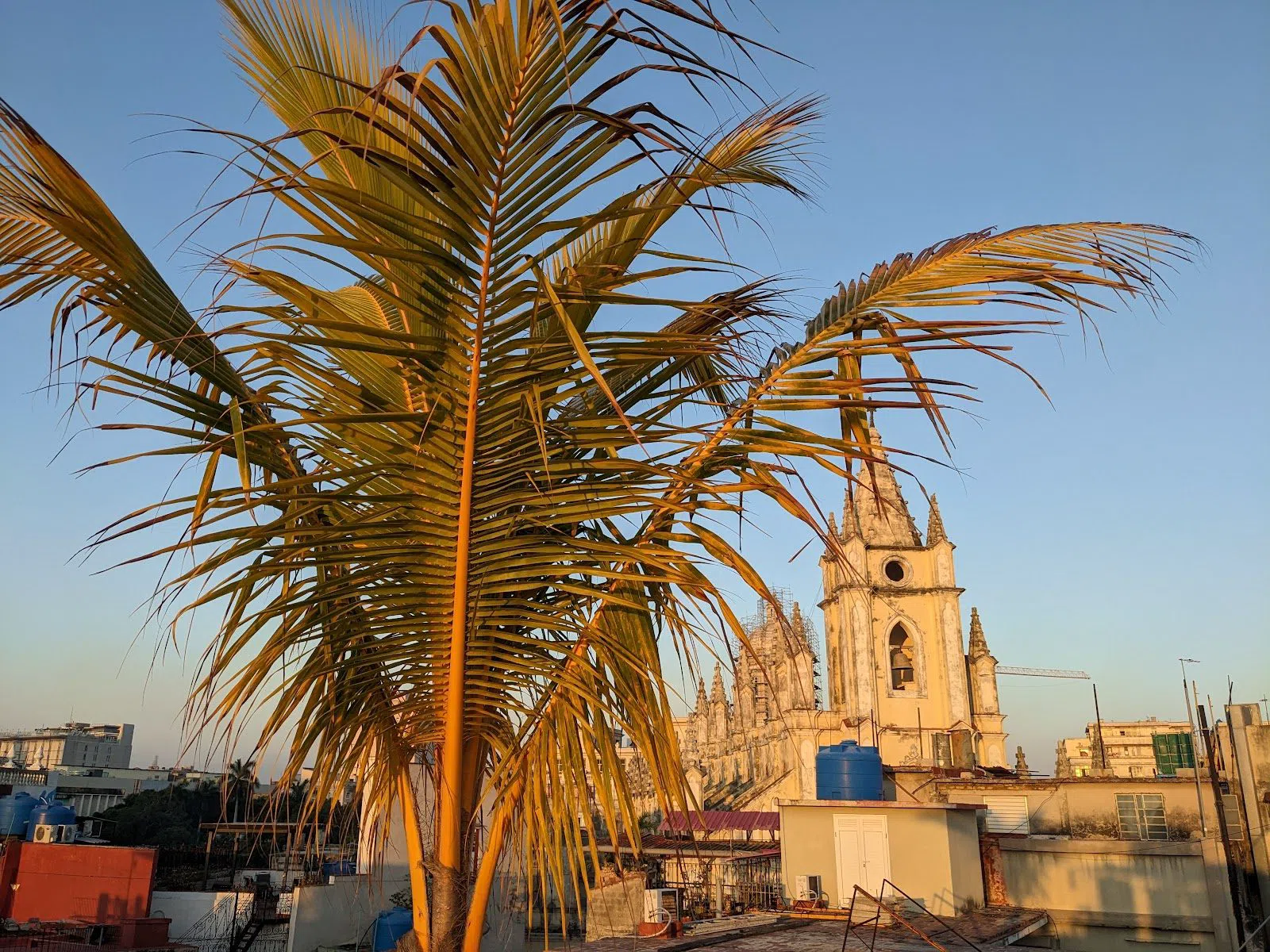
Casa Vitrales (Habana Vieja) is the reference point for what a good casa particular now means: nine rooms in a private home, a licensed host, your passport registered at check-in, and somebody on site who actually knows the rhythm of the outages. Rooms run about US$70 to US$120 a night, cash, and a group can take the whole house.
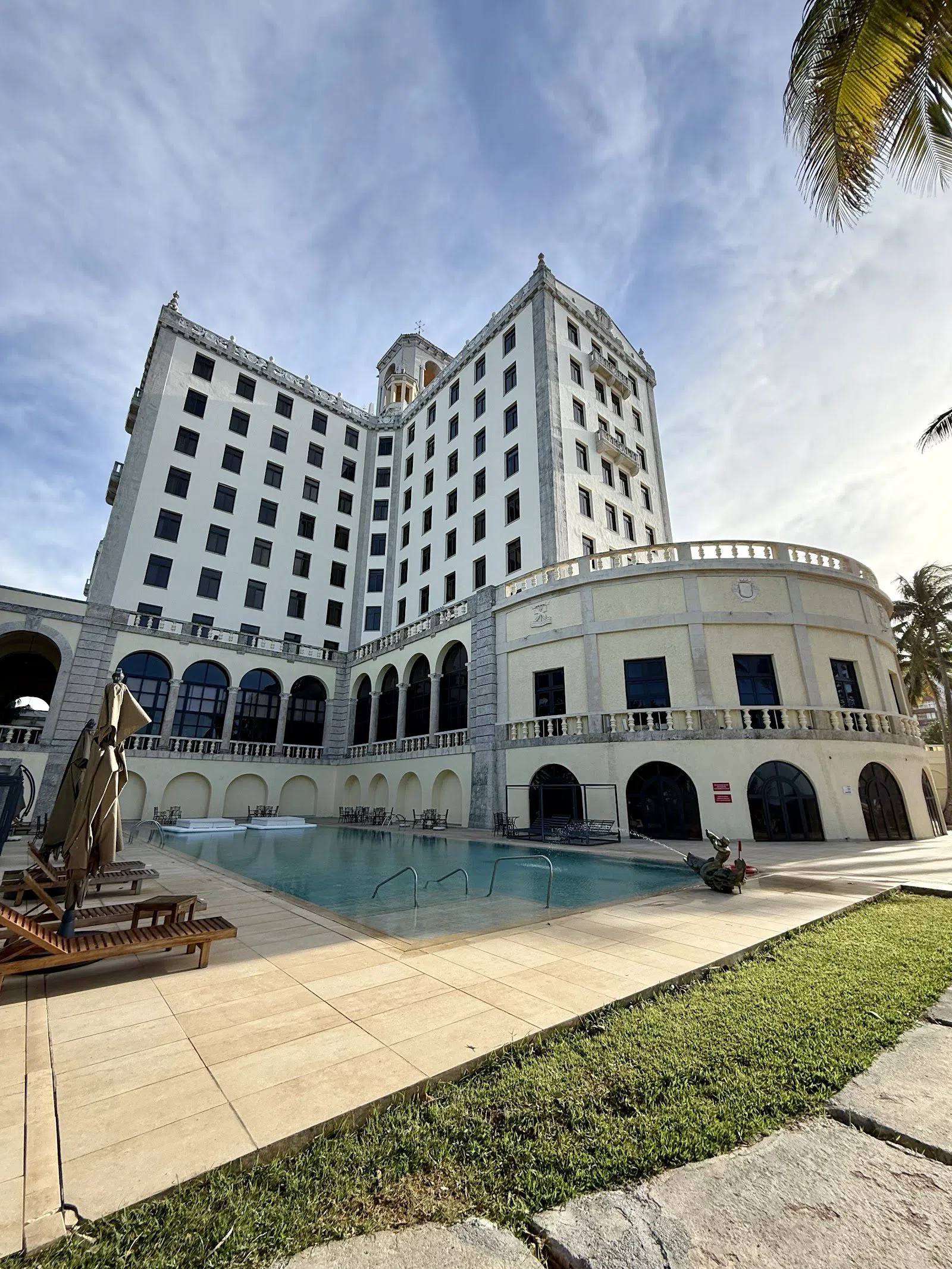
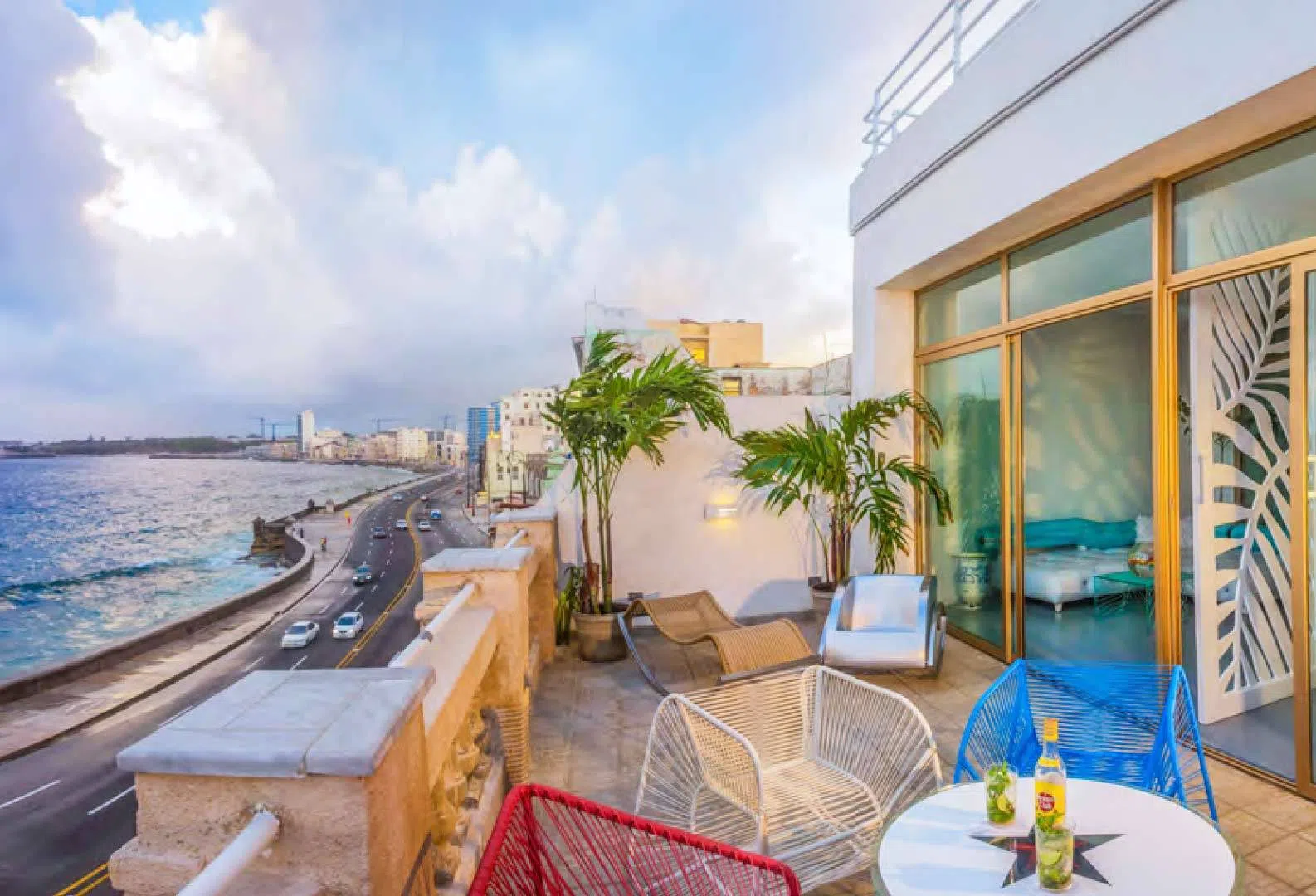
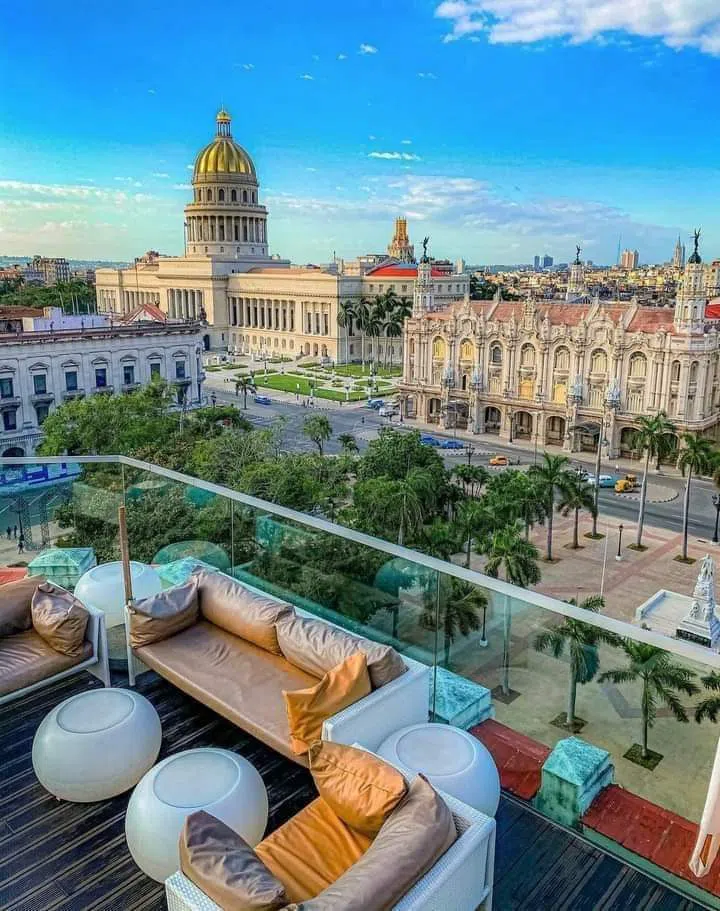
Malecón 663 (Centro Habana, on the seafront) is a small boutique hotel with rooms around US$150 to US$250 and the best rooftop in this stretch of the city. Hotel Nacional de Cuba (Vedado) is the opposite proposition: 426 rooms, full conference and banqueting floors, rooms US$150 to US$300, and the most group-capable address in the city. It is also a national monument with enough generator capacity to stay lit through a grid failure, which is a genuinely useful thing to know.
Gran Hotel Manzana Kempinski La Habana (Old Havana, facing Parque Central) is the top-end benchmark at US$400 to US$700 a room, and the most reliable card-payment environment in the old city. Two caveats. Its rooftop admits non-residents for a fee, which caps casual group access. And it is owned by the state group Gaviota, which places it on the US restricted list, so American travellers should check their own rules before booking. Compare rates across districts on the Havana hotel search before you commit.
A first evening read of the skyline
Do not plan the first night. Walk to the water instead.
The rooftop at Malecón 663 takes walk-in groups, has live music nightly from 5pm to 11pm, and pours drinks at US$5 to US$10; the terrace can also be booked out entirely, so a large party should ask first. From up there you can see the whole seafront and read which blocks still have lights on, which tells you more about the week ahead than any forecast will.
The garden terrace at the Hotel Nacional de Cuba (Vedado) seats large parties without a booking and charges US$6 to US$8 for a mojito under the palms above the sea wall. On a night the neighbourhood goes dark, it stays lit.
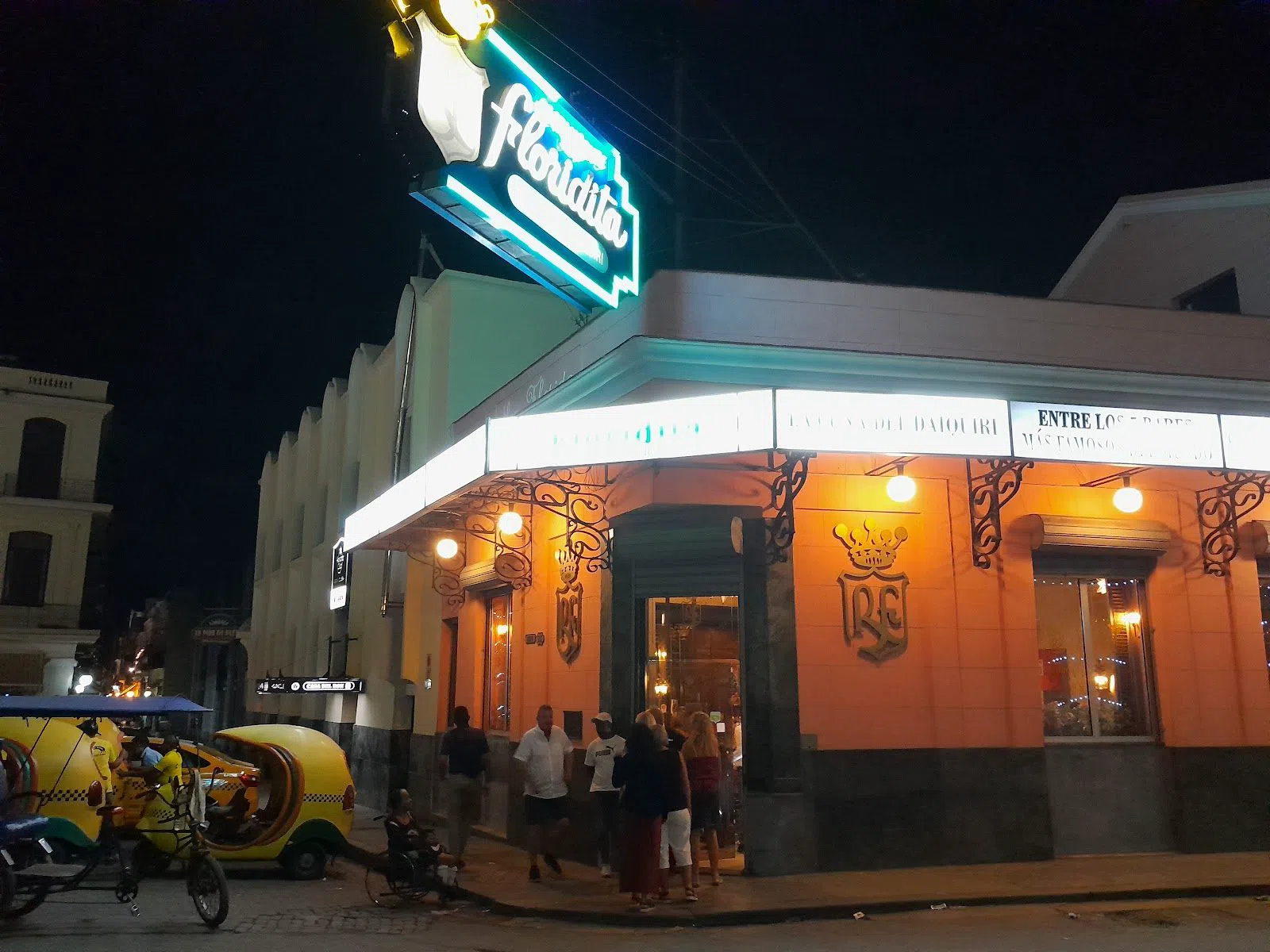
El Floridita (Habana Vieja, at the top of Obispo) has been pouring since 1817 and is the cradle of the frozen daiquiri, at US$7 to US$9 a glass. It is state-run, high-volume and takes groups without ceremony; most evenings it is standing room at the bar. Go, have one, know exactly what it is, and do not build an evening around it.
Eating whatever arrived that morning
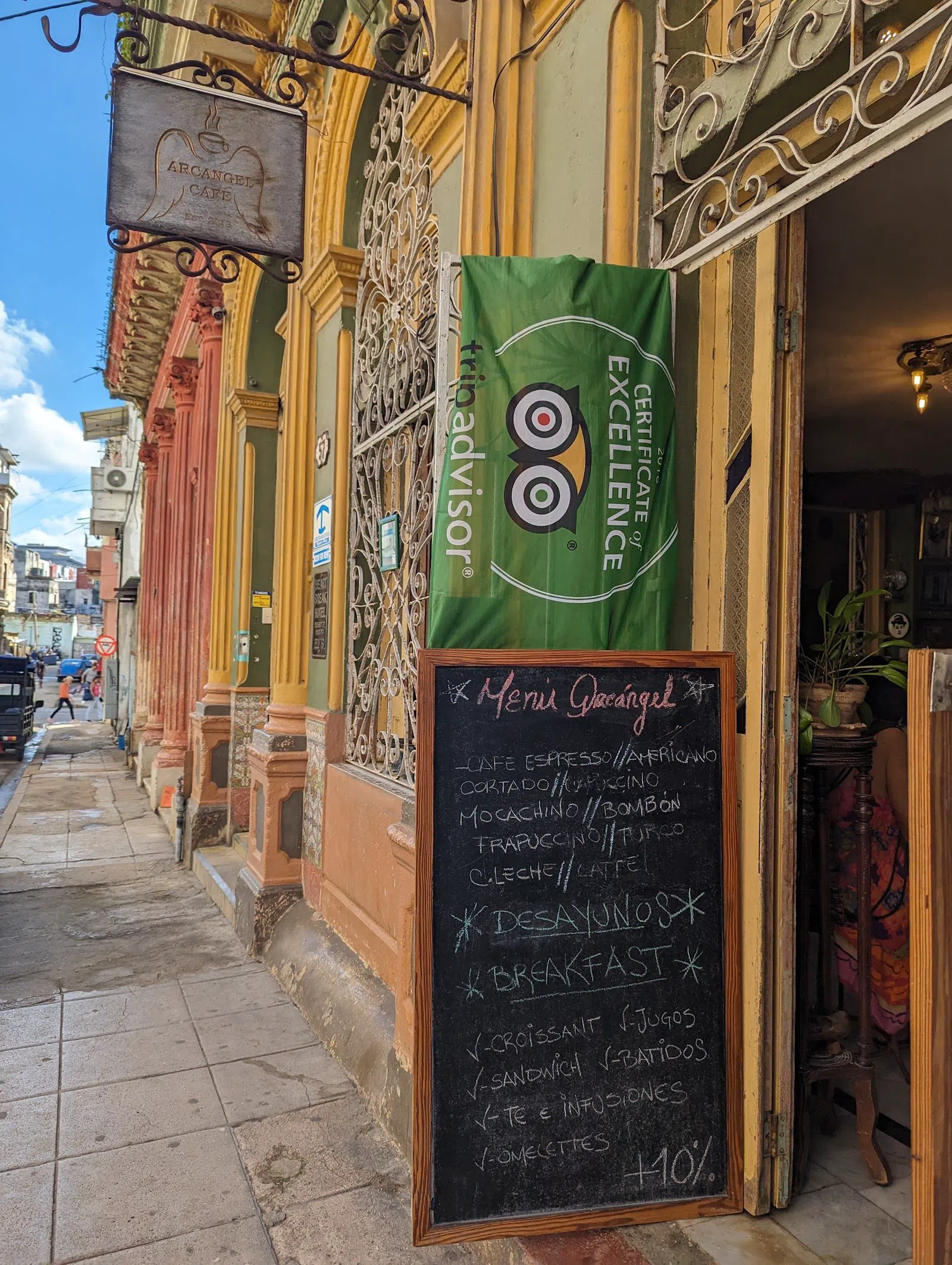
Café Arcángel (Centro Habana) opens at 8.15am, closes at 6pm and shuts on Sundays. Coffee and pastries come in pesos and the bill lands around US$5 to US$10. It is very small, fine for two to four and hopeless for a group, and takes no reservations. As a jet-lagged first morning it resets you, and it is a fair sample of what a private café can still put on a plate under current supply.
La Guarida (Centro Habana) is twenty-five years on and still the paladar every other one is measured against, at roughly US$40 to US$70 a head. Book weeks ahead; the internet is intermittent, so a group booking may take days to be answered. Carry cash, and expect the menu to bend to whatever actually arrived that morning, as every good kitchen in the city does.
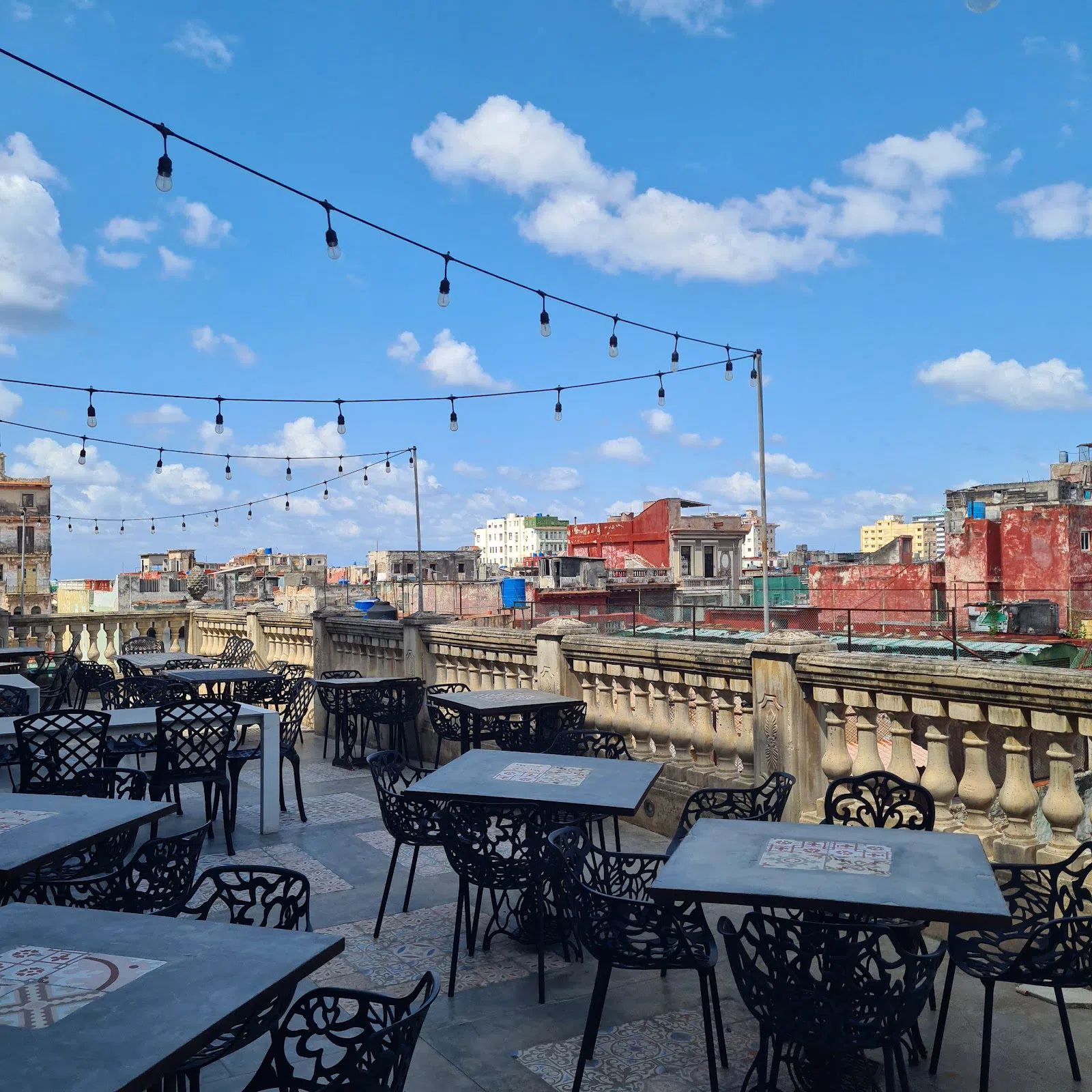
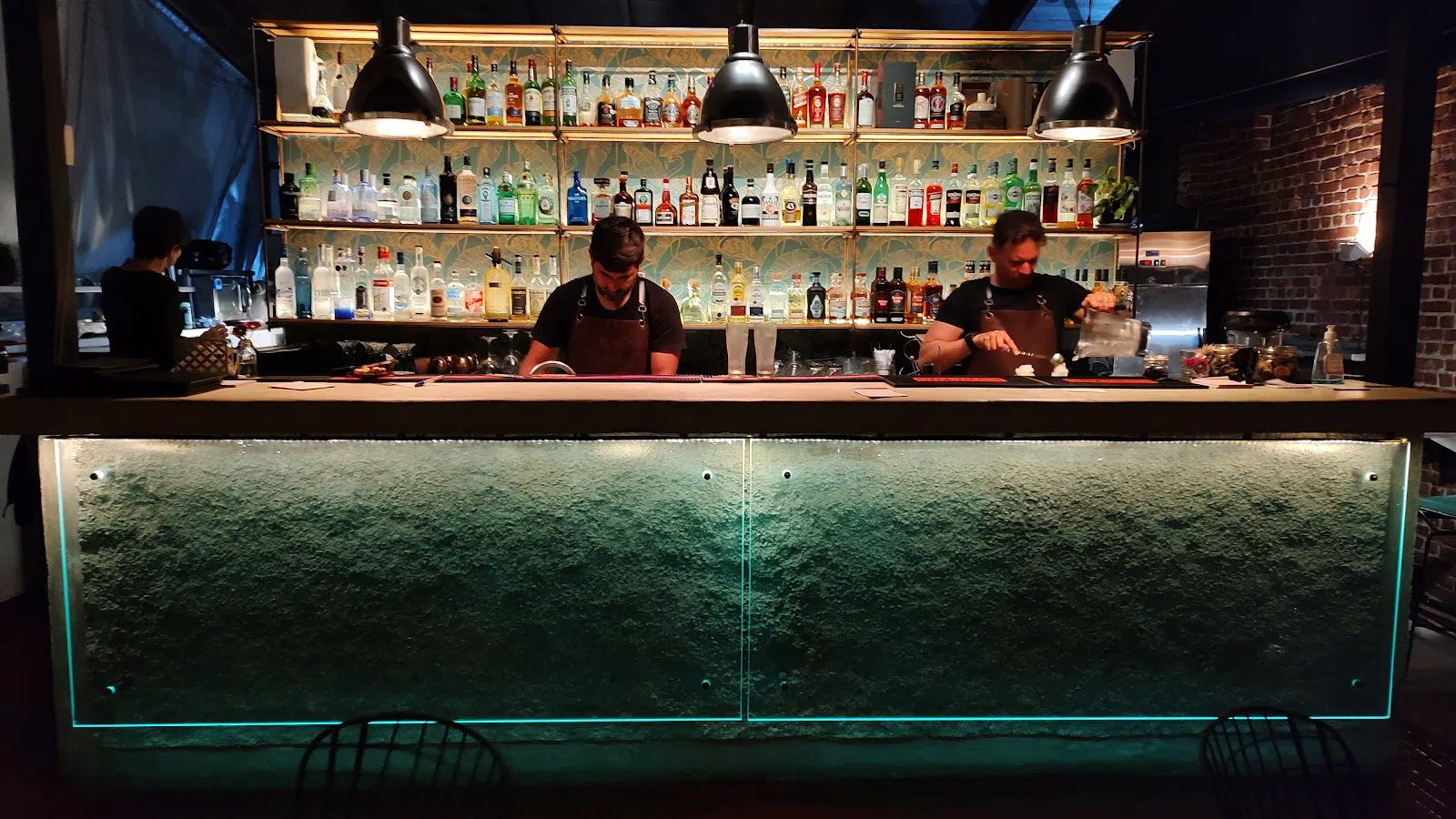
El Cocinero (Vedado) does industrial-chic properly, at US$20 to US$35 a head, and the roof is comfortable with groups; reserve for anything over six. With the neighbouring Fábrica de Arte closed since June 2026, this old chimney is now the reason to come to the corner at all.
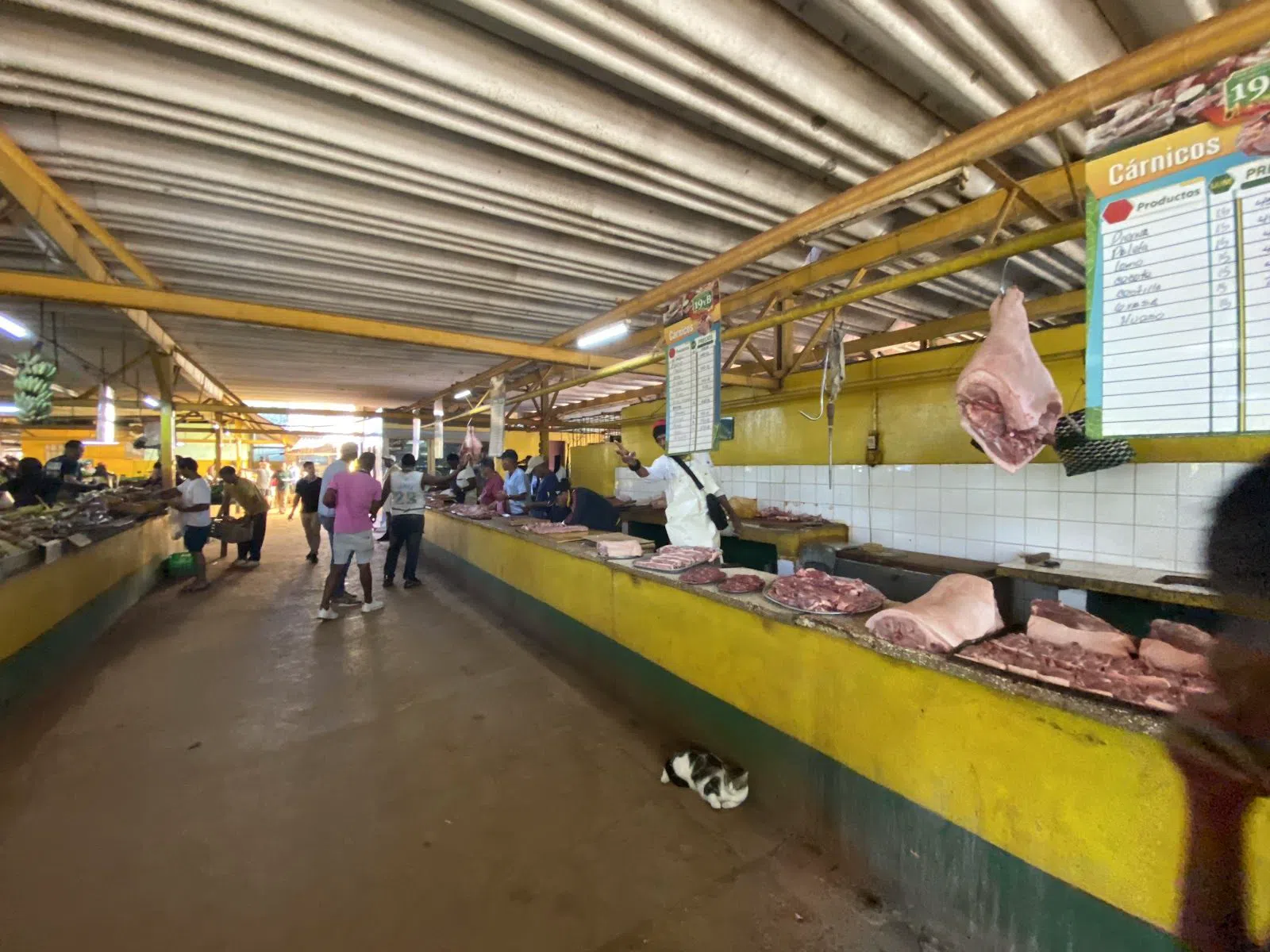
For an hour that will teach you more than any restaurant, walk into Mercado Agropecuario 19 y B (Vedado) early in the morning. It is one of the best-stocked agromercados in the city and the fastest honest read on what the peso actually buys: produce ran to several hundred pesos a pound through 2026. Cuban pesos only, small notes, because nobody at the stalls can break a big one. Go early and keep your bag in front of you in the crush.
Moving around when the diesel runs short
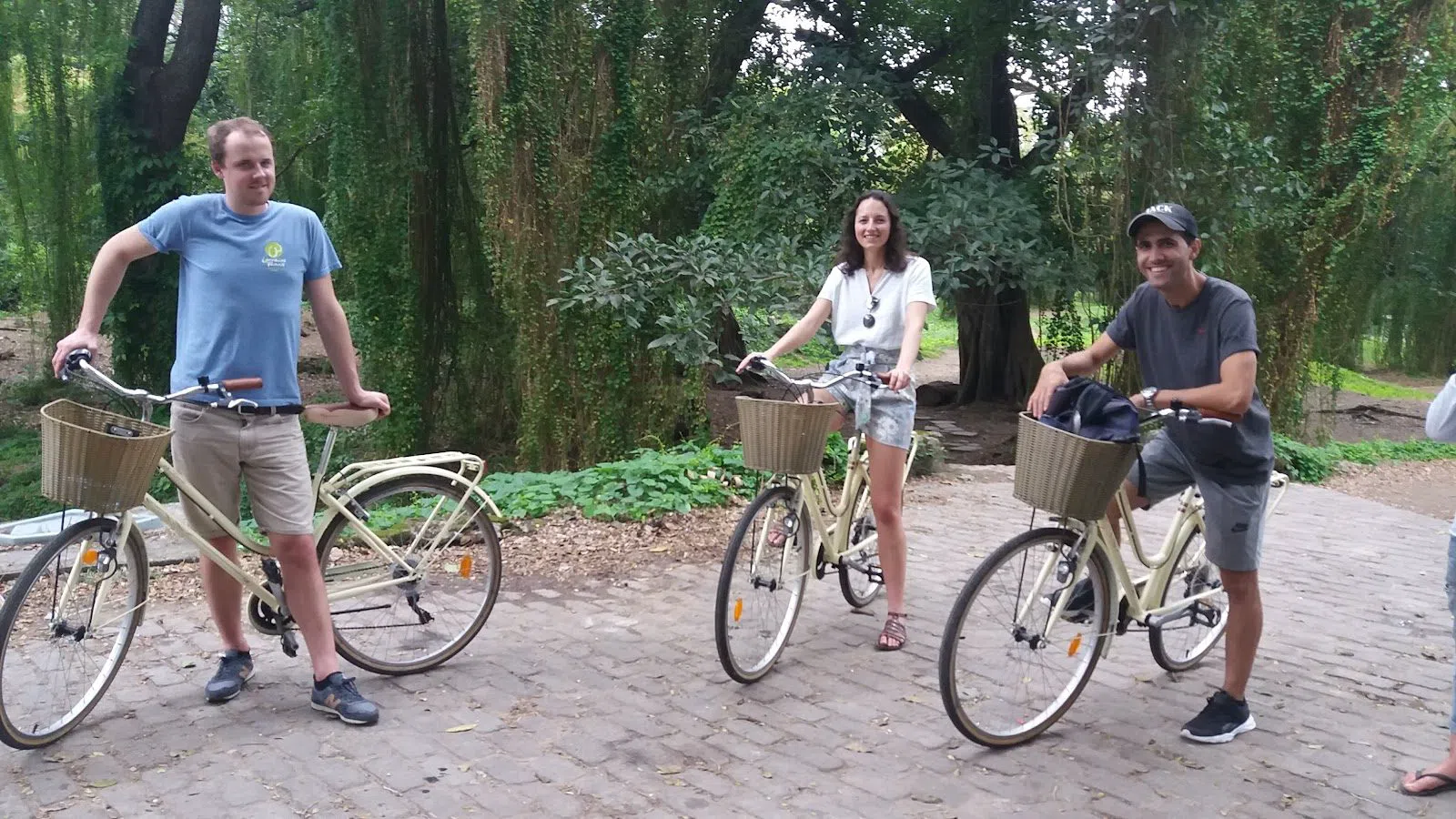
Taxis and buses in Havana follow the fuel, and the fuel is not always there. The most reliable way to move is under your own power. Bike Rental & Tours Havana is Cuban-owned, ten years in, and rents bikes at US$15 to US$25 a day, with guided group departures at 8.30am and noon daily and guided city tours at US$35 to US$50 a head. Book by WhatsApp, which is why you bought the SIM.
If you would rather have the city explained before you attempt it, Locally Sourced Cuba Tours has been running for over fifteen years, is Cuban-owned, and builds private and tailor-made itineraries as well as fixed departures. Half-day Havana tours run about US$60 to US$100 per person, multi-day trips are priced on request, and the outfit is genuinely built for groups. Spending a first morning with someone who lives with the blackouts is the sanest possible use of it.
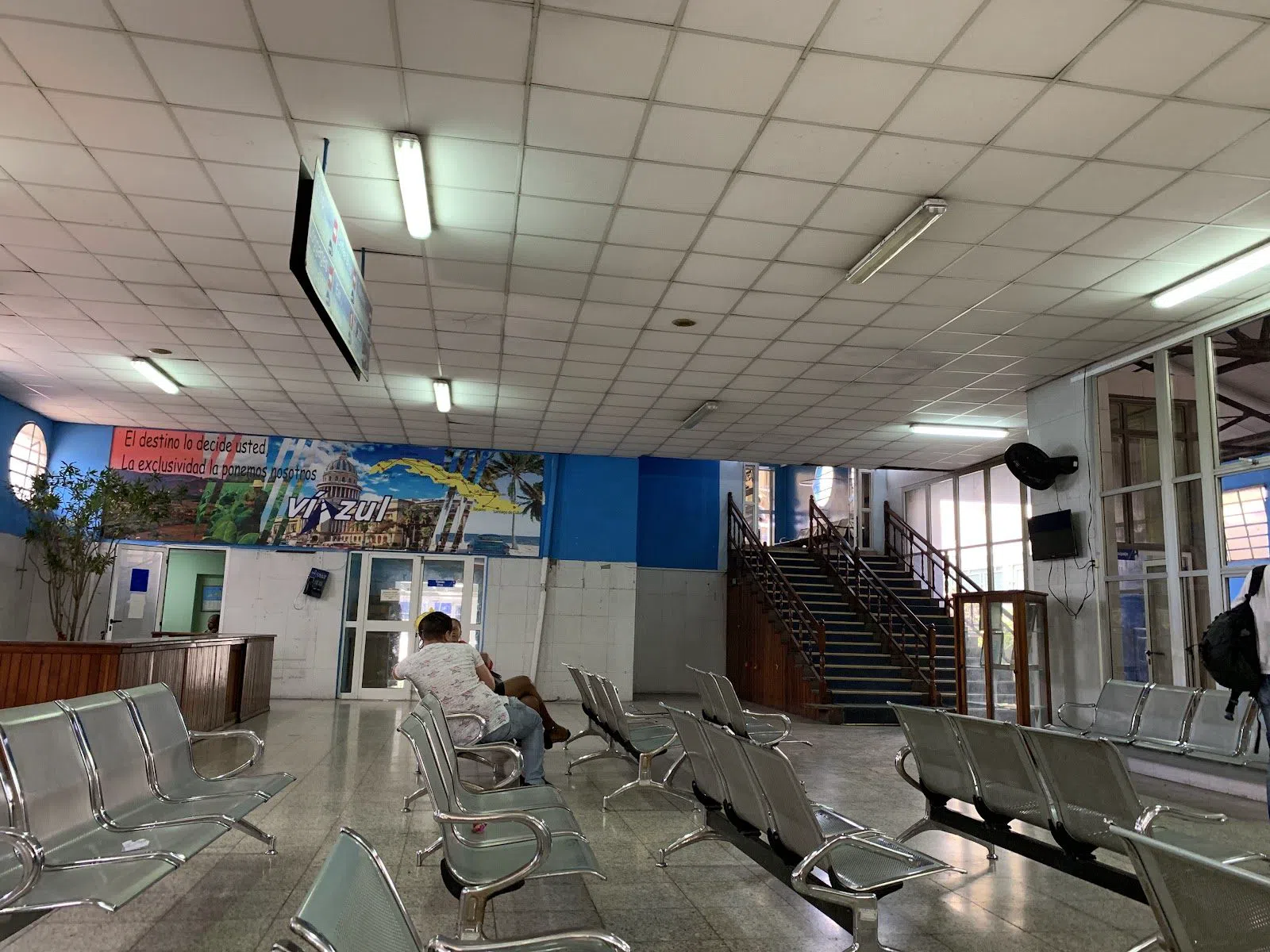
One thing you cannot solve with the notes in your pocket: Víazul, the intercity coach operator, is card-only. No cash, in any currency, anywhere in the system. The 2026 timetable is published and the network is stable, and fares run US$15 to US$40 a leg depending on distance, but seats are sold to demand and groups on one booking still compete with everyone else. Book online before you fly, and collect the physical tickets an hour before departure.
Cash, timing and what it costs
Bring every dollar or euro you expect to spend, in cash, in small notes, plus a reserve. Change a little at CADECA on arrival for the taxi and the first day, and keep the rest in hard currency for the casas, paladares and drivers who quote in it. Keep a separate roll of small peso notes for the market and the café.
Arrive in daylight if the schedule allows. A daytime landing means the exchange window and the SIM counter are both staffed, the ride into town costs the desk price, and you get the Malecón at dusk on your first evening rather than a dark drive and an early night.
A workable daily budget looks like this. On the casa end, US$70 to US$120 for the room, US$5 to US$10 for breakfast, US$20 to US$35 for a good dinner, and US$15 to US$25 for a bike, lands you comfortably under US$180 a day for two. On the hotel end, a room at US$150 to US$300, dinner at La Guarida, drinks on a terrace and a car by the hour will double it without effort. Add US$14 to US$35 once for the SIM, US$25 to US$40 each way for the airport, and a padding allowance for the day the power is off and you decide to eat somewhere with a generator.
Carry a torch, a power bank and a paper note of the addresses and phone numbers you will need, because the phone is not always the thing that works. For where to go once the first day is behind you, the Havana guide picks up from here.
Before you go
How much cash should I bring to Havana, and can I use a card?
Bring the full trip budget in cash, in small US dollar or euro notes, plus a reserve. Casas, paladares and private drivers quote and take hard currency directly, and there is no reliable card or cash-machine fallback. The exception is Víazul, the intercity coach operator, which is card-only and takes no cash in any currency, so book those seats online before you fly.
Should I change all my money at the airport exchange?
No. CADECA in the Terminal 3 arrivals hall charges no commission but uses the official floating rate, roughly 410 to 420 CUP per US$1 through 2026, well below the informal street rate of around 680 to 690 CUP in early September 2026. Change only what you need for the taxi and the first day, keep the rest as hard cash, and count the notes at the window.
What does a taxi from José Martí airport into central Havana cost?
Buy the voucher at the official desk inside Terminal 3: US$25 to 35 to Vedado or Habana Vieja. On the kerb, late-night quotes drift to US$40 to 50. If you land after dark or with luggage, pre-book NostalgiCar by WhatsApp instead, about US$30 to 40 per car, with a named driver waiting for you.
Can I use an eSIM in Cuba, or do I need a physical SIM?
Cuba's network does not issue its own eSIM, so a physical Cubacel SIM from the ETECSA counter at Terminal 3 is the only reliable data. Tur Básico is about US$14 for 4 GB over seven days; Tur Plus about US$35 for 10 GB over thirty days with WhatsApp. Pre-order online and collect, because stock and staffing at the counter are erratic.
How do I plan around the power cuts?
Choose your bed for the host as much as the room. A licensed casa such as Casa Vitrales has someone on site who knows when water and power return to that block. The Hotel Nacional de Cuba has generator capacity to stay lit through a grid failure, useful even if you are sleeping elsewhere. Carry a torch, a power bank and addresses written on paper.