Havana tells you where its music is before it tells you where the door is. A bass line comes through a shutter on Calle 23, a piano works away two floors above an unlit stairwell, a trumpeter repeats the same eight bars in a room you cannot see from the street. The city plays live every night of the week, in basements and hotel ballrooms and open-air dance halls, and the difference between a good night and a wasted one is rarely the standard of the players. It is knowing which rooms start at nine and which have not warmed up by midnight.
Almost everything below sits in two districts. Vedado, the 1950s grid running down to the Malecón, holds the jazz rooms and the late bars, and you can walk between four of them inside fifteen minutes. Old Havana holds the historic bars, the tribute bands and the best-sounding concert hall in the country. Two of the biggest rooms are out in Marianao, which means a taxi each way and a decision made in advance about how you are getting back. Times drift everywhere, because the electricity situation moves programmes at short notice, so the local habit is to telephone in the afternoon rather than trust anything printed. For the daylight half of the trip, start with the Havana guide.
Jazz that starts when the rest of the city is finishing dinner
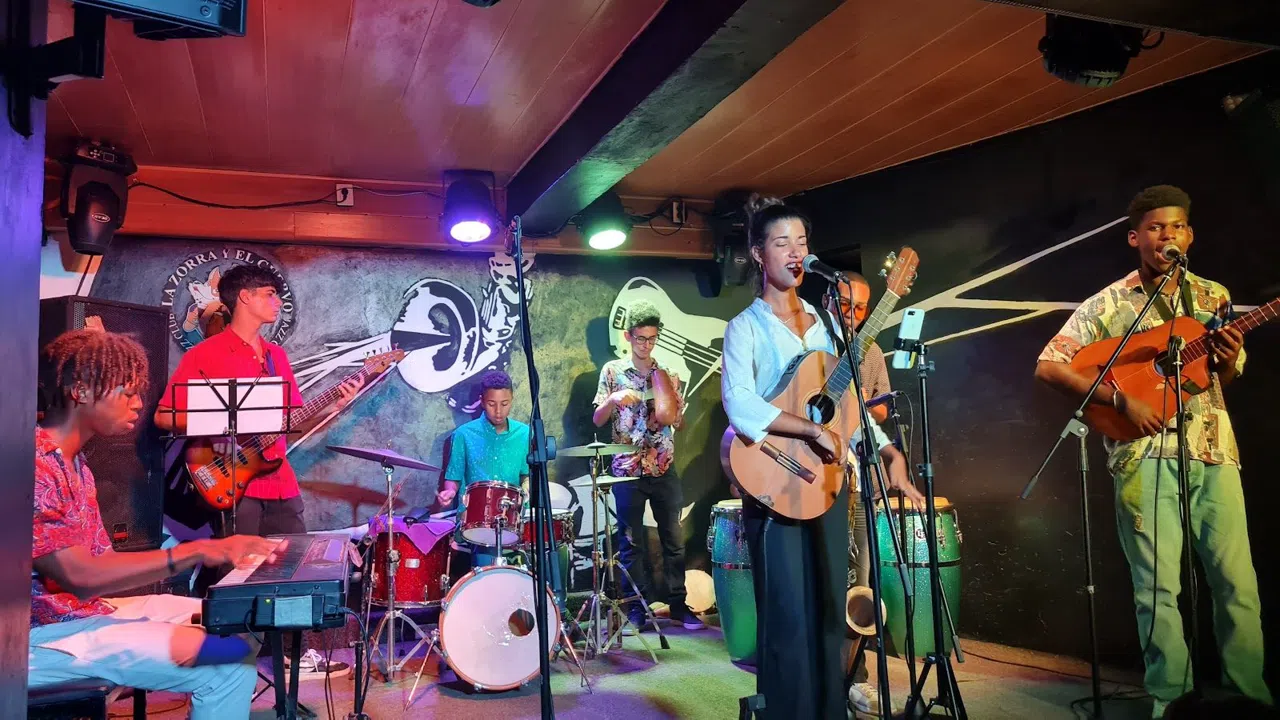
La Zorra y el Cuervo (Vedado) is the one to build a first night around. You go in through a red telephone box on Calle 23 and drop into a low cellar with room for about sixty people; the serious players of the city rotate through it, and the first set tends to begin around 22:00 rather than at the advertised hour. It takes walk-ins only: no list, no reservation, no way to hold a table. The queue starts forming from about 21:30. A pair or a four will get in. Six is awkward and ten is unrealistic unless you send one person ahead to stand in the line while the others eat. Entry runs around USD 10 and normally includes two drinks, which makes it the best value on this page.
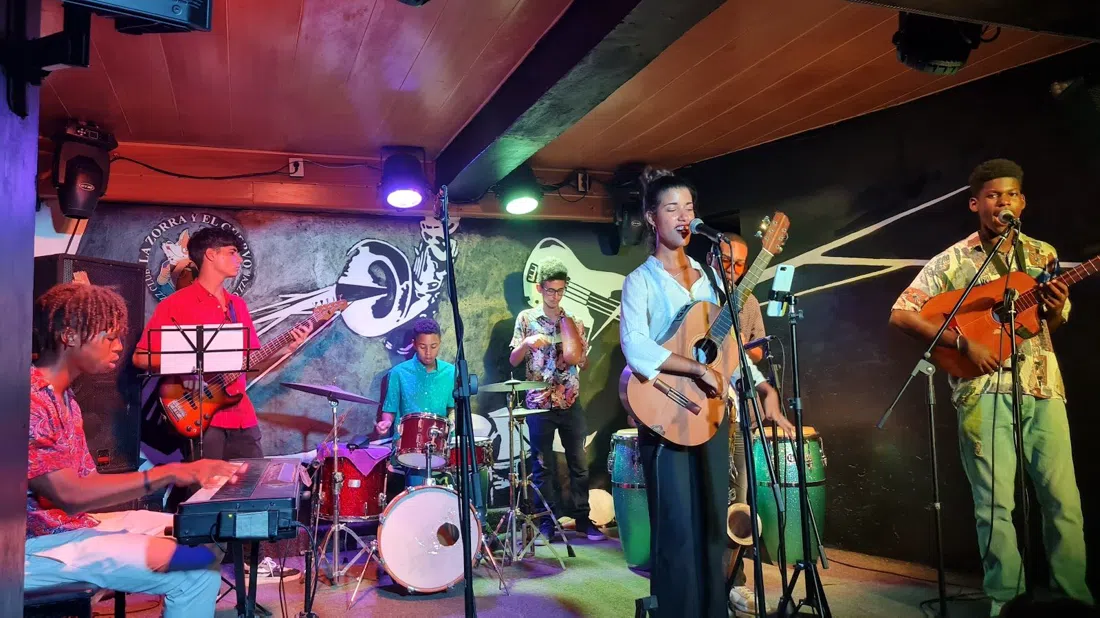
Jazz Café (Vedado) solves the problem La Zorra creates. It is a table-service supper club rather than a cellar, it takes reservations, and it will seat eight or ten together without difficulty, which makes it the obvious choice if your group includes a grandparent, a fussy eater, or anyone who will not stand in a queue. It opens Thursday to Sunday, the bar fills from about 21:00, and the one late set lands around 23:00. The calibre is high: Roberto Fonseca, César López and Michel Herrera all pass through. Come for the music and eat somewhere else first, because the kitchen is not the reason to be there.
Café Miramar (Miramar) is the opposite proposition: a genuinely small neighbourhood room where conservatory students sit in alongside established names, and where the evening ends when the place is full. It opens around 21:00, an hour earlier on Sundays, and there is no mechanism for holding space. Four to six is the sensible ceiling; arrive at opening or do not bother. Drinks are cheap and the cover is low.
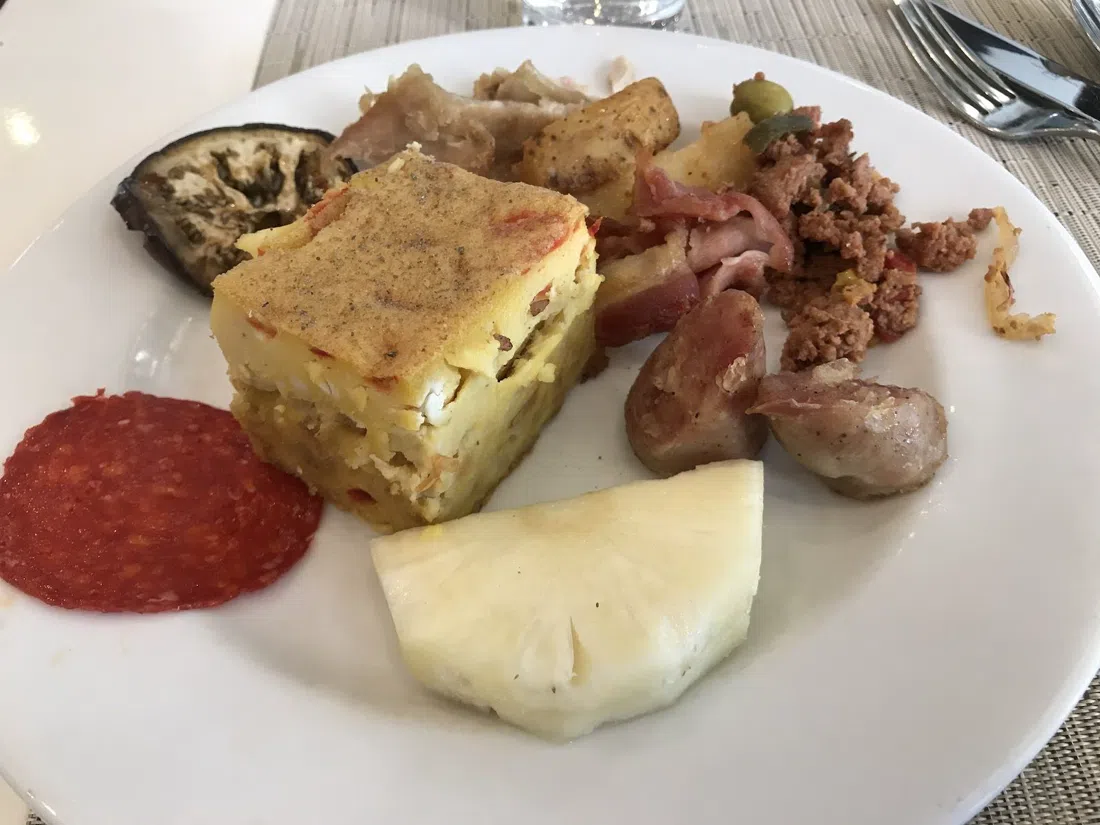
Café Teatro Bertolt Brecht (Vedado) runs the best Wednesday in the city. Roberto Carcassés brings Interactivo, his jazz-funk collective with its rotating cast, down into the basement from about 23:30, and the crowd is almost entirely young Cubans rather than visitors. It costs around USD 5, it is unreserved, and a group will get in, but expect a queue and accept that you will not be sitting together, if you sit at all.
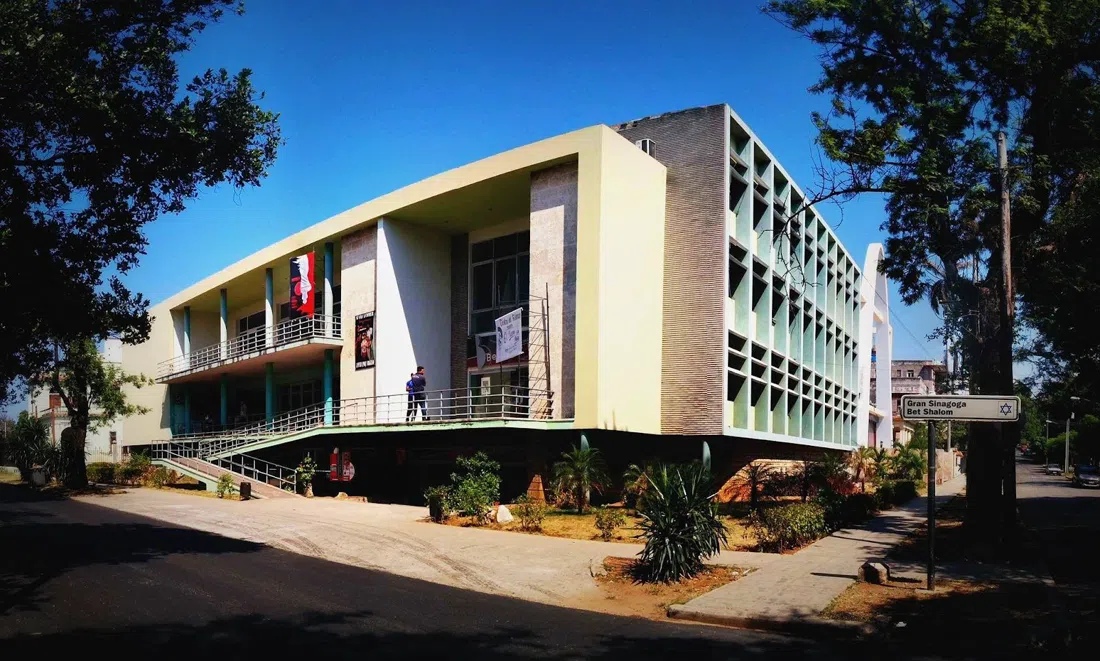
Where Havana goes to dance
Casa de la Música Miramar (Miramar) is where you go to see a named Cuban band rather than a house trio: the big timba and salsa orchestras, with a horn section and a sound system to match. It is built for numbers. Coach parties arrive nightly, tables can be held, and ten people can dance in a block without annoying anybody. There are two sittings daily, an early one from 17:00 to 21:00 and a late one from 23:00 to 03:00. Entry is USD 10 to 15 with drinks on top. Telephone the same day, because the programme genuinely does move at short notice. The same operation runs a rawer, more local sister room on Galiano in Centro Habana, cheaper and considerably less polished, worth knowing about if the Miramar bill looks thin.

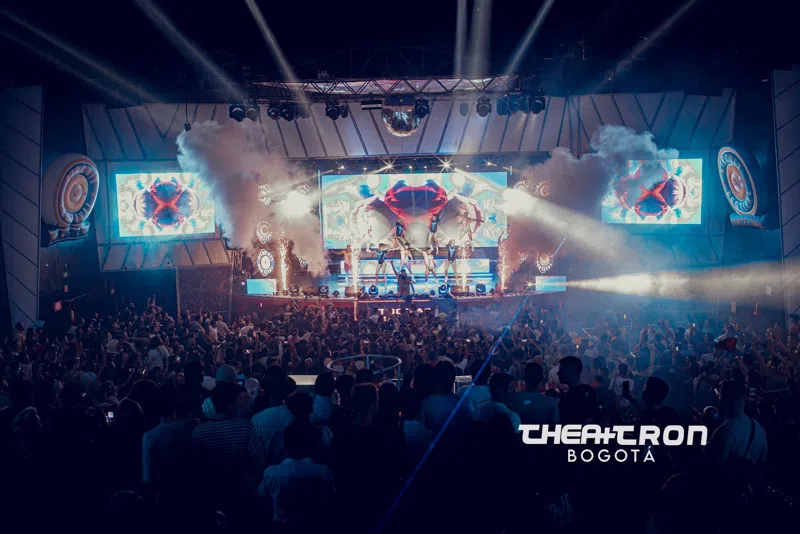
Salón Rosado Benny Moré de La Tropical (Marianao) is not a venue for visitors and does not try to be. It is an enormous open-air dance hall where Havana itself goes to hear timba, mostly on Saturday nights and sporadically the rest of the week, and entry is a few dollars, often priced in pesos. There is no door policy worth the name and no capacity problem. What there is instead is a crowd of several thousand Cubans who all know the words, and a strong argument for going with someone who knows the place rather than walking in cold. Check who is billed before you commit, because the difference between a headline orchestra and a filler act is the entire evening. Take a licensed taxi out and back rather than improvising the return.
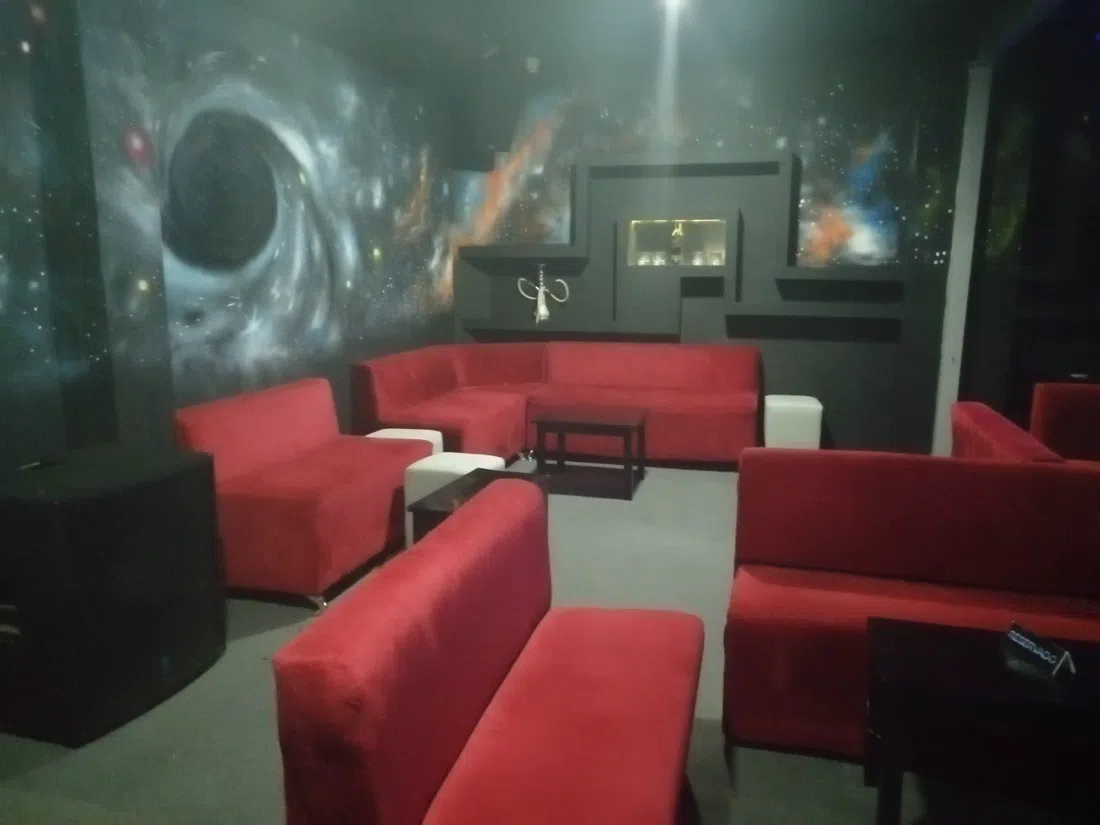
The Buena Vista generation, still playing
Three rooms handle the son and bolero repertoire that most visitors arrive wanting, and they are not interchangeable.
Salón 1930 'Compay Segundo' at the Hotel Nacional de Cuba (Vedado) is the most comfortable of them, and the ballroom itself, up on the bluff above the Malecón, justifies the ticket on its own. The band includes players who came up through the Buena Vista generation, and they perform Tuesday and Saturday only: doors 20:30, music 21:30 to 23:30. Seating is reserved through the hotel's bureau in the lobby, tables are allocated by the size of the booking, and groups are entirely standard. Expect roughly USD 35 to 60 for the show, more with dinner.
Legendarios del Guajirito (Centro Habana) is the full dinner-show version, and its house band is the real credential: original Buena Vista Social Club members alongside Afro-Cuban All Stars players. It is designed around group bookings, with four-course dinner seatings and children under eleven free. From about USD 35 for the show alone, or USD 65 to 90 with the dinner and three drinks. Book a day or more ahead. The show runs 21:30 to 23:15, which is early enough to go on somewhere afterwards, and the argument for putting it before a jazz cellar rather than after one.

Café Taberna (Old Havana) is the soft landing for a first night. A Beny Moré tribute band plays almost without pause from about 21:00 to 23:00 in a dining room on the oldest café site in the city, in use since 1772, and by the second set people are dancing between the tables. Dinner with the band included comes to roughly USD 20 to 35 a head. It takes reservations and regularly seats large tables; book a day ahead, because the good tables go early.
Slow songs, and one bar to treat as a stop
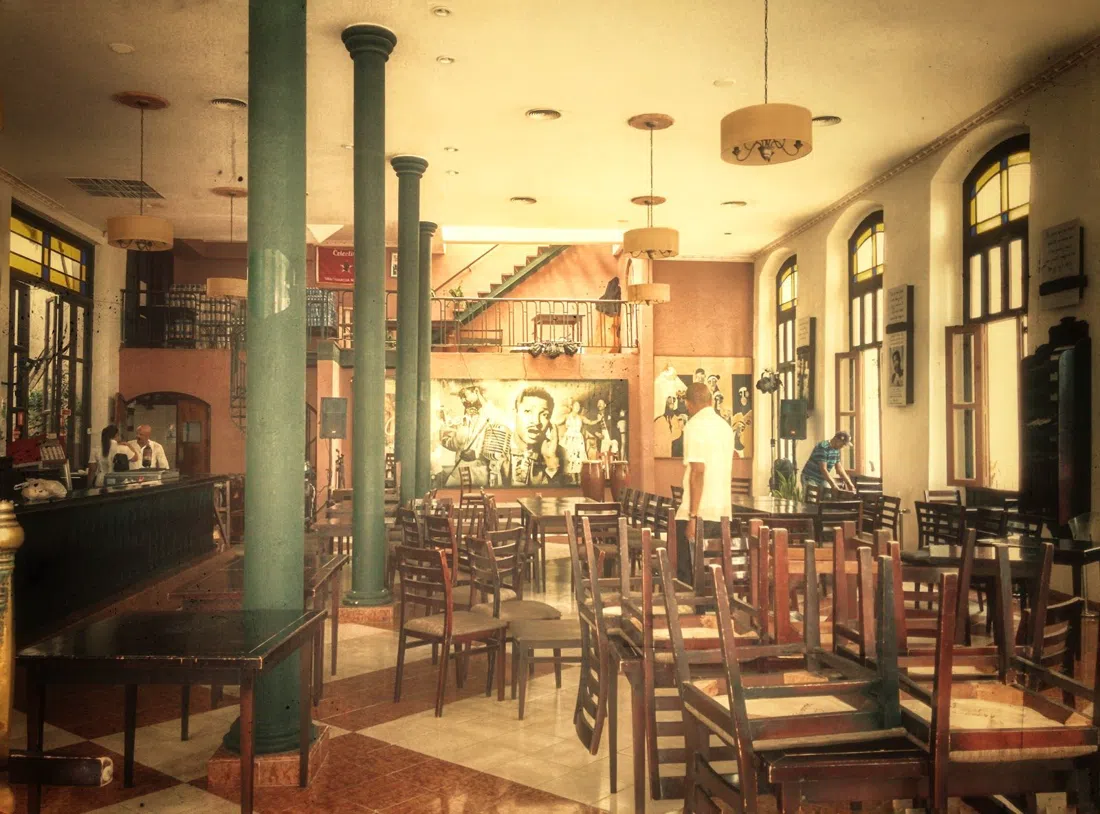
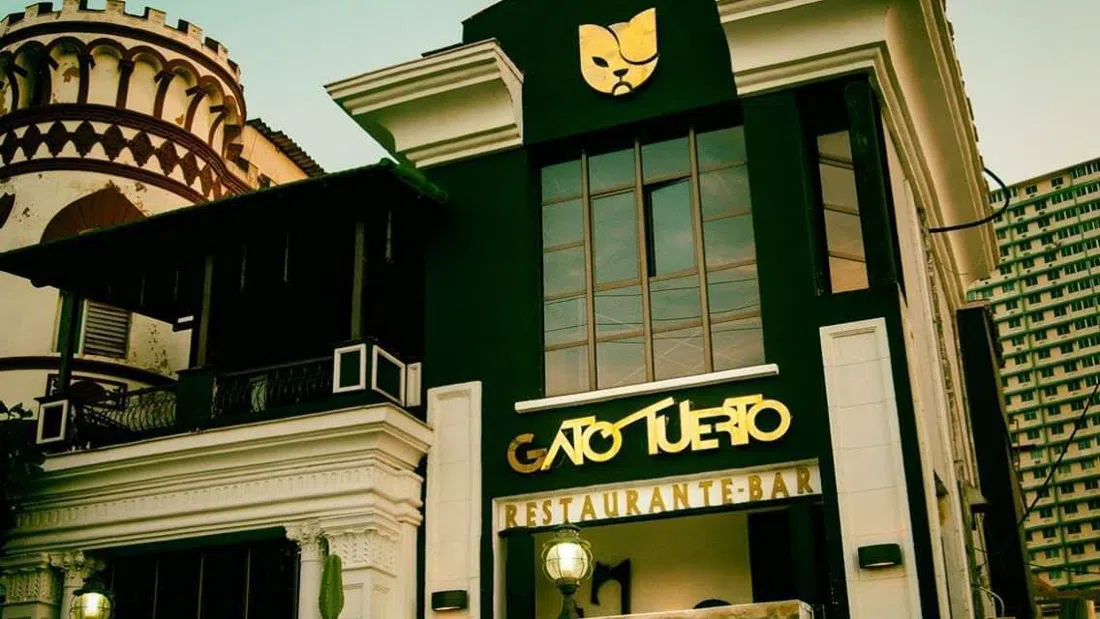
El Gato Tuerto (Vedado) is the surviving home of filin, the slow, lyric-driven Cuban songwriting that sits closer to a torch song than to a dance floor, and of bolero sung properly, at volume, by people who have been doing it for decades. Nobody dances. It opens nightly from 22:00, with billed concerts on Friday and Saturday from 23:30, and entry is about EUR 5 with moderate drink prices. The downstairs bar is small: six or eight is comfortable, and a bigger group should eat in the restaurant upstairs first and come down when a table clears.
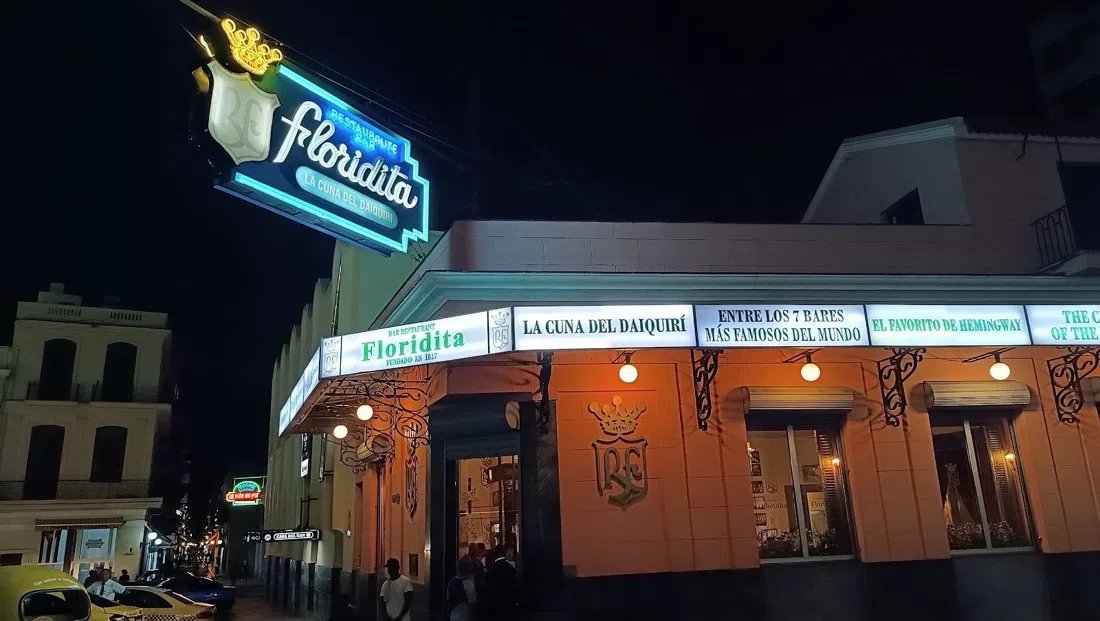
El Floridita (Old Havana) is touristy and entirely aware of it, but the son trio in the corner is real and plays all evening, and the bar sits directly on the walk between Old Havana and Centro. There is no cover and no door policy; there is also very little floor. A large group will be shoulder to shoulder with everybody else's. Daiquiris run USD 7 to 8. Treat it as a twenty-minute stop with a band in earshot, not as the night itself.
The Tropicana does not pretend to be subtle
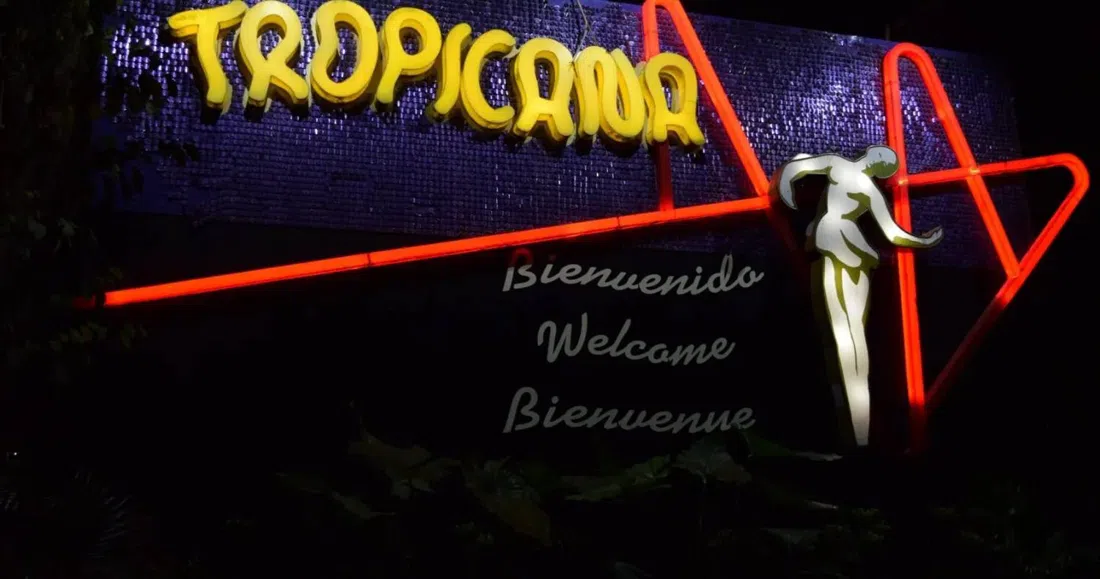
Cabaret Tropicana (Marianao) has run its open-air revue since 1939 and has never moved indoors. The orchestra is live, the staging is enormous, and the whole thing is unapologetically a spectacle rather than a concert. It is also the most group-ready venue in the city: seats are sold by category, coach parties are handled nightly, and anything over four should be reserved ahead. Tickets run USD 85 to 150 per person depending on seat, with dinner packages higher again. Doors open at 20:30 for a 22:00 curtain, it is a long way out in Marianao, and the taxi both ways is a real line in the budget. Go if you want 1950s cabaret in its original form and are content to pay for it; skip it if what you actually want is a band in a small room, because those cost a tenth as much.
Two rooms with nothing to do with son
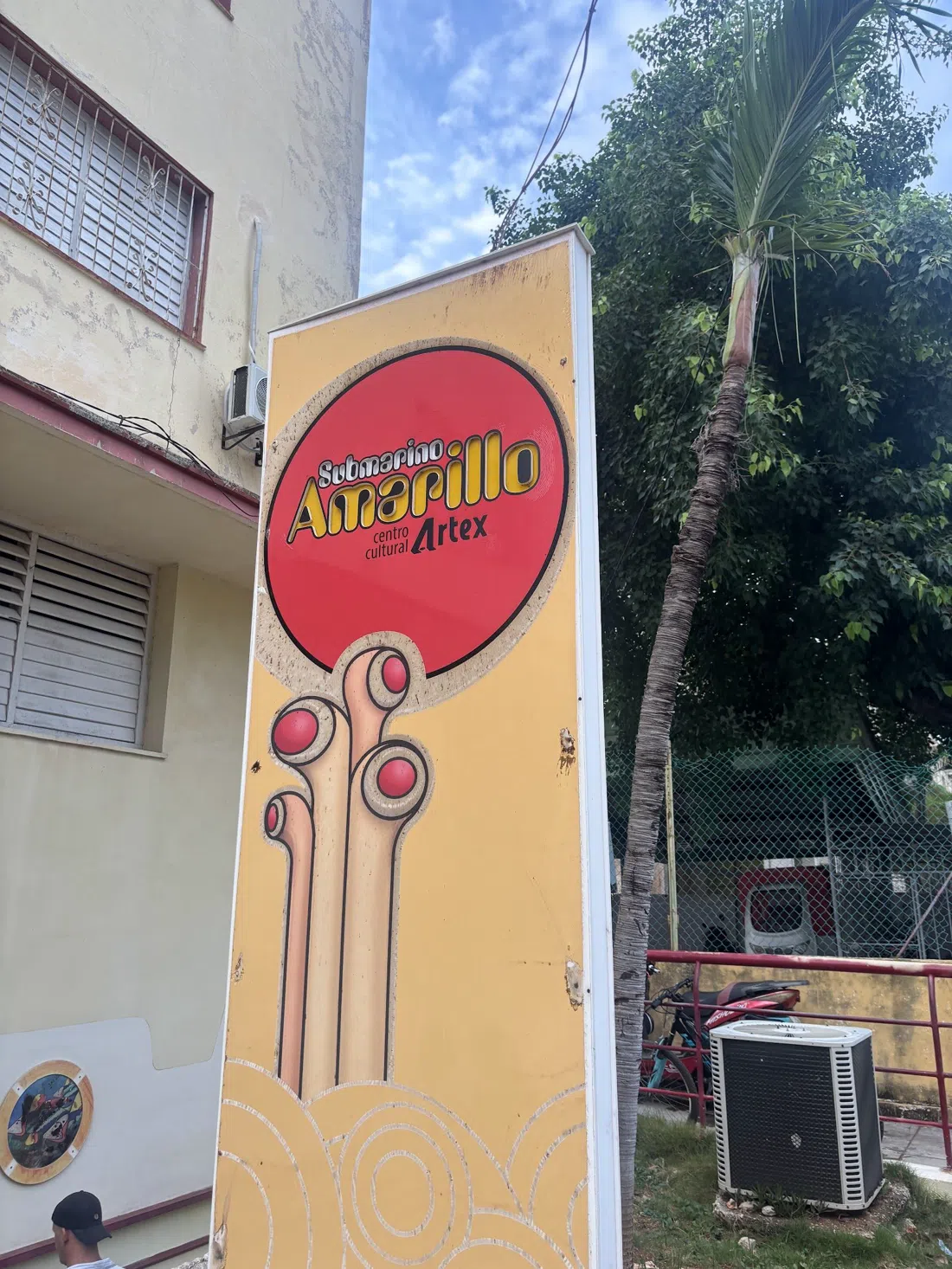
Submarino Amarillo (Vedado) exists as a counterweight to a week of son and salsa. Cuban bands play rock and pop covers to a local crowd, the cover is about USD 5, and it is casual enough that ten people can walk in without trouble if they arrive near the 21:30 reopening. It is also a useful corrective: the music Havana listens to is not only the music it sells.
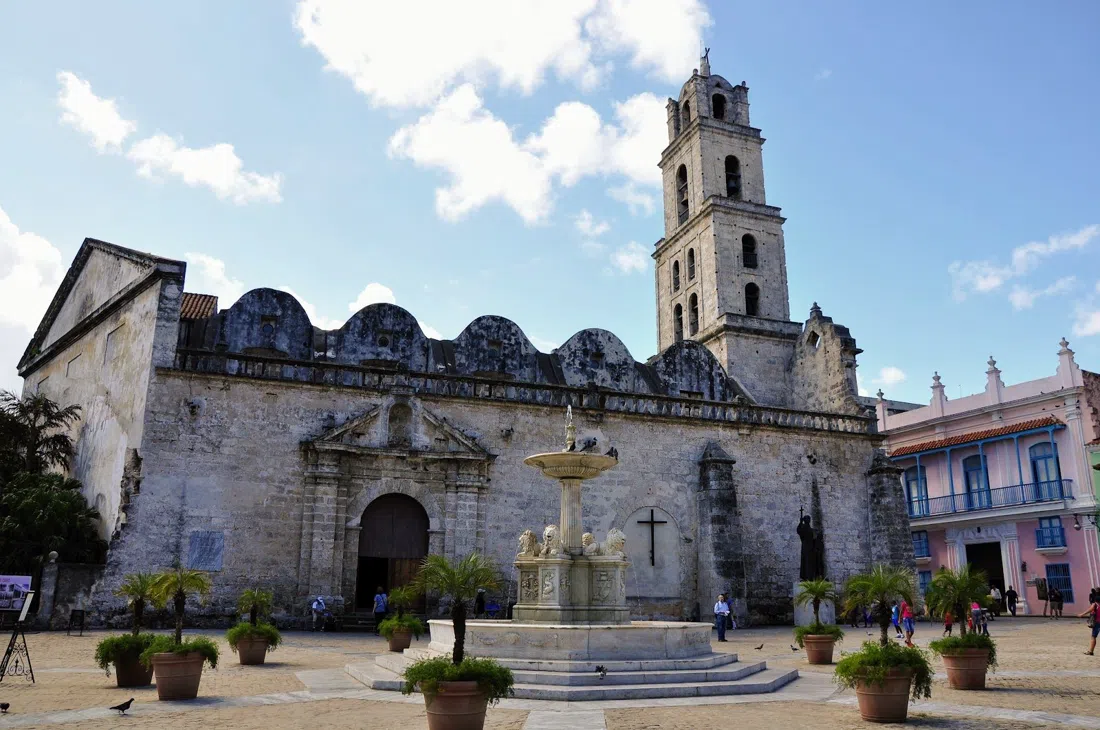
Basílica Menor de San Francisco de Asís (Old Havana) is a deconsecrated church on the plaza of the same name and, by a distance, the best-sounding hall in the city. It is home to the all-female string ensemble Camerata Romeu and runs a regular evening series of classical and choral programmes. Seated ticketing makes it the easiest booking here for a group of any size; the hall holds several hundred. Local programmes start from about 30 Cuban pesos; visitor tickets are a few dollars. In late January it becomes one of the main stages of Jazz Plaza, when the festival fills nearly every room in this article at once.
The Sunday afternoon that frames the week
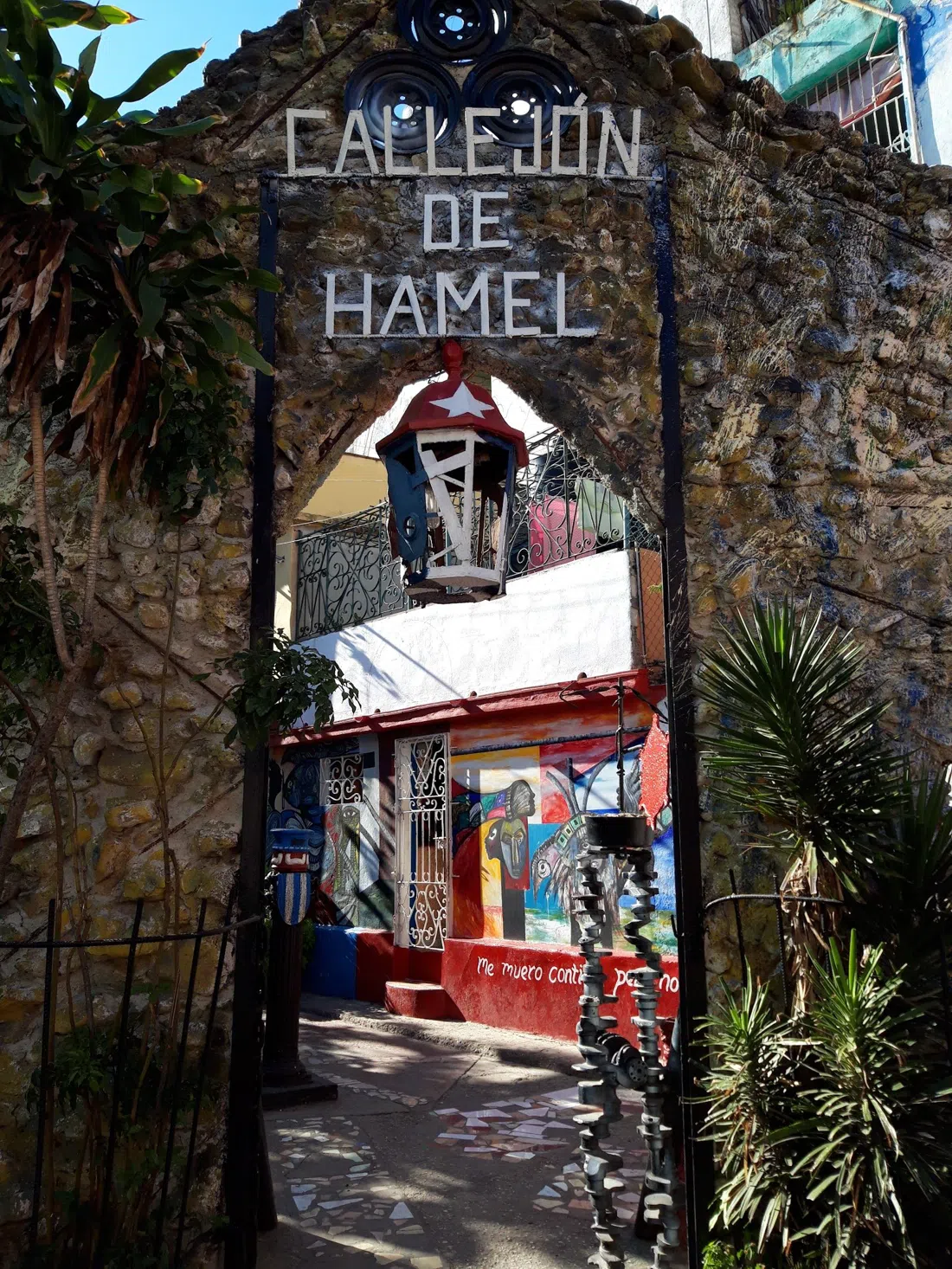
One thing worth planning around does not happen at night at all. Callejón de Hamel (Centro Habana) holds the strongest Afro-Cuban rumba in the city on Sunday, from about midday to mid-afternoon: drummers, dancers and a crowd packed into a painted alley in Cayo Hueso. There is no door and no ticket. You tip the drummers, and that is the entire point, because it is the clearest opportunity in Havana to put money directly into musicians' hands rather than into a venue's till. It is tight and pickpockets work it, so carry what you need in a front pocket. Use it as the daytime bookend to the nights above: a Sunday lunchtime that sets up an early evening in a jazz room, not an alternative to one.
Getting around, paying and planning the night
Transport. Vedado is walkable between venues, and the stretch of Calle 23 with the streets around the Hotel Nacional will hold you for three or four nights without a car. Everything in Marianao needs a taxi each way, with the price agreed before you get in, and it is worth asking the driver to come back at a stated time rather than assuming you will find one at 01:00. Classic-car taxis charge a premium for the photograph; ordinary state and private taxis do not.
Cash. Bring it, in hand, and more than you think. Card acceptance is unreliable and cards issued by banks in the United States do not work at all. Covers, tips and drinks are almost always cash: dollars or euros in the visitor-facing rooms, pesos in the local ones. Carry small notes, because finding change for a large bill at a USD 5 door is nobody's problem but yours.
Timing. Nothing starts when it says it does. A 22:00 set means the band is on stage by 22:30 and playing properly by 23:00. Eat at 20:00, take the first venue at 21:30, and do not stack more than two rooms in a night unless one of them is a twenty-minute stop. Sunday and Monday are the quietest nights; Wednesday, Thursday and Saturday are the strongest.
Budget. A cheap night is entirely real: USD 5 at a basement, USD 10 with two drinks included at a jazz cellar, a few dollars at a dance hall. A mid-range night of a dinner show and one club afterwards lands around USD 80 to 120 a head with taxis. The Tropicana on its own will double that. Staying in Vedado cuts the taxi bill more than any other single decision, and you can compare rooms by district with this Havana hotel search.
Musicians here are paid badly, and the tip is the wage rather than a courtesy. Tip at the rumba, tip the trio in the bar, and buy the disc if one is being sold from a table by the door.