The Havana issue
Planning Havana Around the Blackouts and Empty Streets
Havana has thinned out, the grid is unreliable and the buses barely run. Here is how to build a week around the buildings and kitchens that still work.
By Oliver NashReading Havana barrio by barrio
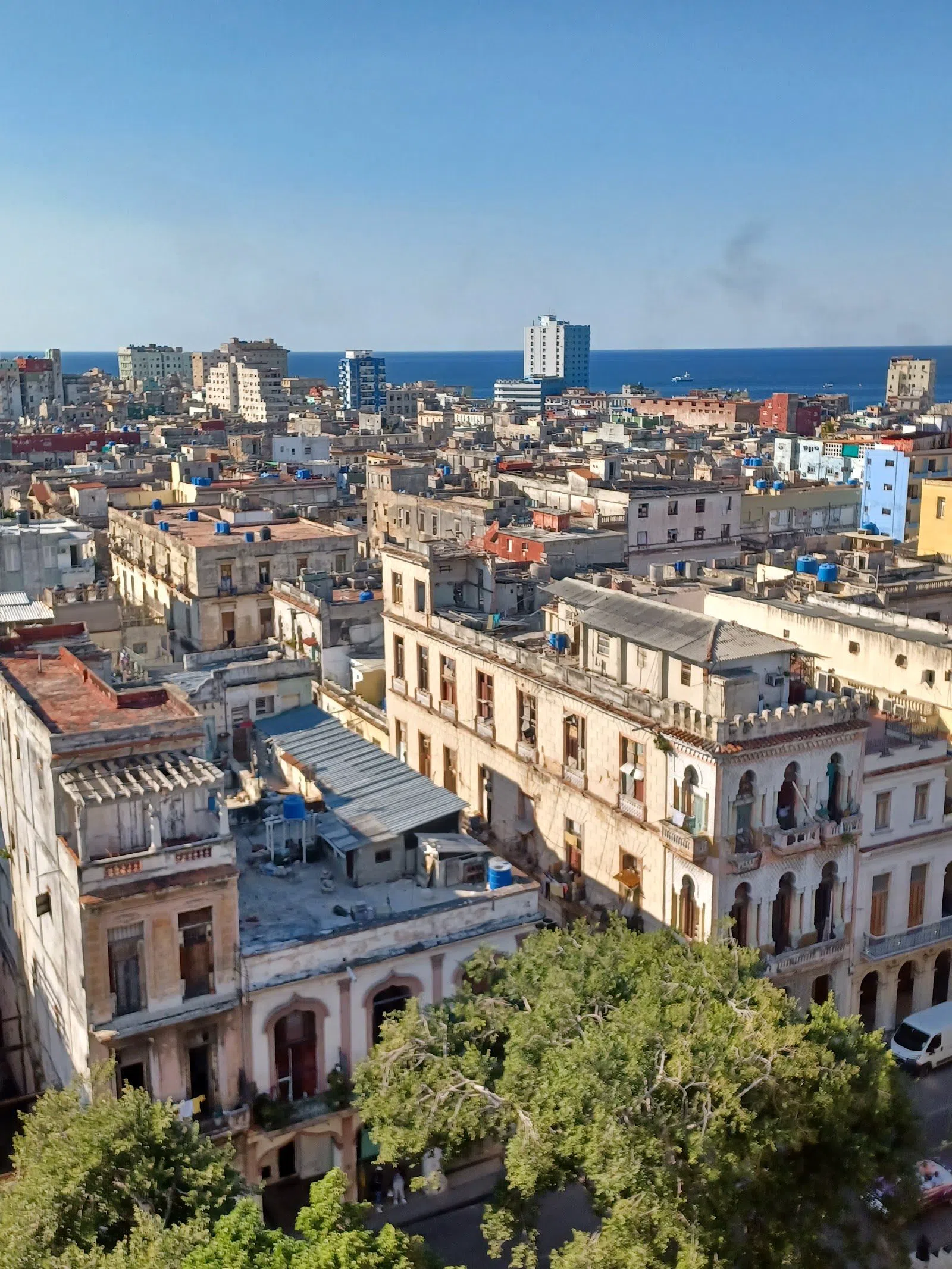
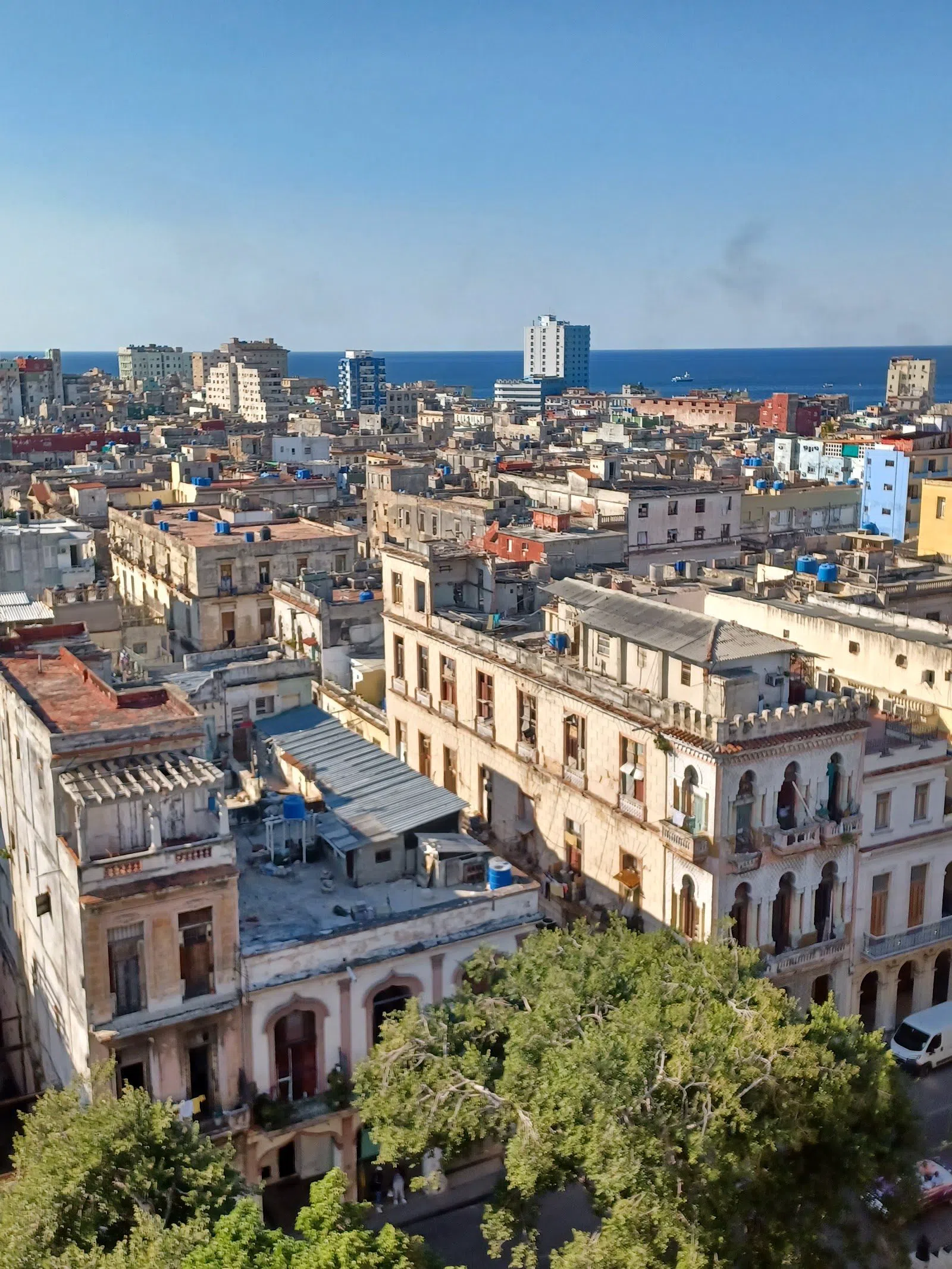
Walk the Malecón at dusk and you can hear the sea instead of the crowd. Whole blocks of Centro Habana go dark on a schedule nobody publishes, the taxis that used to idle along the Prado sit with empty tanks, and the paladar that once wanted three weeks' notice will seat you tonight. Havana has thinned out, and once you understand what has thinned it, the city becomes one of the easier ones in the world to plan precisely, because the constraints are physical and repeatable, and in most cases somebody has already solved them by buying a generator.
What is emptying the city
Three things stack up here, and they need different responses.
The first is electricity. The national grid drops neighbourhood by neighbourhood, and when it goes it takes the water with it: pumps need power, so a building without a tank has no shower an hour later. It takes the lifts too, which matters more in Havana than in most cities, because so much of the good stuff sits on a roof or a top floor. The second is fuel. Buses and street taxis still run, but not to any pattern you can build a day around. The third is that a few of the fixed points on the standard itinerary have moved. Fábrica de Arte Cubano announced a temporary closure in June 2026 with no reopening date, which removes the venue most Havana evenings were hung on. And when the Spanish hotel chains exited Cuba in July 2026, some familiar names changed overnight: same buildings, same staff, new signage. Much of what you read online still points at hotels under brands that no longer exist.
All of that leaves a city with far fewer visitors in it than it can hold, which is not purely a hardship story. Museums that used to queue are near-empty, restaurant tables that used to be impossible are merely difficult, and the streets read the way they did decades ago. Spend your days inside the parts of Havana that run on their own supply, and keep a warm, powered, plumbed refuge within about fifteen minutes of wherever you are.
Plan your Havana trip
Live prices from our booking partners.
Free cancellation on many rooms. We may earn a commission when you book.
The buildings that make their own electricity
Start with where you sleep, because on an unreliable grid the hotel supplies your light, your water and your working lift.
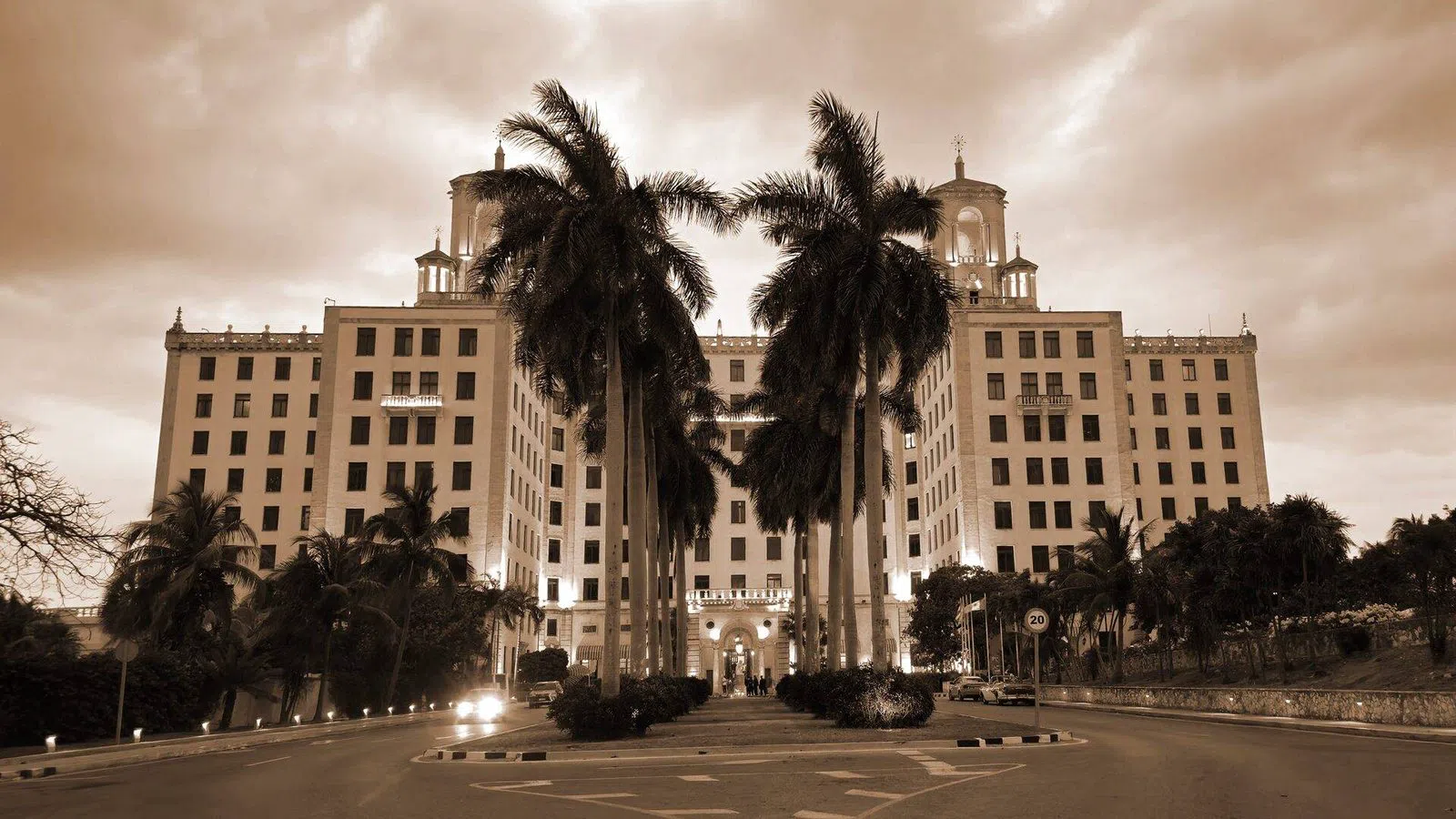
Hotel Nacional de Cuba (Vedado) is the most reliable anchor in the city. Its 426 rooms run on the hotel's own generators, water reserves and fuel, so the lights, the lifts and the hot water stay on when the surrounding blocks go quiet. Rooms run roughly $150 to $300. Even if you sleep elsewhere, use the garden terrace as a two-hour refuge: drinks and coffee are $5 to $12, there is a working bathroom, and nobody will move you along. It takes groups without fuss, since the terrace seats large parties, and the Cabaret Parisién runs Friday to Sunday, 21:00 to 02:00, with group tickets at $40 to $75 a head. There is no door policy beyond smart-casual, which in practice means a collar and closed shoes.
Hotel Parque Central (Old Havana, on the Prado) is the one to watch for the name change. It dropped the 'Iberostar Selection' prefix when the Spanish chains left in July 2026 and is now run directly by the Cuban operator: same building, same backup generators and water tanks, new name. Book it as 'Hotel Parque Central' and ignore any listing still carrying the old brand. Rooms are roughly $130 to $260. The rooftop pool bar is open to non-residents who buy a drink, cocktails $6 to $10, and the lobby bar is big enough that tour groups routinely base themselves here.
Malecón 663 (Centro Habana) is the small, characterful alternative, with rooms around $120 to $200 and the best sunset position on the seafront. The rooftop bar runs daily 17:00 to 23:00 with a themed live-music programme through the week, and it stays usable in an outage because the building's own supply covers the bar and the stairs. The terrace takes groups and books private events, but with live music most nights, call ahead for anything over six.
To compare rates and locations across the city before committing, the Havana hotel search is the fastest way to see what is bookable this season rather than what was listed two years ago.
Where dinner still happens when the block goes dark
The grid tends to fail at dinner time, so the thing worth knowing is which kitchens keep cooking.
San Cristóbal Paladar (Centro Habana, on San Rafael) is the practical pick when the block goes dark at dinner time, one of the few kitchens documented running a full service through a neighbourhood blackout on its own generator. It opens midday to midnight daily, costs $25 to $45 a head, and its several connected rooms make it one of the better options in the city for a table of eight to twelve. Reserve.
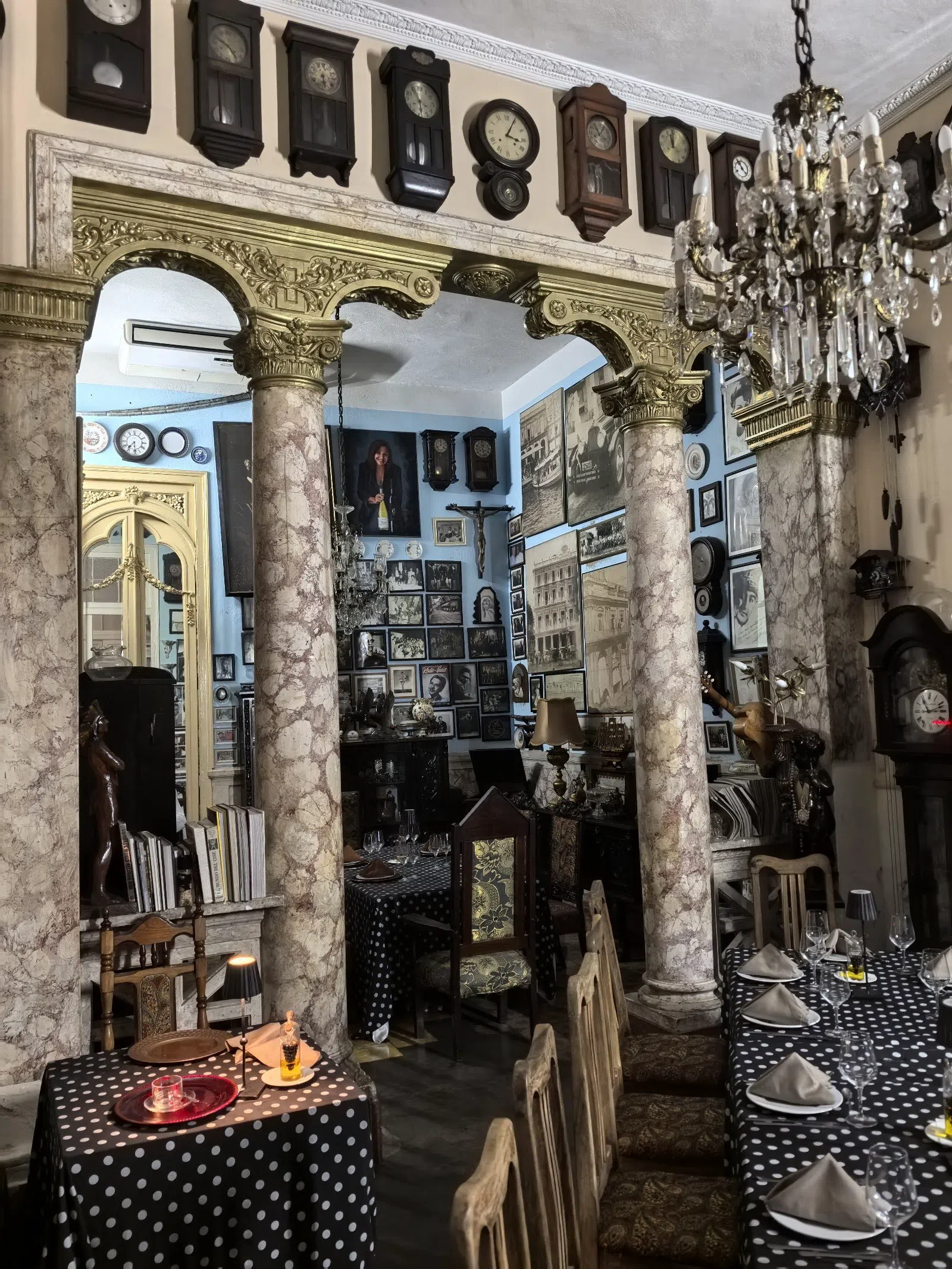

La Guarida (Centro Habana) has been open since 1996 and is still the hardest table on the island, which is why it belongs on a blackout-proof list: it holds its own power and keeps a full kitchen running through outages. Dinner is $35 to $60 a head, cocktails $7 to $10, and the rooftop bar does private events, weddings and receptions. One warning matters more than the food: the internet connection is intermittent, so allow days rather than hours for a booking reply, and do not read silence as a refusal.
El Cocinero (Vedado, on Calle 26) opens daily from midday to midnight and is now the reason to still make the trip to that corner of Vedado, having absorbed the evening trade from its closed neighbour. It runs $25 to $45 a head with cocktails at $6 to $9. The roof terrace takes groups, reservations are essential, and larger parties should telephone rather than message, since messages sit unread when the connection is down.
For two people at lunch, Doña Eutimia (Old Havana) does the most dependable classic-Creole plate in the old city: ropa vieja, malanga fritters, tostones rellenos, $15 to $25 a head, open daily midday to 22:00, at a price that survives the exchange-rate churn. The room is domestic. Six or eight is comfortable; beyond that it is awkward, and you will be seated in shifts. Book ahead and treat it as a two-person lunch rather than a group dinner.
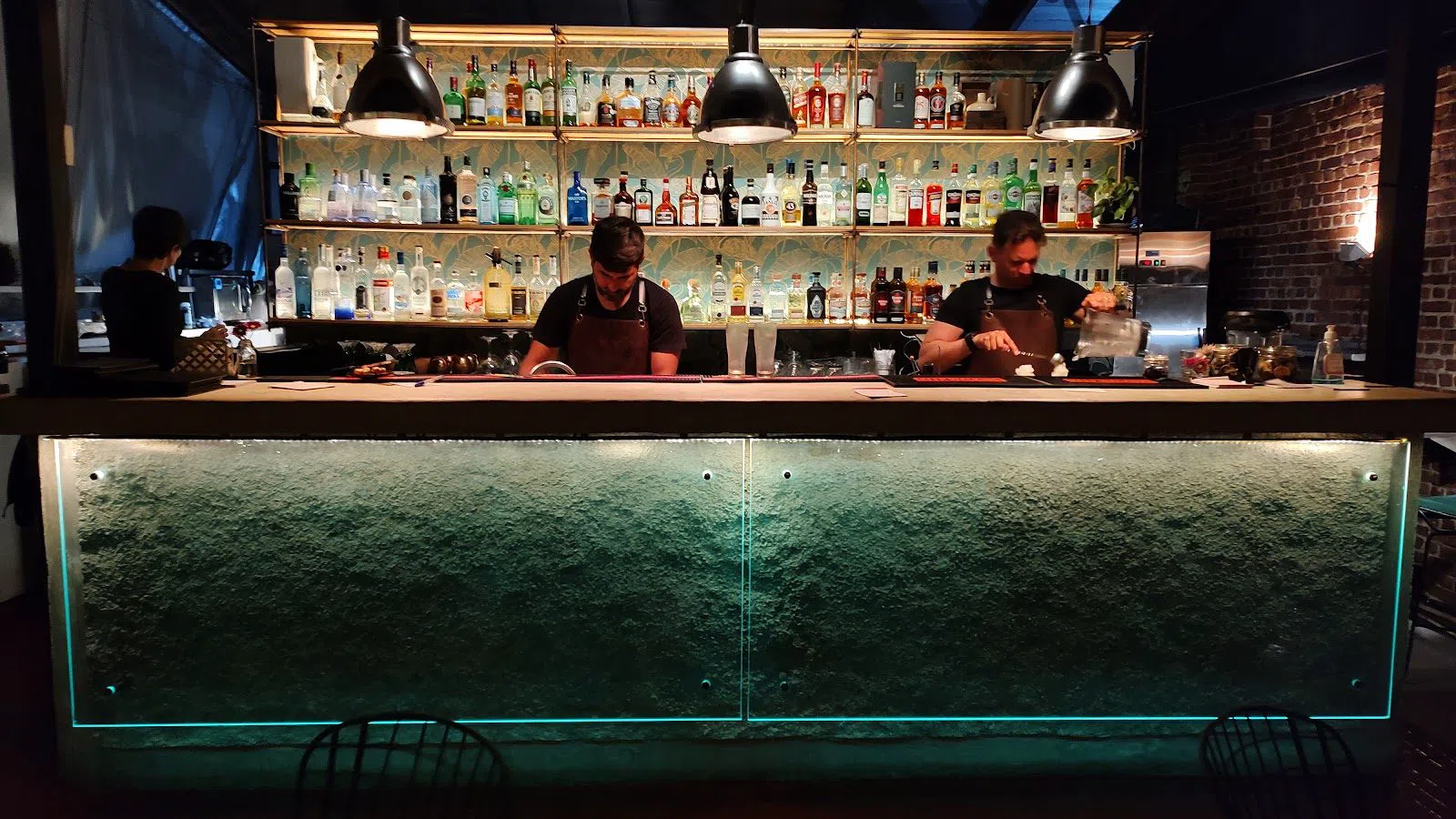
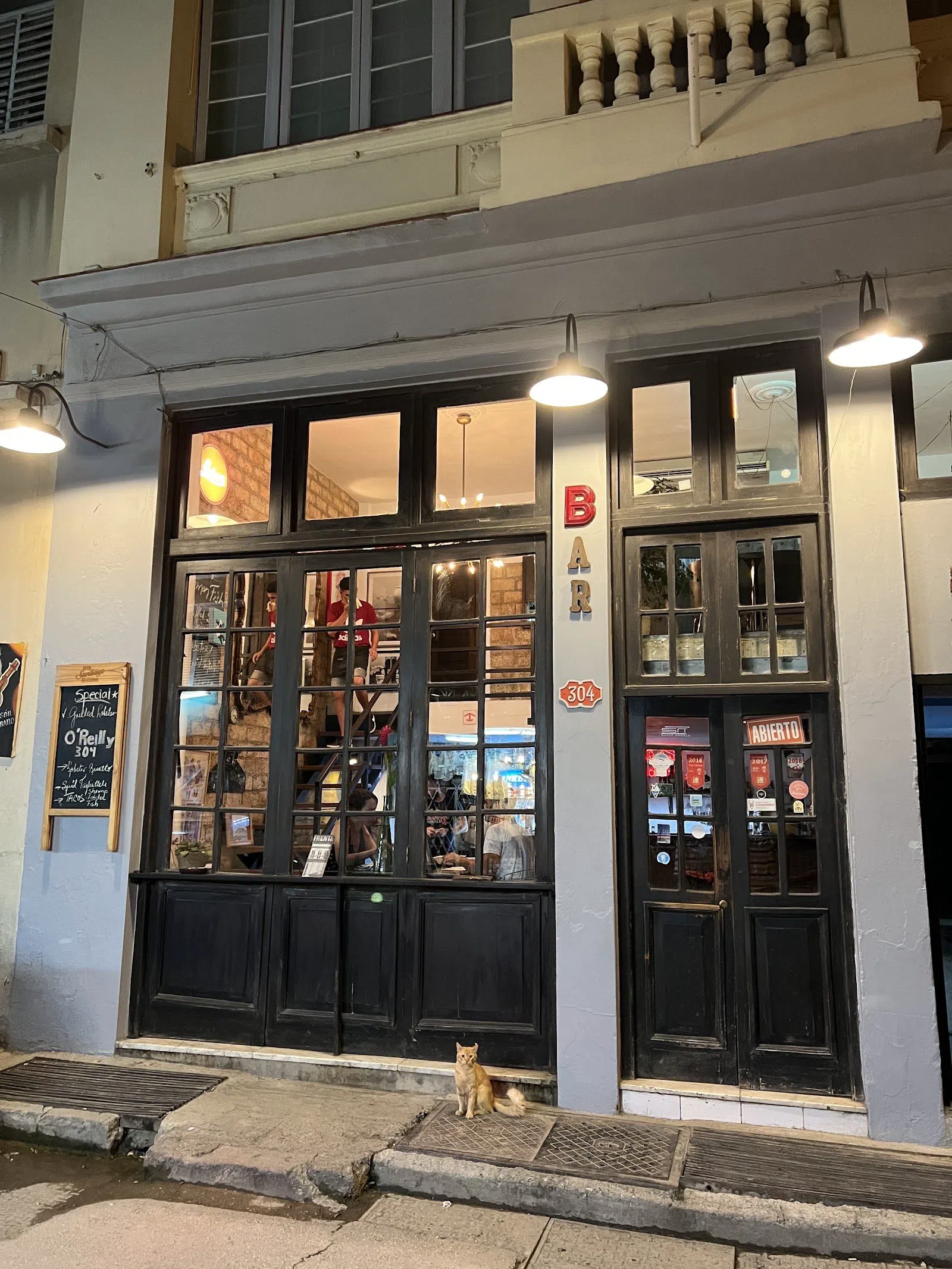
O'Reilly 304 (Old Havana) is the same story in miniature and with better gin. Four is comfortable, six is a squeeze, and $20 to $35 a head buys ceviche and cocktails that would hold up anywhere. The Imperatori brothers run both this and a larger sibling room directly opposite, with its own roof terrace, so treat them as one operation with two doors: if 304 is full, you will be seated across the road within a minute.
Daylight plans that ignore the grid
Open-air Havana is the one part of the city an outage cannot touch, so let it carry the daylight hours.
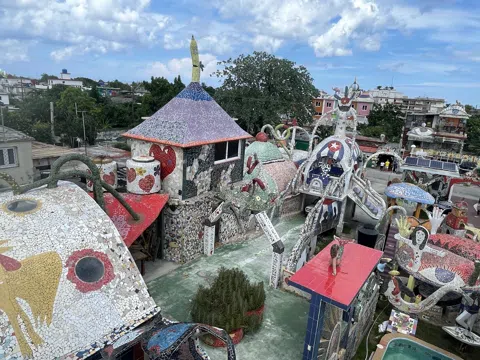
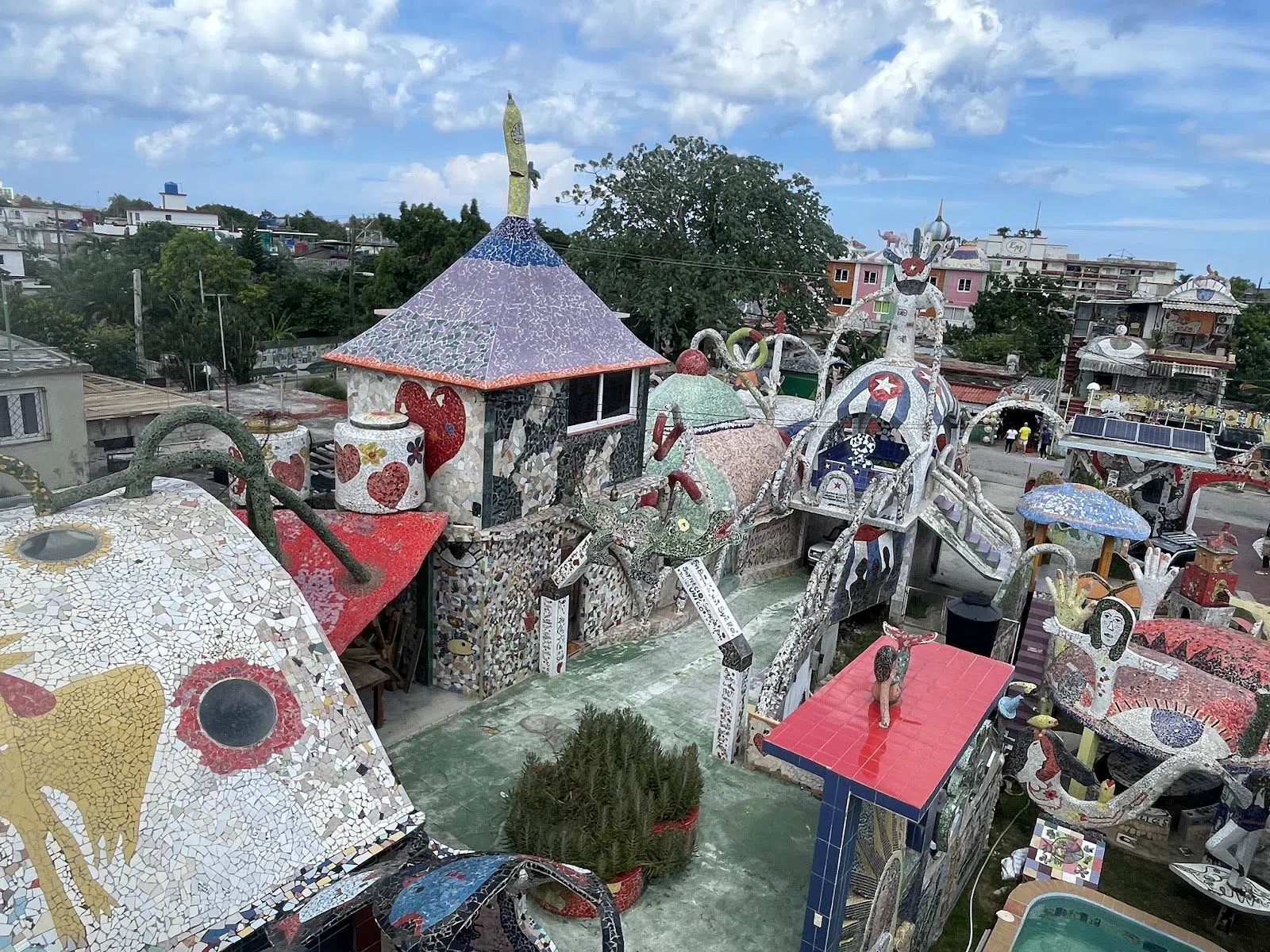
Fusterlandia (Jaimanitas, about 30 minutes west of the centre) is open-air, daylight-only and independent of the grid. Entry is 100 CUP per person, the house and studio are open, doors run from morning to roughly 17:00, and 30 to 45 minutes covers it honestly, which is why you pair it with a hired car rather than making it a trip in its own right.
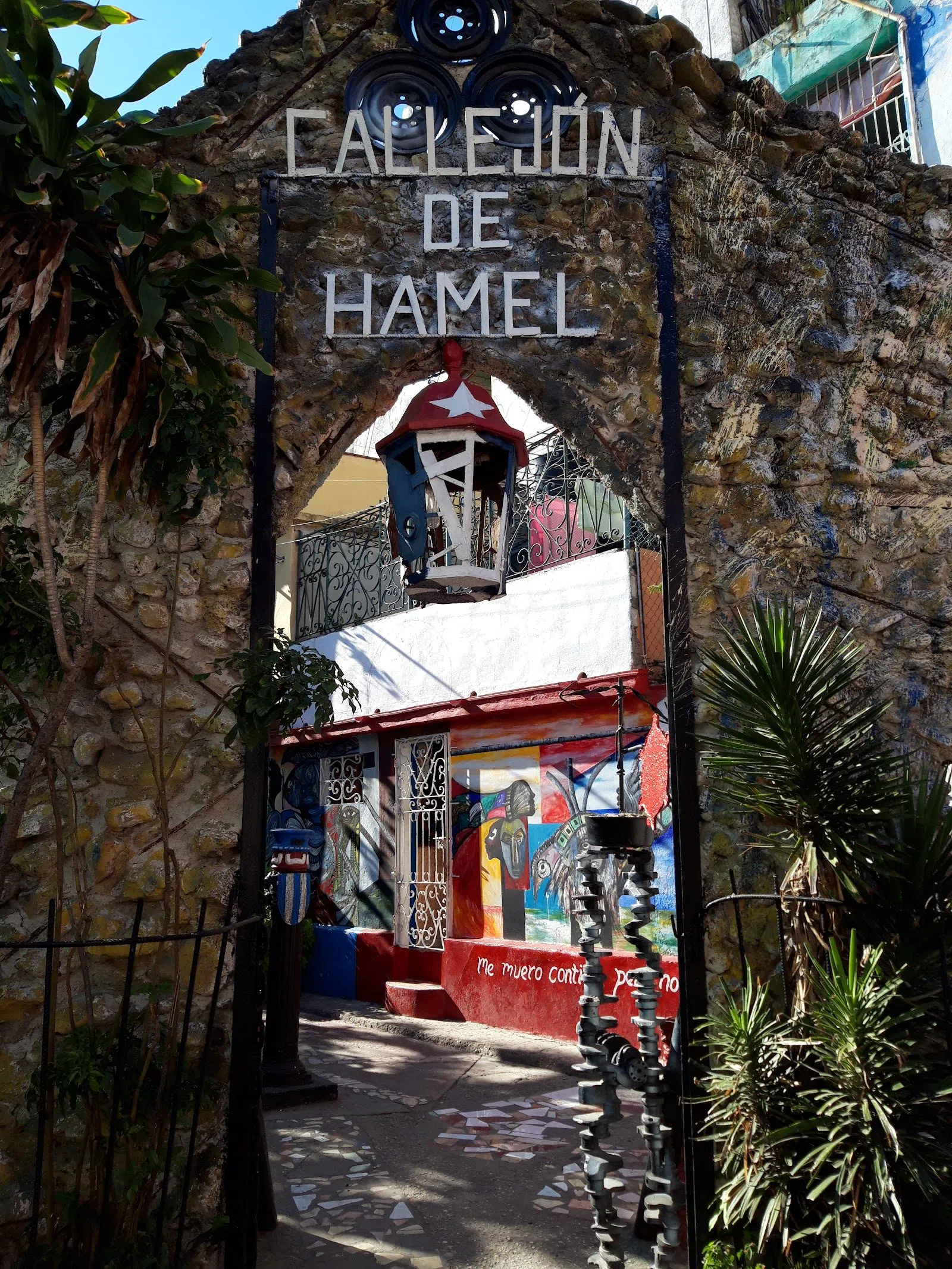
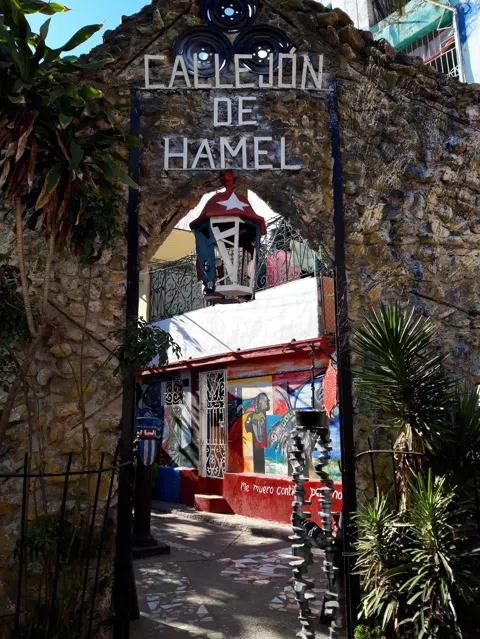
Callejón de Hamel (Centro Habana) holds the rumba every Sunday from around noon until mid-afternoon, and has for decades. There is no door and no booking; it is free to walk in, drinks cost a few dollars, and you tip the musicians. Groups are fine in principle, though the alley is tight once the drumming starts, so a party of ten should expect to stand in twos and threes. This is the one crowd in Havana that has not thinned, because the neighbourhood turns out for it rather than the visitors.
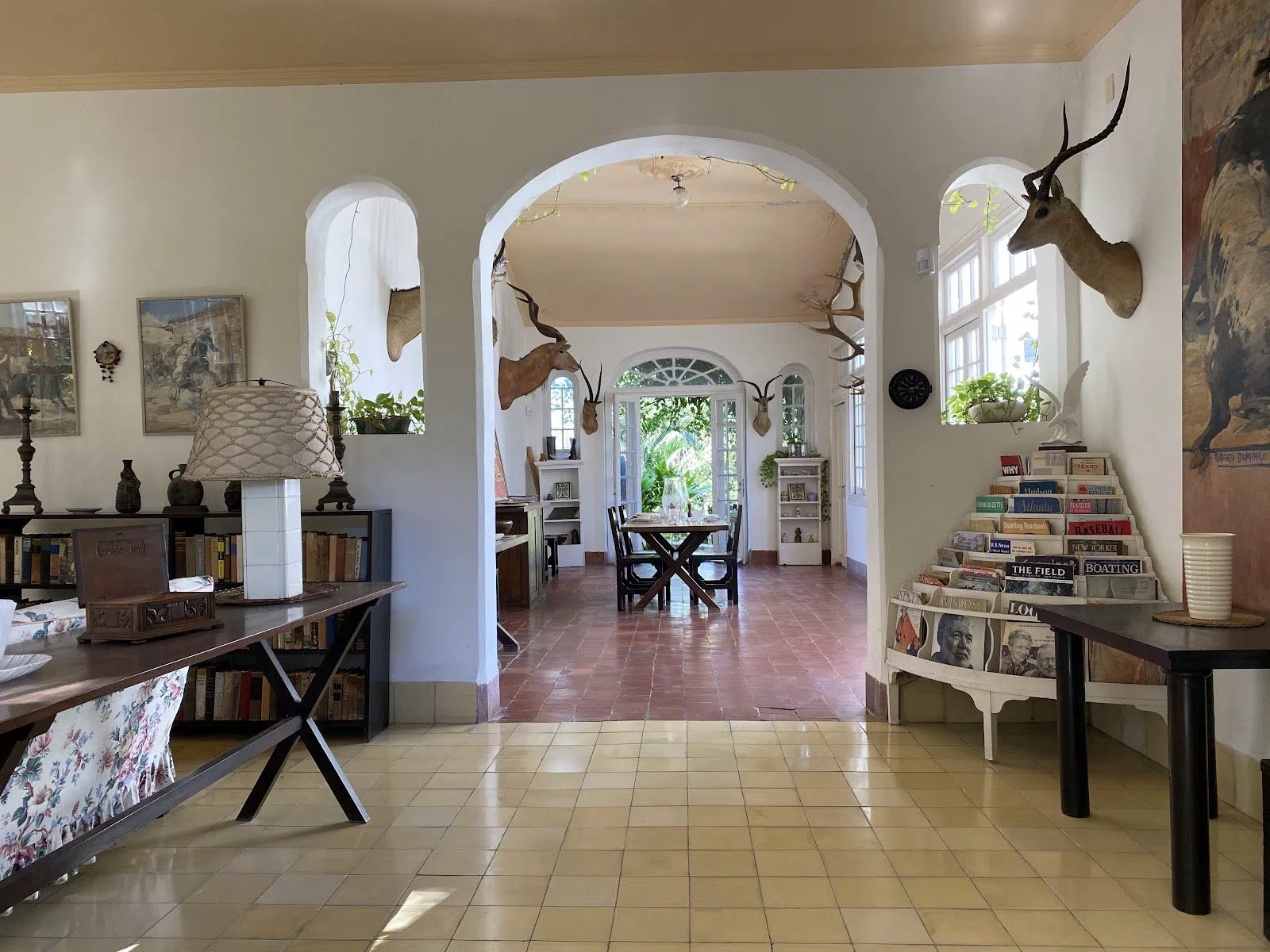
Museo Hemingway Finca Vigía (roughly ten miles southeast of the centre) needs a dry morning and a driver who will wait. You view the rooms through open windows rather than walking the house, which is why it closes when it rains and why groups move through quickly. Entry is around $5 to $10 plus the fare, it opens Monday to Saturday with an early close, and it is shut on Sundays.
Indoor hours worth banking
On a hot afternoon, or when your block has no power, these are the places to hold in reserve.
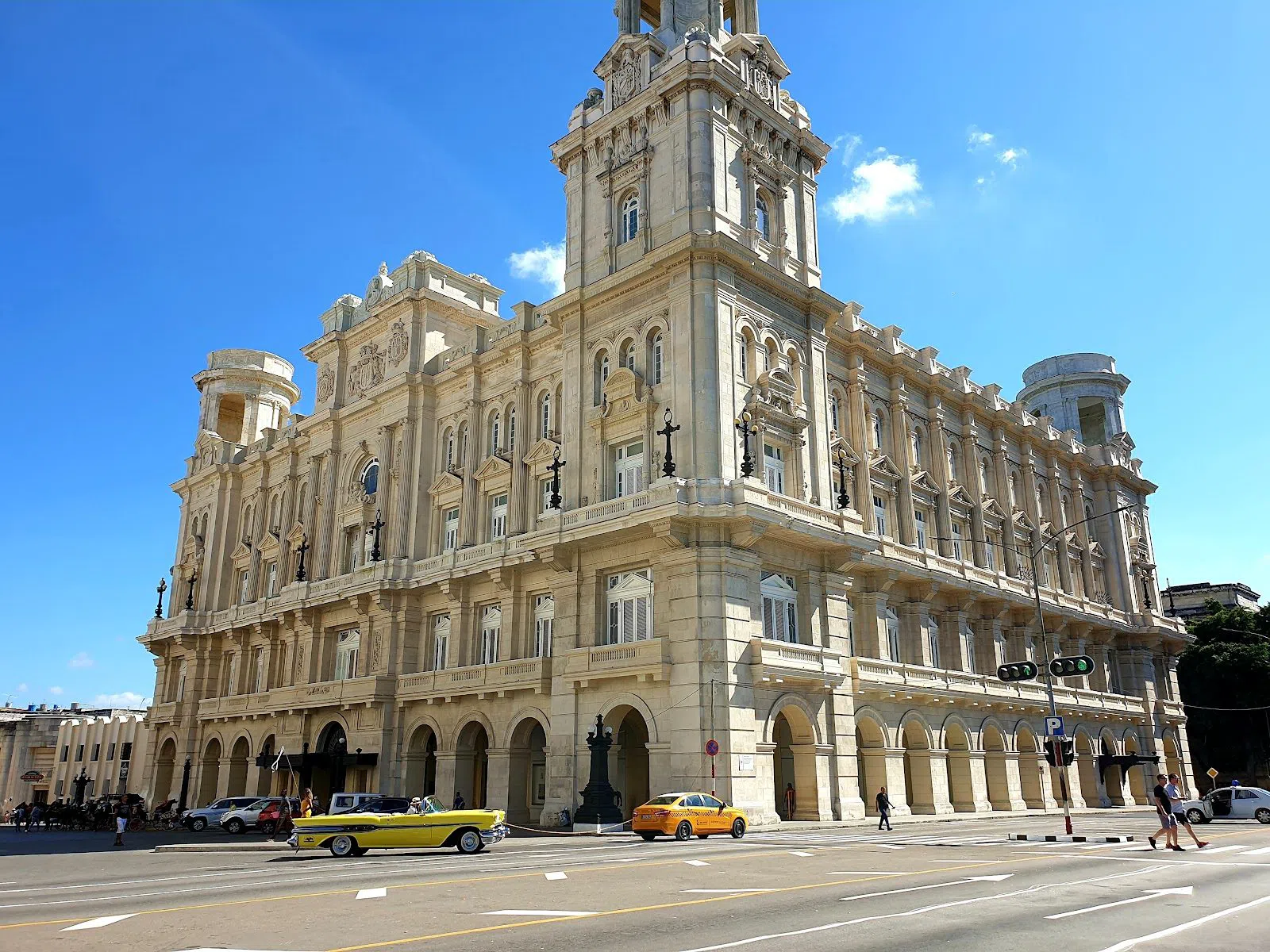
Museo Nacional de Bellas Artes de Cuba (Old Havana) holds the strongest collection of Cuban painting anywhere and is almost always near-empty. The hours are tight and not obvious: Thursday to Saturday 09:00 to 17:00, Sunday 10:00 to 14:00 only. Plan it into your week rather than dropping in on it. Foreign visitors pay 125 CUP for one building or 200 CUP for both, tickets are sold per building, and guided visits are arranged at the information desk.
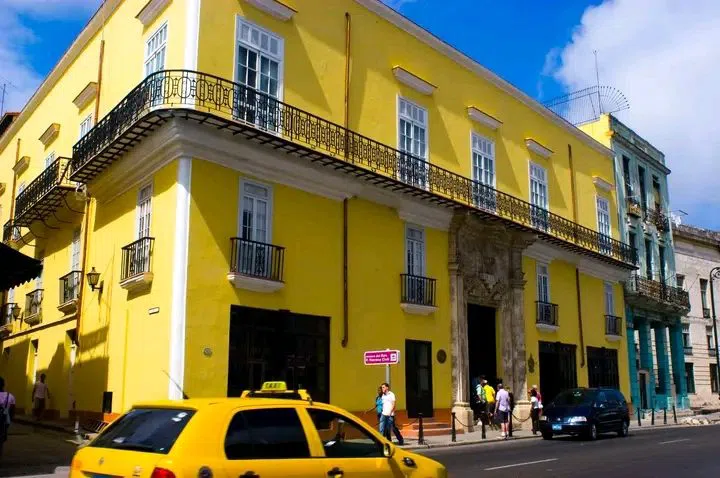
Museo del Ron Havana Club (Old Havana, near the harbourfront) is the most reliable hour in the old city when it is raining or the street is dead: open 09:30 to 17:30 daily, indoors, guided and short, with tours leaving every 15 minutes in five languages. It costs around $15 including a tasting of seven-year-old rum, which is the good stuff rather than a token pour. It is built for groups, though larger parties should book ahead.
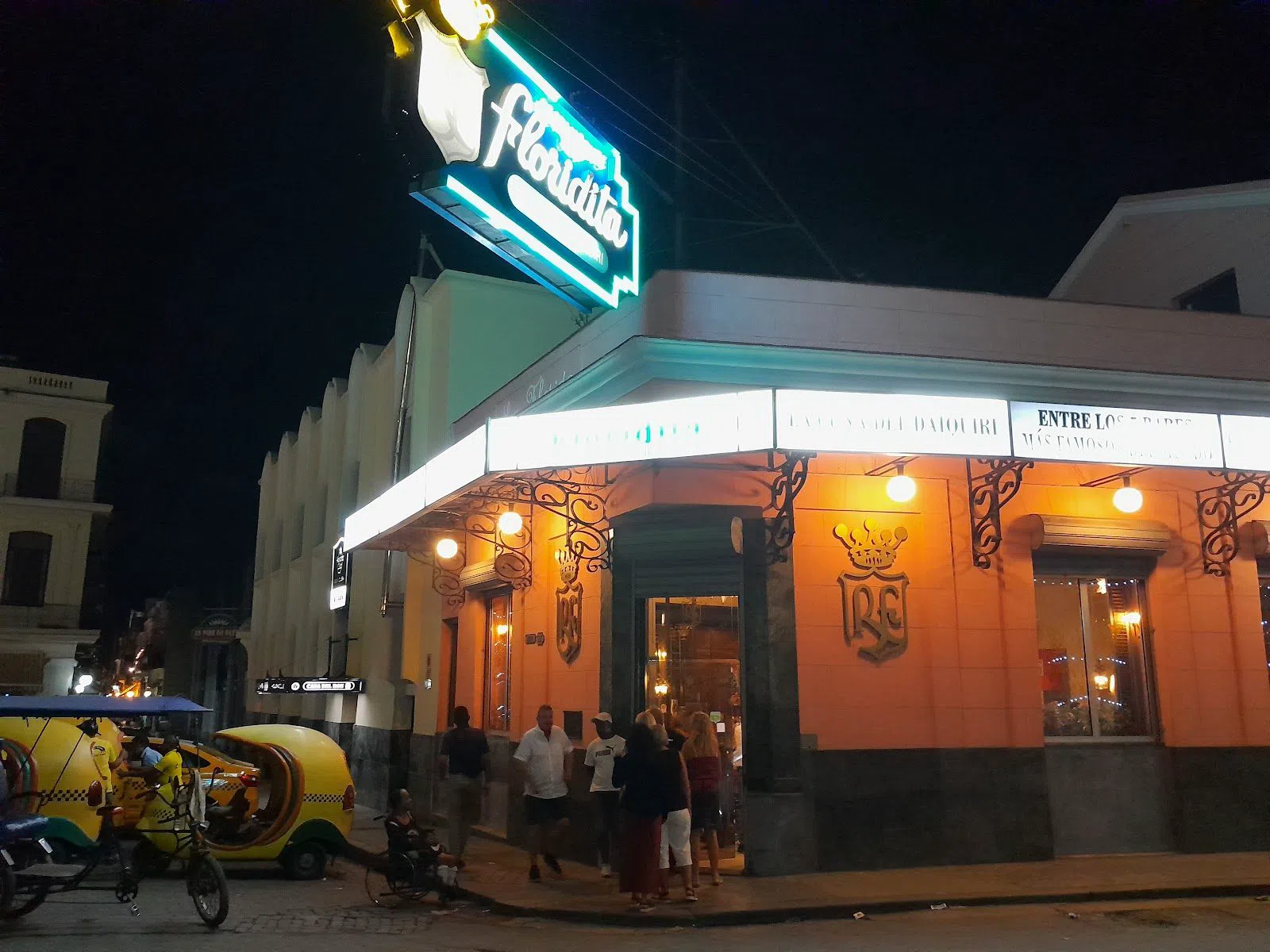
El Floridita (Old Havana, at the end of Obispo) is unashamedly a landmark: operating since 1817, open 11:00 to midnight every day with live music, daiquiris around $7.50 and meals $20 to $35. It is also air-conditioned, powered and reliably open, which on an afternoon when half the block has no electricity is worth considerably more than the novelty. Walk in; the standing room at the bar absorbs groups and there is a dining room behind for seated parties.
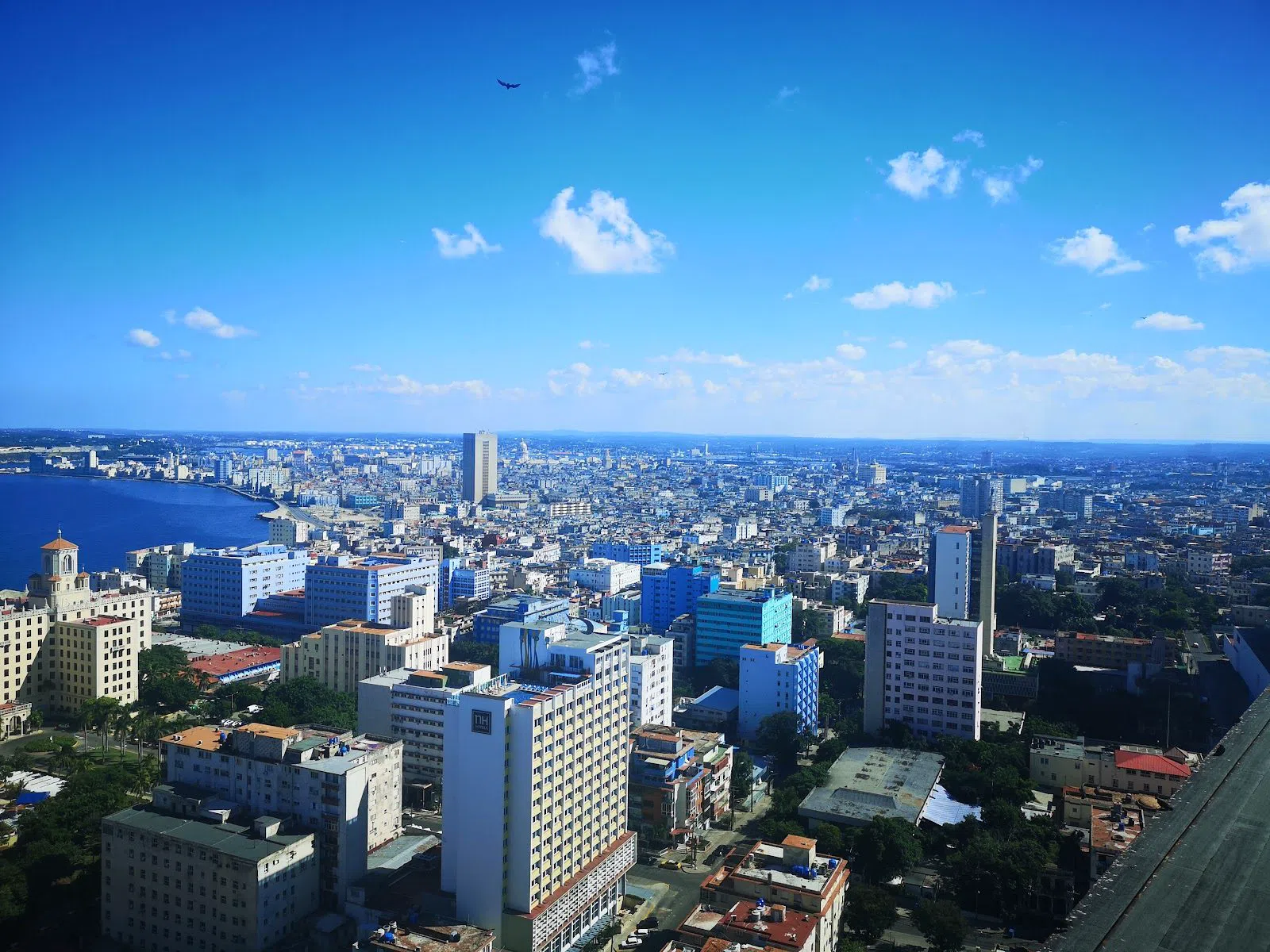
La Torre (Vedado, at the top of the Focsa building) has the finest view in the city and has had since it opened as Club La Torre in 1957. It also depends entirely on a lift running 33 floors. Go in daylight, confirm on the day, and have a fallback ready if the building is on generator power. The bar takes walk-ins including groups, with drinks $5 to $10; restaurant tables are by reservation only at $30 to $50 a head, and it is closed Mondays.
The only transport you can still schedule
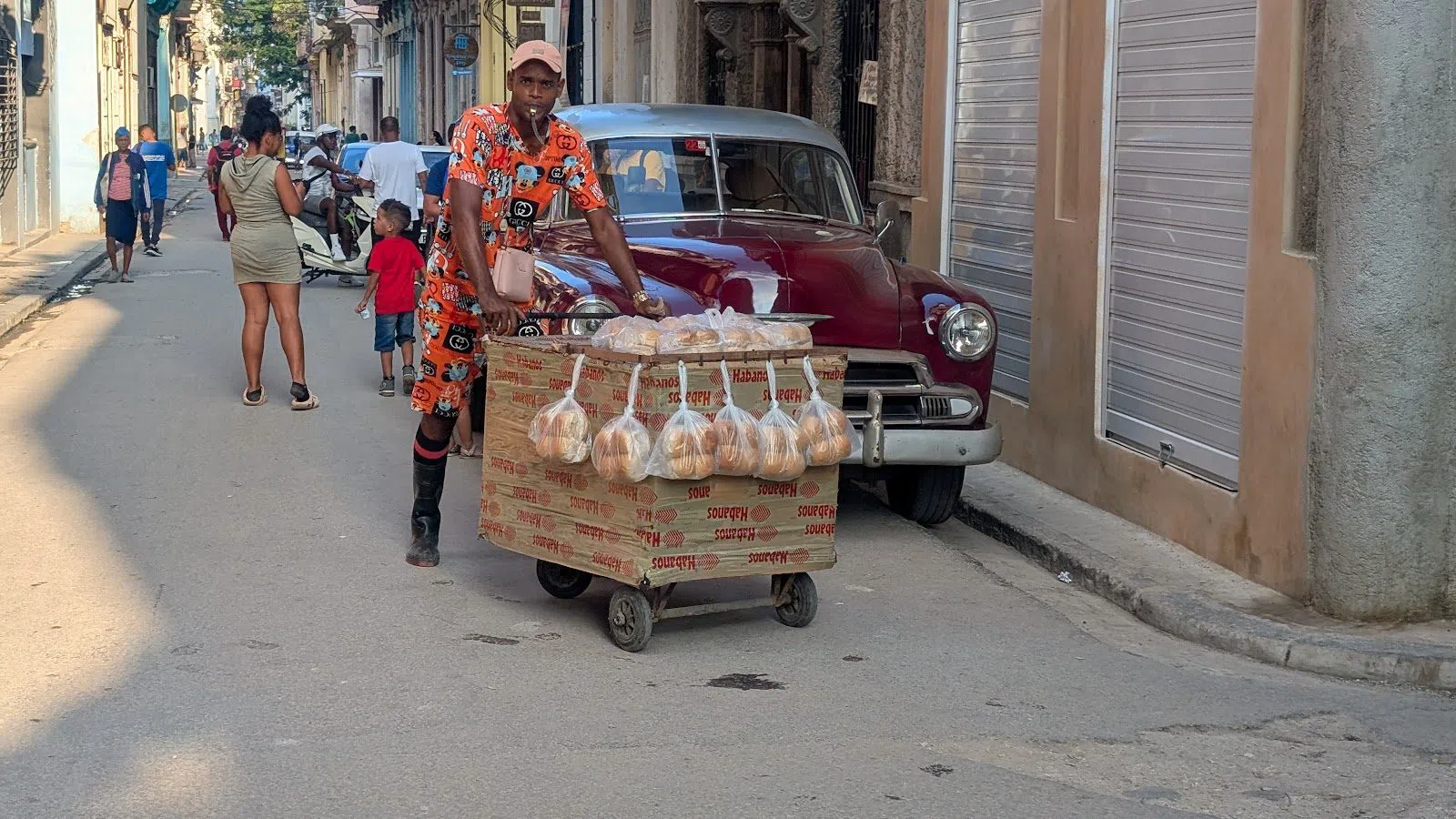
Fuel shortages have made buses and street taxis unpredictable, so a private car with a driver is now the only transport in Havana you can put in a diary. Old Cars Havana is the most consistently well-reviewed of the classic-car operators and is set up for groups, running multi-car convoys as well as city loops. Reckon on $40 to $60 per car per hour in the city and $150 to $250 per car for a full day trip out of it. Agree the price and the route before you get in. A vague brief and a long day is how disputes start.
Practical notes for the week
Hire a car with a driver for anything outside the centre and cluster those trips: Fusterlandia west, Finca Vigía southeast, each paired with something else rather than run as a solo errand. Inside Old Havana and Centro, walk. The distances are short and the pavements are the best part.
Carry cash, in reasonable denominations. Museums quote in CUP (125 or 200 at Bellas Artes, 100 at Fusterlandia); restaurants, bars and drivers quote in dollars. Confirm the price before the meal, the ride or the tour, and keep small notes for musicians and doormen.
Anchor the week around the fixed hours, because they are the least forgiving part: Bellas Artes only Thursday to Sunday, the rumba only on Sunday afternoon, La Torre closed Mondays, Finca Vigía closed Sundays and in rain, and the rooftop at Malecón 663 from 17:00. Book restaurants days ahead rather than hours, especially La Guarida, and telephone when the connection is bad.
A comfortable day runs roughly $200 to $300 for two once you count a generator-backed room, one paladar dinner, a museum or two and a couple of hours of car. You can halve that by eating at Doña Eutimia, walking the old city and keeping the car for one long day. For background on districts, seasons and the wider city, the Havana guide sets out how the pieces fit together.
The city is quieter than it has been in a generation. Plan around the power and the fuel, keep a powered terrace within reach, and you will have the run of it.
Before you go
Is Havana still worth visiting while the power cuts are happening?
Yes, if you plan around them rather than hope for the best. The museums and paladares that once meant queuing or weeks of notice are easy to get into now, and the buildings you will care about most (Hotel Nacional de Cuba, Hotel Parque Central, Malecón 663, La Guarida, San Cristóbal Paladar) run on their own generators and water reserves. You cannot improvise a day and expect the grid, the lifts and the taxis to cooperate.
Which Havana hotels keep power and hot water during an outage?
Hotel Nacional de Cuba in Vedado is the most reliable: 426 rooms on the hotel's own generators, water reserves and fuel, roughly $150 to $300 a night. Hotel Parque Central on the Prado has backup generators and water tanks, around $130 to $260. Malecón 663 in Centro Habana covers its bar and stairs on its own supply, roughly $120 to $200. Even non-residents can use the Nacional's garden terrace or the Parque Central rooftop by buying a drink.
Why can I not find Iberostar Selection Parque Central any more?
The Spanish hotel chains exited Cuba in July 2026, and the hotel dropped the 'Iberostar Selection' prefix. The Cuban operator now runs it directly as Hotel Parque Central, in the same building with the same generators and water tanks. Book under the new name and ignore listings still using the old brand.
What replaced Fábrica de Arte Cubano for a night out?
Fábrica de Arte Cubano announced a temporary closure in June 2026 with no reopening date. Its immediate neighbour El Cocinero on Calle 26 absorbed that evening trade and opens daily from midday to midnight, $25 to $45 a head, with a roof terrace that takes groups on reservation. For live music, the rooftop at Malecón 663 runs 17:00 to 23:00 daily with a themed weekly programme.
How do I get around Havana if the buses and taxis are unreliable?
Hire a car with a driver. Fuel shortages have made buses and street taxis impossible to schedule, so a private car is the only transport you can put in a diary. Old Cars Havana charges around $40 to $60 per car per hour in the city and $150 to $250 for a full day, and runs multi-car convoys for groups. Agree the price and the route before you set off, and walk within Old Havana and Centro.