Havana 특집호
아바나에서 2박, 비냘레스 계곡에서 하루
아바나 올드타운, 베다도의 밤, 담배 산지로의 서쪽 당일치기 여행을 중심으로 한 빡빡하지만 도보로 이동 가능한 아바나 일정. 실제 가격, 방문 조건, 그리고 도착 전에 예약해야 할 것들을 담았습니다.
글: Oliver NashReading Havana barrio by barrio
말레콘은 항구 입구에서 알멘다레스 강까지 4마일(약 6.4km)을 따라 흐릅니다. 말레콘에서 6블록 안쪽으로 선을 그으면 하바나 단기 여행에 필요한 거의 모든 것이 포함됩니다. 도시의 핵심 지역은 도보로 이동할 수 있고, 나머지는 느리게 흘러갑니다. 이곳에서의 2박은 대부분의 수도에서의 2박보다 더 많은 것을 제공합니다. 남은 것은 3일차 일정인데, 그 해답은 서쪽으로 3시간 거리인 비냘레스 주변의 담배 산지에 있습니다. 가방 하나 꾸리지 않고도 볼 수 있을 만큼 가깝습니다.
다음은 목록이 아니라 경로입니다. 1일차는 하바나 비에하를 도보로 둘러보되, 정오부터 3시 사이의 더위 때문에 걷기가 의미 없어지는 시간을 피해 한 시간의 에어컨 휴식을 중간에 포함합니다. 2일차는 서쪽으로 베다도와 도시의 타일 장식 가장자리까지 나아갑니다. 3일차는 아침 8시에 출발하여 저녁 식사 전에 계곡을 여러분에게 돌려줍니다. 아직 숙소를 정하지 않았다면 하바나 호텔 검색으로 시작하여 파세오 지역 동쪽에 머무르세요. 아래의 모든 장소는 그 지역에서 택시로 15분 거리 안에 있습니다.
1일차: 하바나 비에하 도보 여행
9시 전에 대성당 광장(Plaza de la Catedral)에서 시작하세요. 바로크 양식의 건물 정면이 여전히 그늘을 드리우고, 광장이 팁을 위해 연주하는 트리오보다는 출근하는 사람들의 것으로 가득할 때입니다. 그곳에서 옛 도시는 어떤 방향으로든 20분이면 건널 수 있는 격자 구조로 펼쳐지며, 이는 짧은 여행의 기반을 이 근처에 두는 이유입니다. 네 개의 광장(카테드랄, 비에하, 산 프란시스코, 아르마스)을 순서대로 걸으며 우회로를 따라가세요. 하바나 비에하에서 흥미로운 거리는 광장 사이에 있으며, 비계, 빨래, 복원된 외관이 같은 블록에 공존합니다.
점심은 대성당 광장에서 30초 거리에 있는 도냐 에우티미아(Doña Eutimia) (올드 하바나, 칼레혼 델 초로)에서 먹습니다. 이곳은 로파 비에하, 피카디요, 세르도 등 고전적인 쿠바 요리를 제대로 제공하며, 메인 요리는 약 US$10-18입니다. 식당은 작고 성수기에는 줄이 길어 커플이나 2인에게 적합합니다. 6명 이상의 그룹은 사전 예약을 하지 않으면 골목에 서 있어야 합니다. 가깝고 빠르며 지나치게 꾸미지 않아 첫날 아침 식사로 현명한 선택입니다.
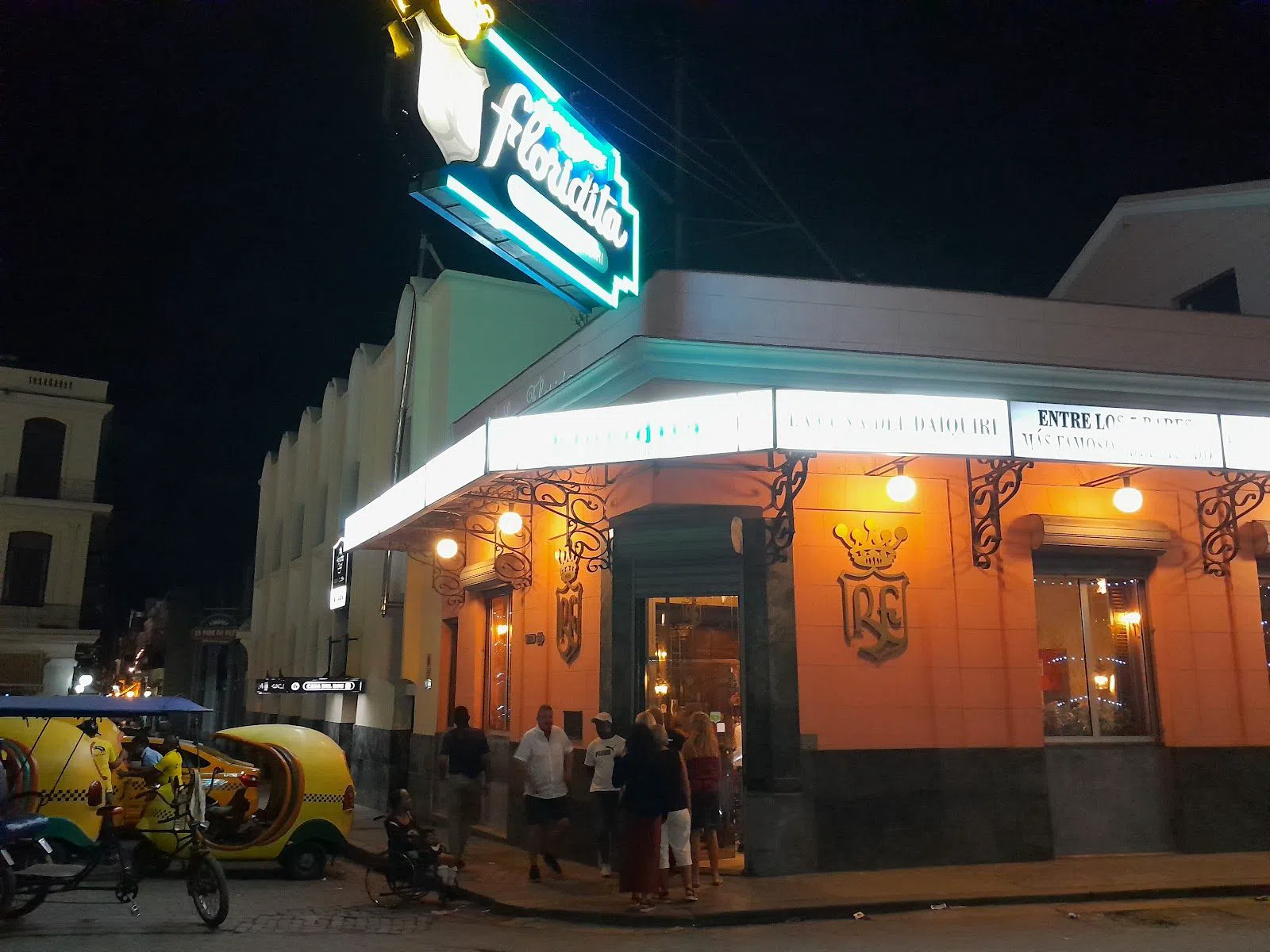
이후 오비스포 거리를 걸어 엘 플로리디타(El Floridita) (올드 하바나, 몬세라테 쪽 끝)로 가세요. 1817년부터 영업하며 얼린 다이키리의 발상지로, 코너에는 하우스 밴드가 있고 다이키리는 약 US$7-10입니다. 서서 마시는 곳이며 예약을 받지 않고 오후 중반이면 웃음이 나올 정도로 붐빕니다. 따라서 그룹은 정오 이전에 방문하는 것이 가장 쉽습니다. 한 잔의 음료와 바 역사의 일부로 즐기고 저녁으로 삼지 마세요. 그래야 즐겁게 지낼 수 있습니다.
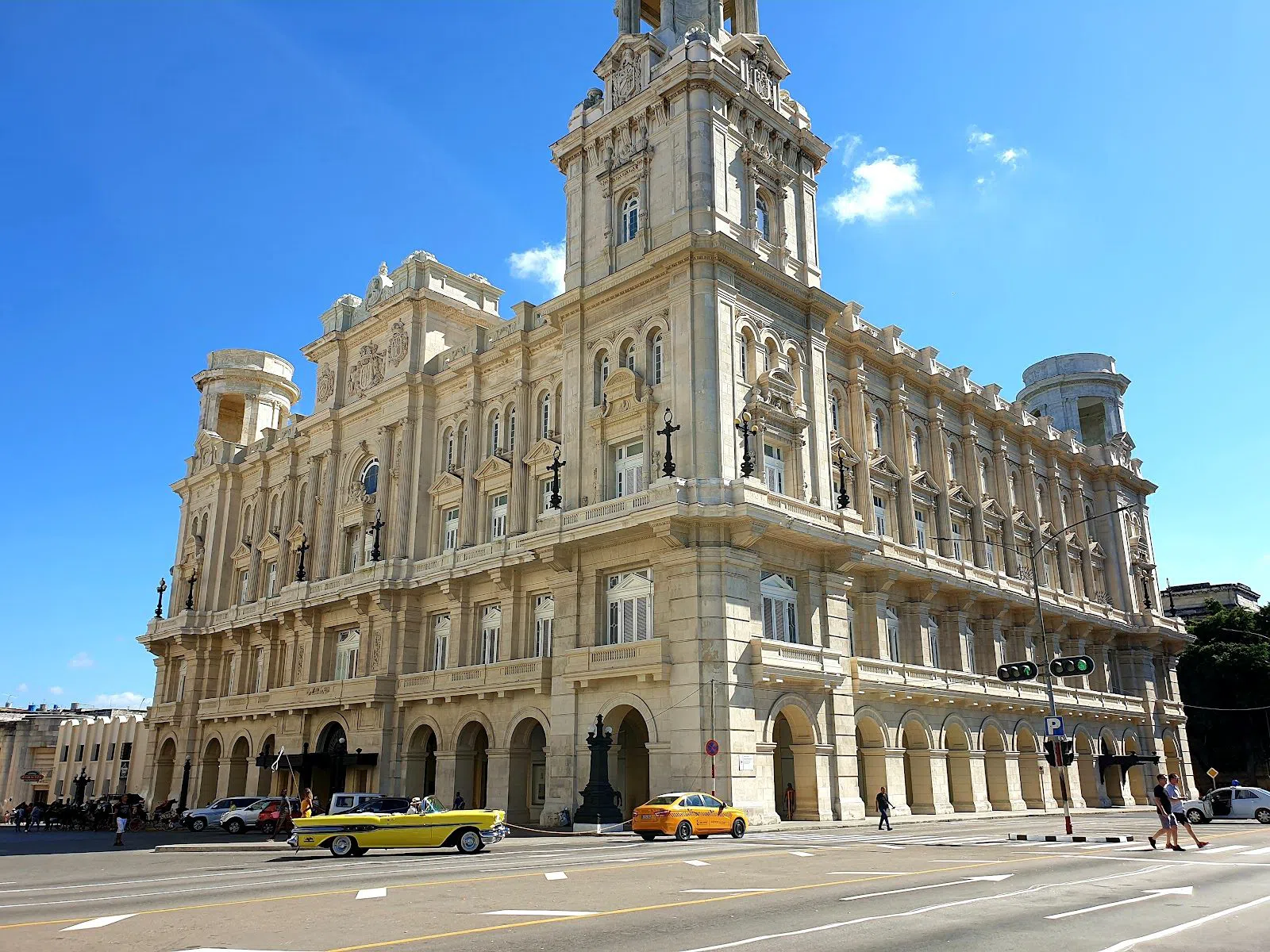
해가 강해지면 국립 미술관 – 쿠바 미술관(Museo Nacional de Bellas Artes — Arte Cubano) (올드 하바나, 파르케 센트랄 옆)으로 건너가세요. 약 US$5-10이면 쿠바 회화의 가장 포괄적인 컬렉션을 볼 수 있으며, 같은 티켓으로 같은 날 아르테 우니베르살 건물도 관람할 수 있습니다. 쿠바 미술 건물로 들어가는지 확인하세요. 형제 건물과 혼동하는 방문객이 생각보다 많습니다. 화요일부터 토요일까지 오전 10시~오후 6시, 일요일 오전 10시~오후 2시, 월요일 휴관입니다. 예약은 필요 없고 그룹도 괜찮습니다.
Havana 여행 계획하기
예약 파트너의 실시간 가격입니다.
많은 객실이 무료 취소 가능합니다. 예약 시 당사가 수수료를 받을 수 있습니다.
저녁 전 옥상에서 보내는 시간
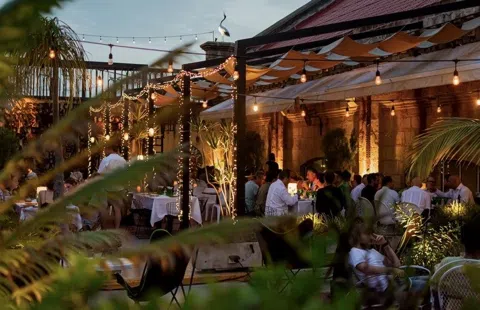
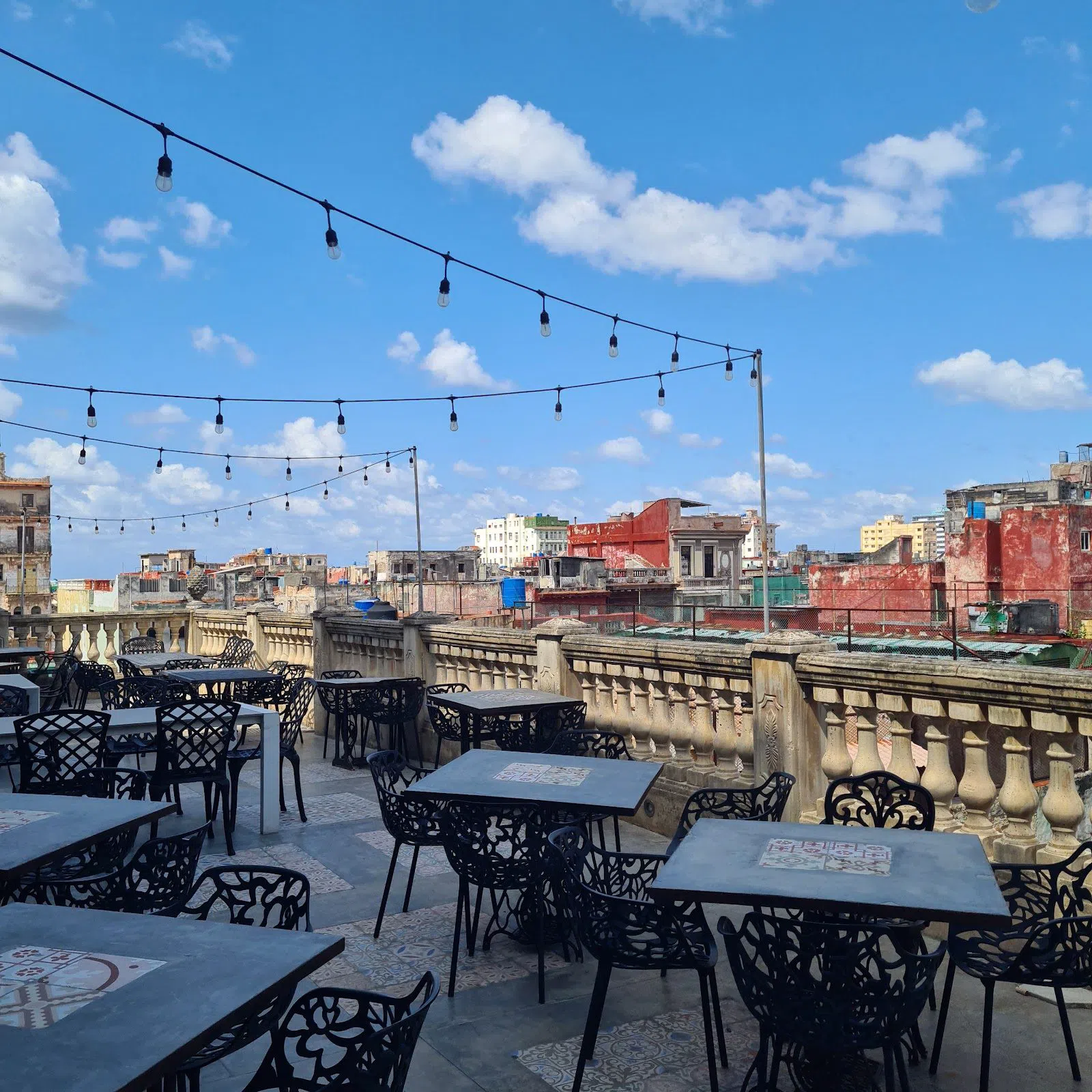
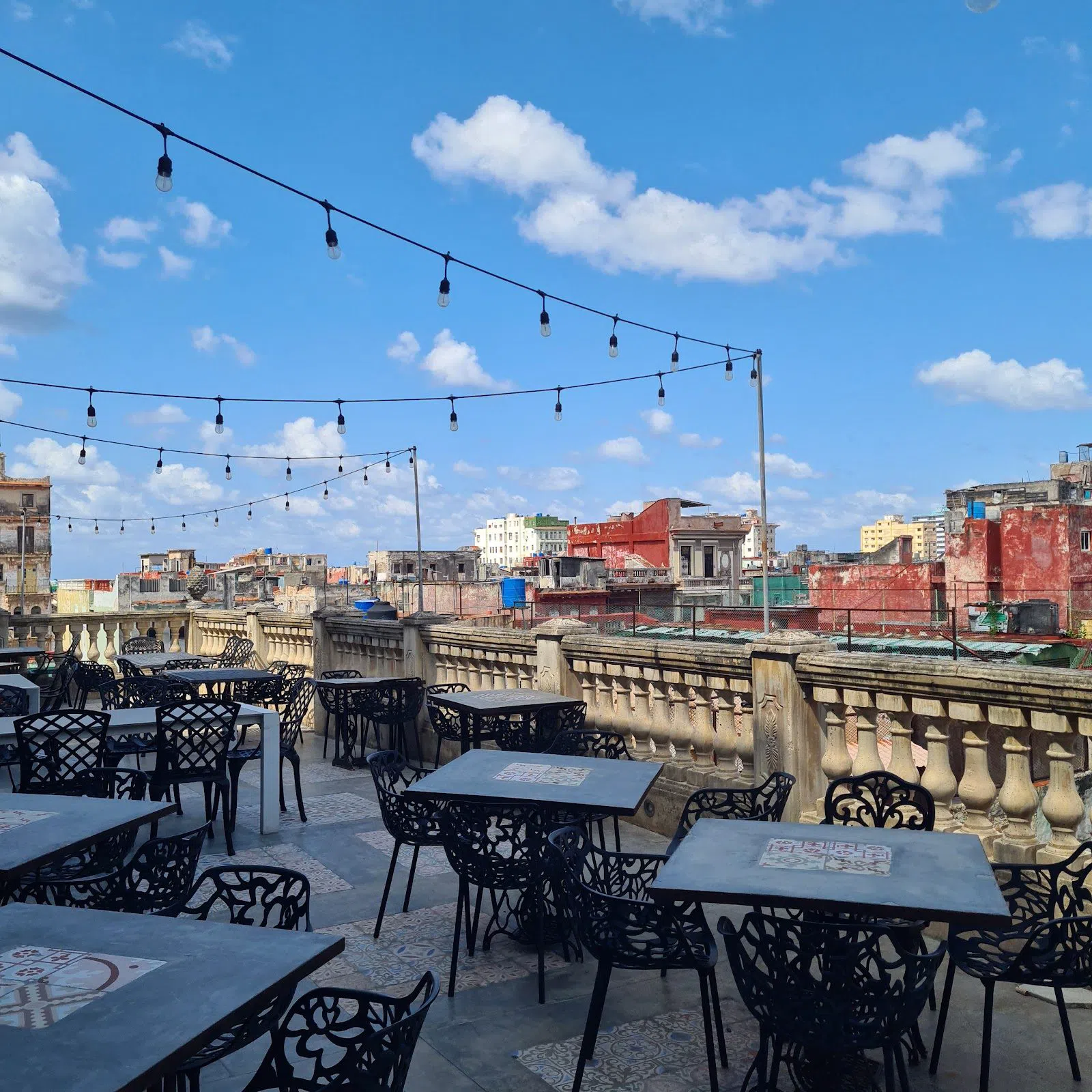
하바나에서 가장 좋은 시간은 어두워지기 전의 시간이며, 그 시간을 보내기 가장 좋은 옥상은 엘 델 프렌테(El Del Frente) (올드 하바나, 오라일리 거리)입니다. 이곳은 현지 과일로 만든 독창적인 바 프로그램으로 50 베스트 디스커버리 목록에 올라 있으며, 칵테일은 약 US$4-6입니다. 새우 타코는 음료에 못지않게 훌륭하며 스몰 플레이트는 US$6-12입니다. 옥상은 작아서 테라스 테이블은 구시가지에서 가장 구하기 어려운 자리입니다. 6명 이상은 예약해야 하며, 커플도 8시가 아닌 일찍 도착해야 합니다. 옥상이 꽉 찼다면 같은 팀이 운영하는 오라일리 304가 길 건너편에 있으니, 문지기가 공간이 있는 곳을 정직하게 알려줄 것입니다. 자정쯤 문을 닫습니다.
비에하에서의 저녁 또는 라 과리다로의 등반
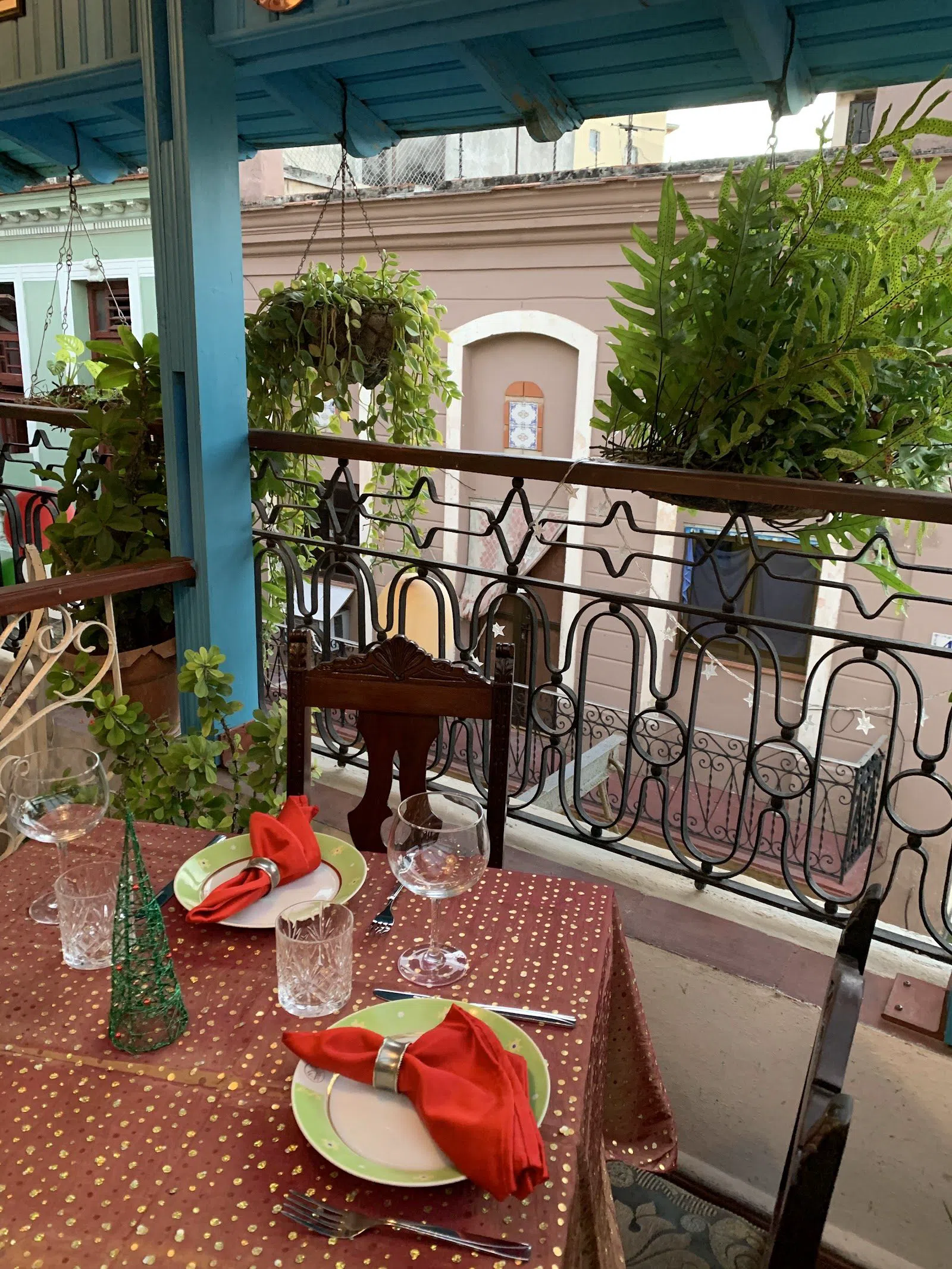
두 번의 저녁, 두 가지 다른 선택. 전망보다는 요리로 승부한다면 이반 세프 후스토(Iván Chef Justo) (올드 하바나, 차콘 근처)가 구시가지에서 가장 강력한 테이블입니다. 셰프가 이끄는 주방에서 그날 아침 들어온 신선한 식재료를 사용하며, 주변 건물 대부분보다 오래된 집에 자리 잡고 있습니다. 메인 요리는 약 US$15-25이며, 돼지고기 통구이와 생선 요리가 시그니처입니다. 그룹은 위층으로 안내되지만 건물이 오래되고 좁으므로 6명 이상은 사전 예약이 필요합니다.
또 다른 선택지는 라 과리다(La Guarida) (센트로 하바나, 콩코르디아 거리)로, 25년간 현대 쿠바 요리의 기준을 제시해 왔으며 여전히 도시에서 1위로 평가받고 있습니다. 3층 높이의 텐트멘트 건물에 빨래가 널린 무너져 가는 대계단은 그 자체로 걸어 올라갈 가치가 있지만, 이곳이 오래도록 사랑받는 이유는 주방입니다. 메인 요리는 약 US$20-35이며 더 높은 가격의 테이스팅 메뉴도 있습니다. 현금만 가능하며 미국 달러, 유로, 쿠바 페소를 받습니다. 이메일이나 왓츠앱으로 몇 주 전에 예약해야 하며, 인터넷이 몇 시간씩 끊기는 경우가 많아 답변이 느릴 수 있습니다. 예약은 필수입니다. 식당은 작아서 8명 이상은 테이블을 나눠서 앉아야 하며, 그보다 많은 인원이라면 옥상 바 미라도르(Bar Mirador)가 식당보다 훨씬 그룹을 잘 수용합니다.
지하에서 끝나는 베다도의 밤
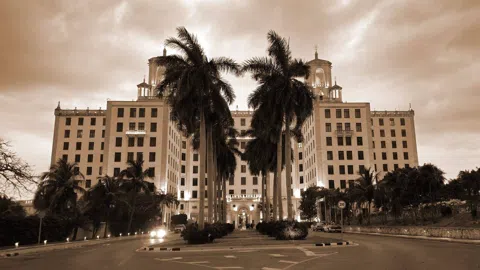
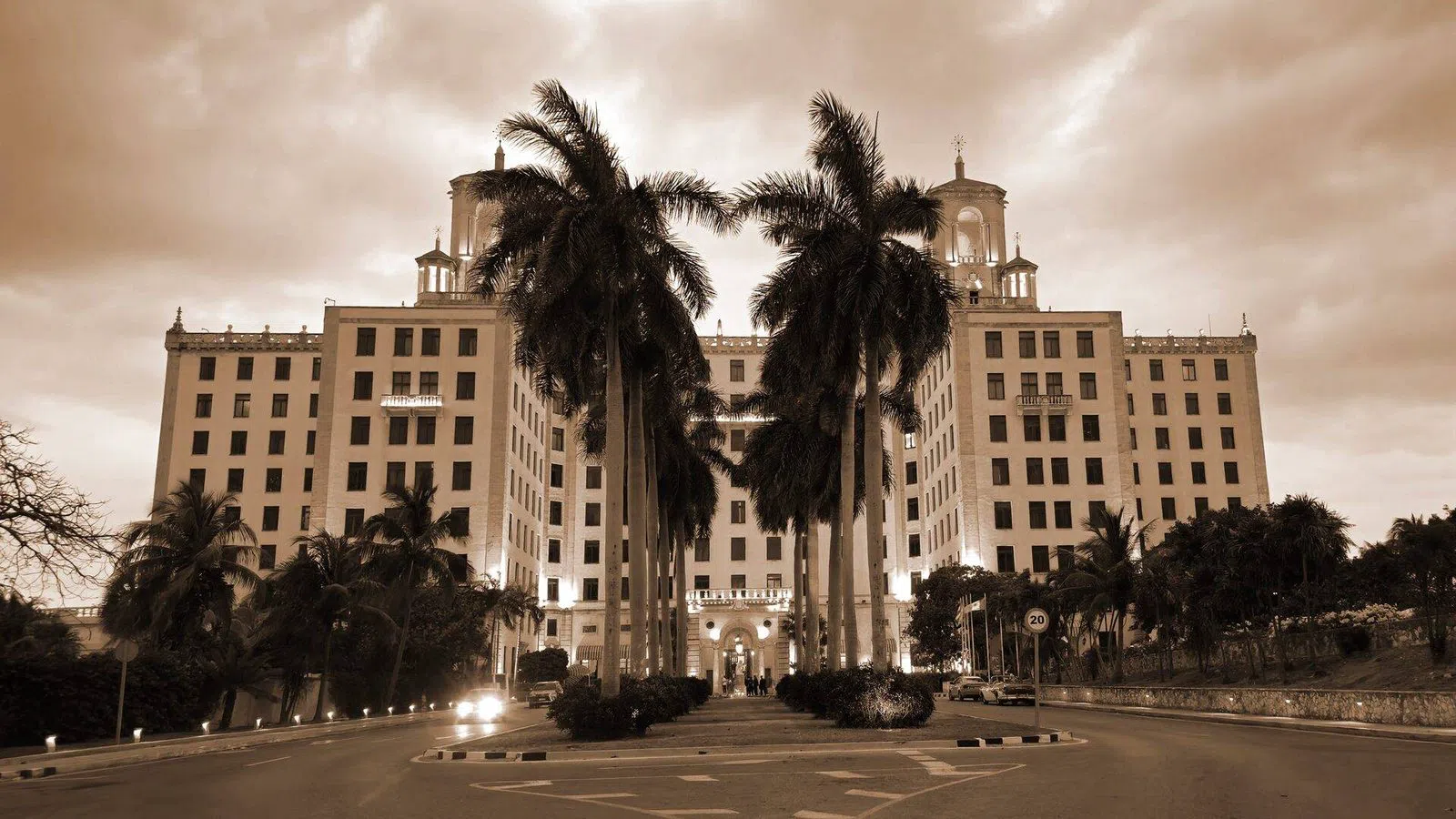
두 번째 저녁은 베다도에 할애하세요. 이곳은 구시가지보다 더 넓고 푸르며 사진에 덜 찍히는 곳입니다. 호텔 나시오날 데 쿠바(Hotel Nacional de Cuba) (베다도, 말레콘 위)의 테라스에서 시작하세요. 럼이나 커피 한 잔은 거의 공짜에 가깝고, 방파제 위로 지는 석양은 도시에서 가장 좋은 무료 전망입니다. 테라스는 예약이 필요 없습니다. 호텔의 카바레 파리지앵(Cabaret Parisien)은 금요일부터 일요일까지 운영하며 오후 9시 입장, 오후 10시 공연입니다. 공연만 보거나 저녁을 포함해 약 US$40-75이며, 그룹 예약은 호텔 공식 사이트를 통해 진행합니다. 미국 여행자는 나시오날이 미국의 금지 숙소 목록에 포함되어 있어 숙박은 제한되지만, 테라스나 카바레 방문에는 제한이 없다는 점을 알아두세요.
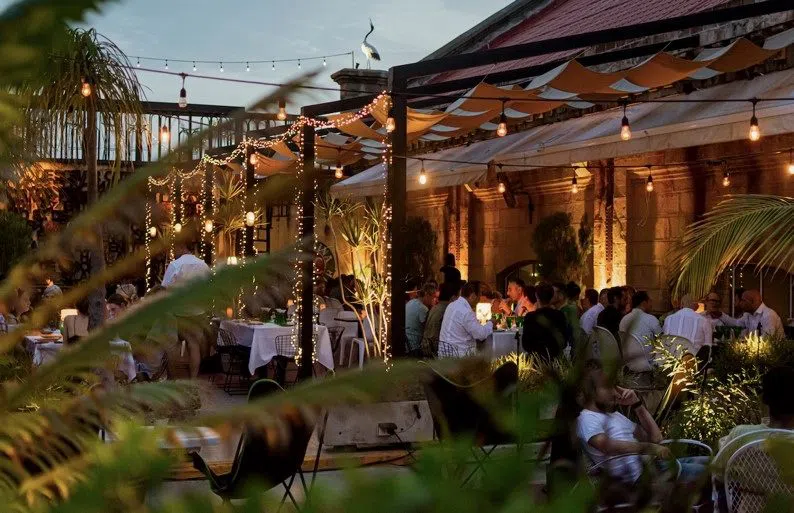
저녁은 엘 코시네로(El Cocinero) (베다도, 칼레 26)에서 먹습니다. 식용유 공장을 개조한 이곳의 옥상 테라스는 이 지역에서 가장 가성비가 좋은 옥상입니다. 스타터 US$3.50-10, 메인 US$15-30, 칵테일 US$4-9이며 매일 정오부터 자정까지 영업합니다. 왓츠앱 +53 58420160 또는 사이트 양식으로 예약하고, 실내가 아닌 테라스 자리를 요청하세요. 또한 그룹을 데려오기 가장 쉬운 하바나의 식당이기도 합니다. 유명한 이웃인 파브리카 데 아르테 쿠바노(Fábrica de Arte Cubano)는 2026년 6월부터 운영을 중단했으므로, 옆집으로 이동할 것이라고 생각하지 말고 엘 코시네로를 중심으로 밤을 계획하세요.
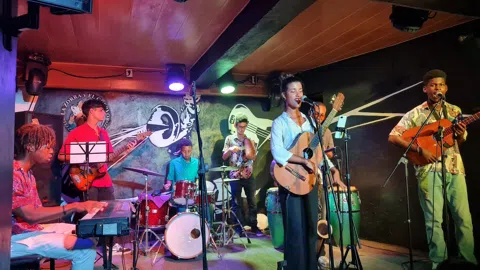
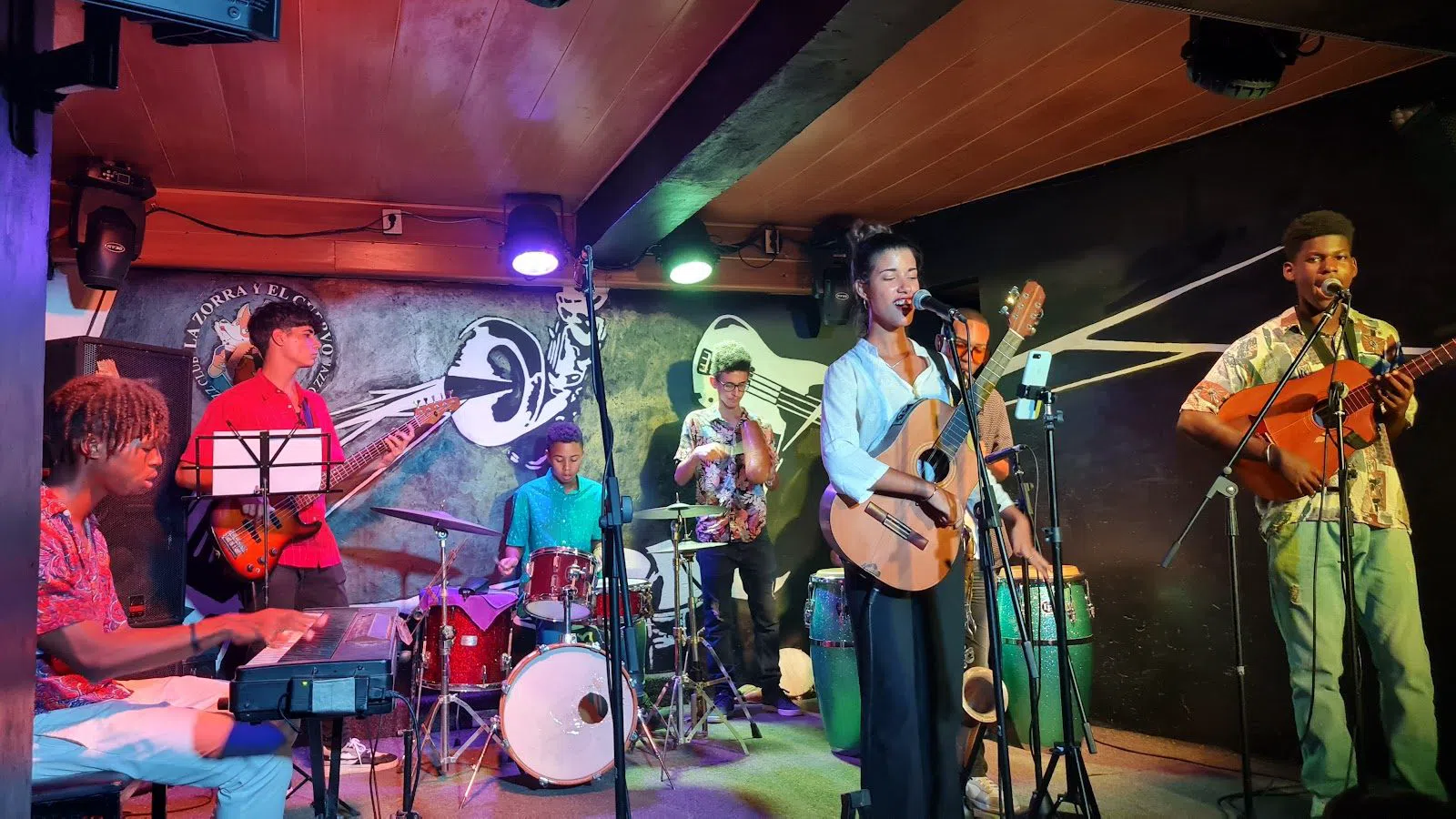
파브리카가 문을 닫았으니, 믿을 만한 늦은 저녁 장소는 라 소라 이 엘 쿠에르보(La Zorra y el Cuervo) (베다도, 라 람파)입니다. 하바나에서 진지한 재즈를 들을 수 있는 곳으로, 빨간 영국식 공중전화 부스를 통해 지하로 내려갑니다. 도시 최고의 연주자들과 해외에서 온 연주자들이 실제로 등장합니다. 워크인이며 커버 차지 약 US$10-15 (보통 음료 포함)이고, 대부분의 밤 공연이 있으며, 수요일은 아프로-쿠반 재즈입니다. 공간은 작습니다. 6명 이상은 공연 시작 훨씬 전에 도착해 함께 앉아야 하며, 늦게 오는 사람들은 뒤에 서야 합니다.
2일차: 당신보다 나이 많은 차를 타고
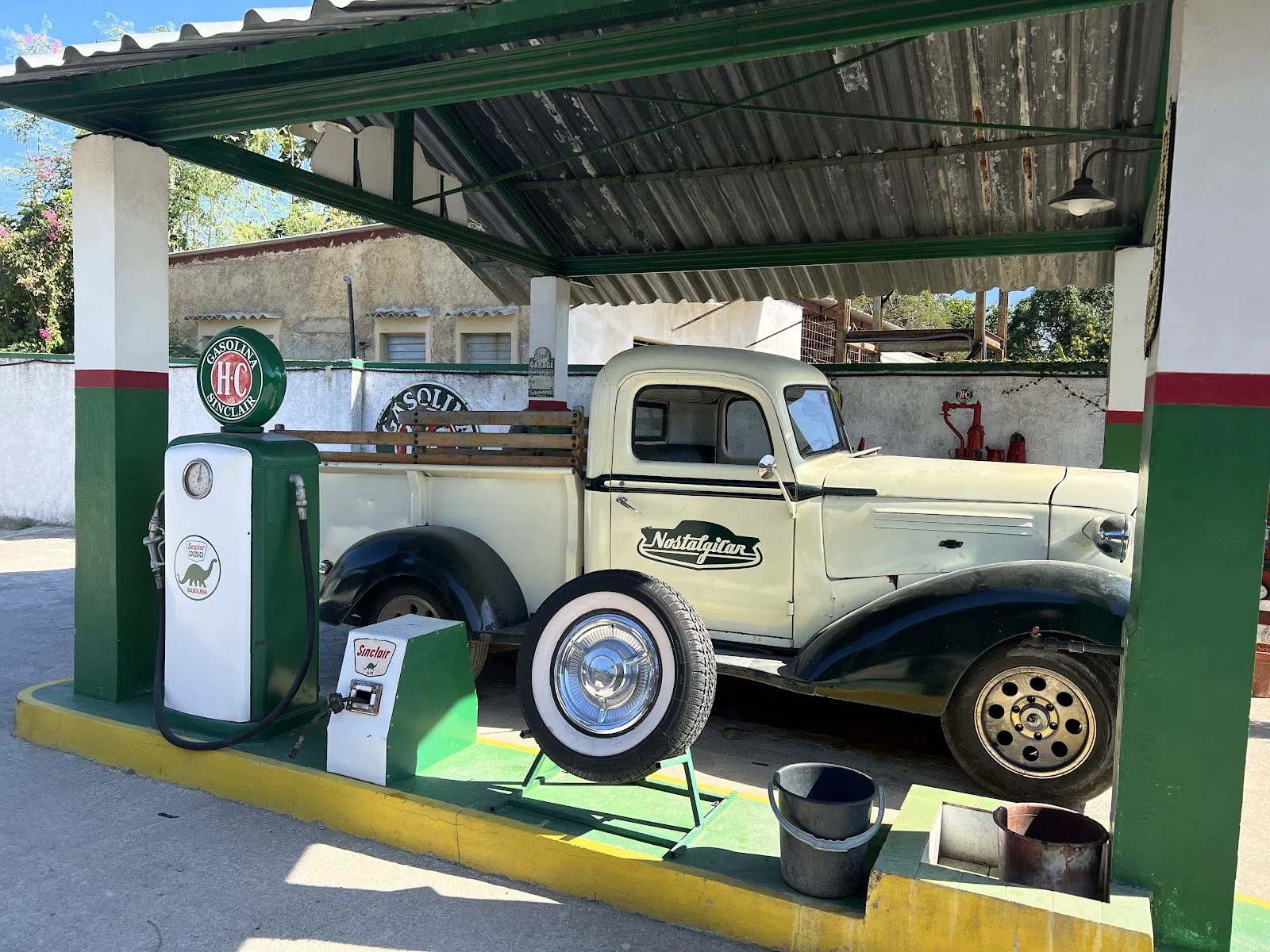
말레콘을 따라 달리는 컨버터블 시간은 현실과 맞닥뜨려도 살아남는 클리셰입니다. 길가의 호객 행위만 피하면 됩니다. 노스탈지카르(NostalgiCar) (플라야)는 훌리오 알바레스가 직접 복원한 차를 운영하는 곳으로, 처음 방문하는 차고 견학이 지붕을 연 택시와 차별화되는 부분입니다. 가이드가 포함된 2-3시간 투어는 차량당 약 US$90-120이며, 인당이 아니라 차량당 가격이라 4명에게는 가성비가 좋고 그룹에게도 훌륭합니다. 가이드와 함께 여러 대의 차량을 호위하는 경우가 많으며, 한 예약 사례에서는 9명이 세 대의 차량을 이용했습니다. 왓츠앱 +53 5 295 3842로 예약하세요.
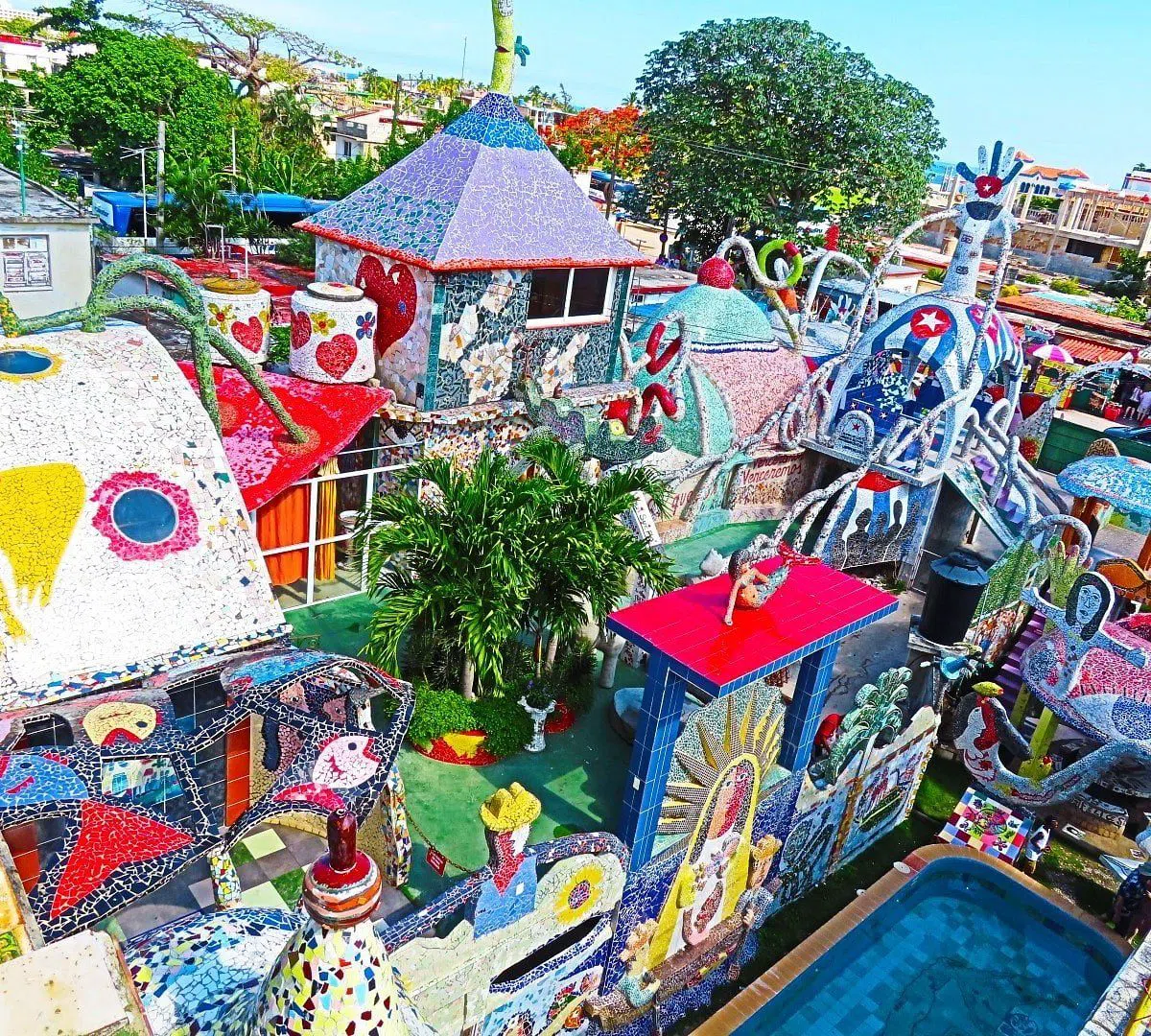
드라이브는 해안을 따라 20분 거리에 있는 푸스테를란디아(Fusterlandia) (하이마니타스, 플라야)로 향하세요. 호세 푸스테르가 50년간 자신의 집 타일을 붙이기 시작했고 이웃들의 집에도 계속 붙여서 결국 여러 거리가 하나의 연속적인 모자이크가 되었습니다. 자유롭게 걸어 다닐 수 있고 아침부터 오후 5시경까지 열려 있으며, 어떤 규모의 그룹에도 좋습니다. 스�디오에서 타일이나 프린트를 구매하려면 현금을 가져오세요.
일요일은 칼레혼 데 아멜의 날
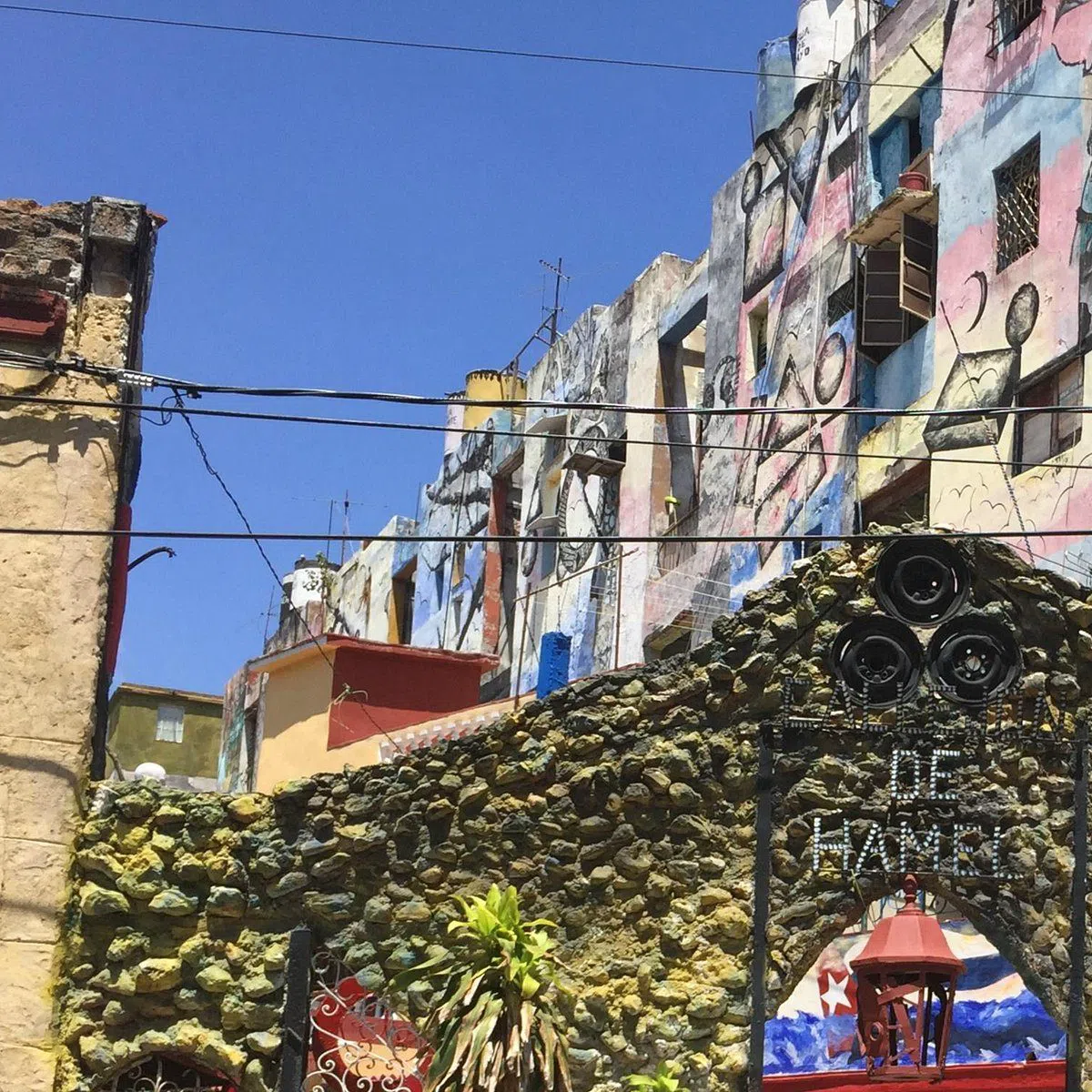
2박 중 일요일이 포함된다면 주간 일정을 비워 칼레혼 데 아멜(Callejón de Hamel) (센트로 하바나, 카요 우에소)에 할애하세요. 정오부터 시작되는 룸바는 방문객을 위해 연출된 쇼가 아니라 바리오가 수십 년간 유지해 온 실제 아프로-쿠반 의식이며, 그 차이는 귀로 분명히 느껴집니다. 무료이며(음악가에게 팁을 주세요. 음료는 몇 달러입니다) 매우 붐비므로, 일행이 여러 명이라면 일찍 도착하고 가방은 뒤가 아닌 앞에 두세요. 다른 날에 가면 골목은 살바도르 곤살레스의 벽화뿐이며 10분이면 충분합니다.
2박 도시 여행을 충분하게 만드는 계곡 하루
비냘레스는 2박 도시 여행이 여전히 효과적인 이유입니다. 독립적으로 가려면 하룻밤을 묵고 가방을 다시 싸야 하지만, 쿠반 어드벤처(Cuban Adventures)의 비냘레스 당일 여행은 하루만 투자하면 됩니다. 오전 8시부터 오후 6시까지 호텔과 카사 파르티쿨라를 픽업하며, 출발당 최대 12명으로 제한되고 쿠바 공휴일을 제외하고 매일 운영됩니다. 하바나-비냘레스 당일 여행의 일반적인 가격은 약 US$80-120이며 점심과 음료가 포함됩니다.
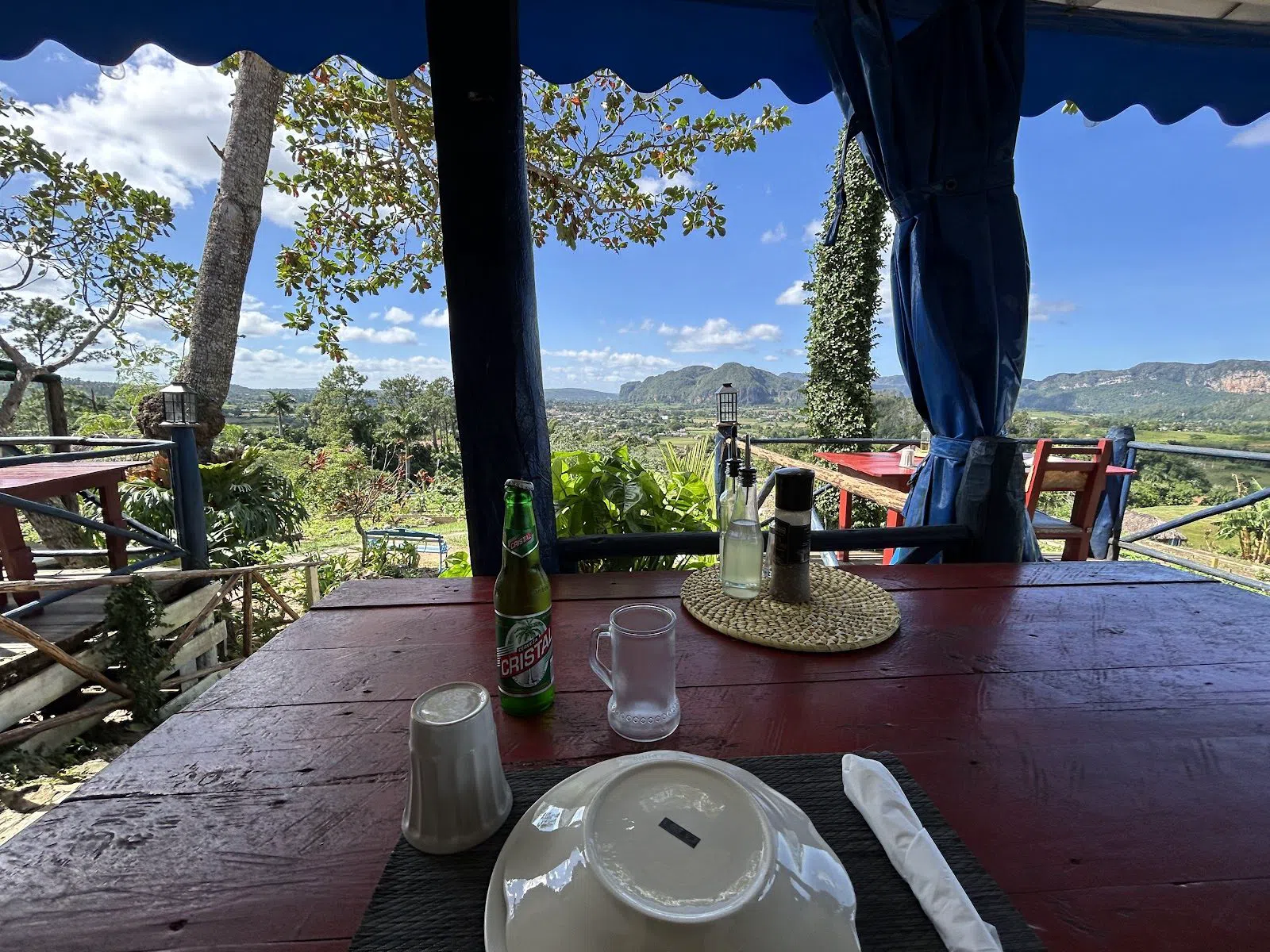
서쪽으로 가는 길은 비냘레스의 Mirador Los Jazmines에서 끝납니다. 계곡 위의 테라스로, 담배 밭 사이로 수직으로 솟은 석회암 언덕인 모고테를 볼 수 있습니다. 테라스는 외부인에게도 개방되어 있으며, 단체 규모에 관계없이 입장할 수 있고, 난간에 서서 보는 것은 무료이며, 호텔 바에서 음료는 몇 달러입니다. 일정이 허락한다면, 햇빛이 계곡 바닥에 드리우는 늦은 오후에 방문하세요.
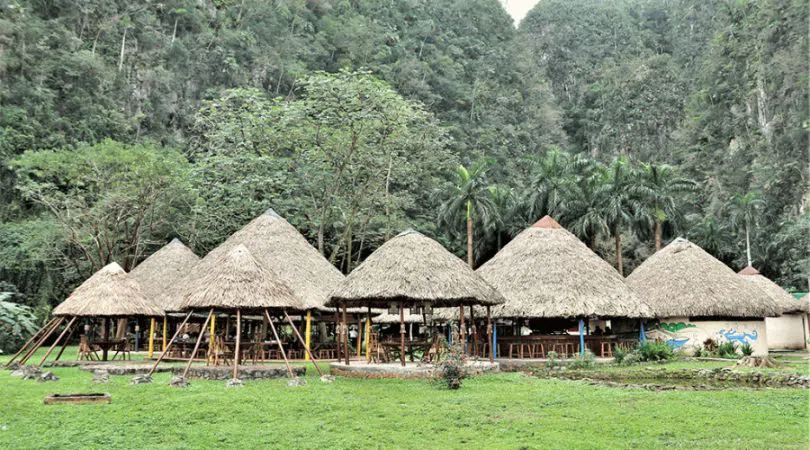
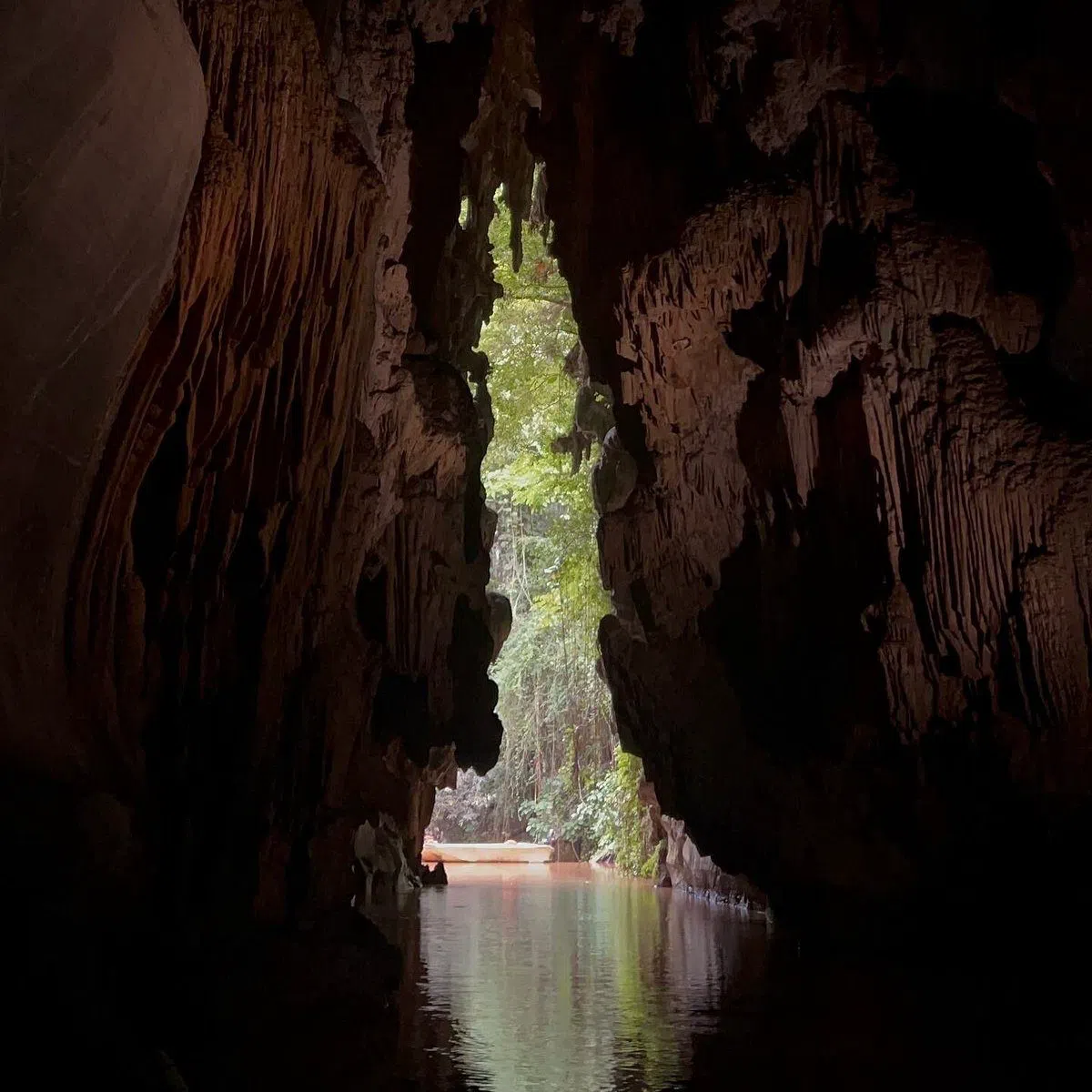
Cueva del Indio (비냘레스)는 유일한 실내 관광지로, 햇빛을 피해 20분 정도 쉬어갈 수 있는 곳입니다: 동굴을 따라 짧은 산책 후 지하 강을 따라 보트를 타는 코스로, 요금은 몇 달러이며 보트 포함입니다. 오전 9시부터 오후 5시 30분까지 운영합니다. 보트는 소규모로 운행되므로 성수기에는 줄이 생기며, 대부분의 아바나 당일치기 투어에 이미 포함되어 있으니 두 번 결제하지 않도록 확인하세요.
점심은 비냘레스의 Finca Agroecológica El Paraíso에서 먹습니다. 가족이 운영하는 유기농 농장으로, 식사는 한 번에 수십 개의 그릇으로 나오며 테라스에서는 계곡이 바로 내려다보입니다. 세트 점심은 1인당 약 US$15-25이며, 랍스터와 돼지고기는 추가 비용이 들고, 하우스 음료(꿀, 럼, 정원에서 난 수십 가지 허브를 섞은 안티-칵테일)는 주문할 가치가 있습니다. 긴 공용 테이블과 가족식 서비스로 단체 여행객을 위해 설계되었지만, +53 5 818 8581로 전화하거나 페이스북 메시지를 미리 보내는 것이 좋으며, 성수기에는 필수입니다.
현금, 자동차, 그리고 일정의 구성
현금을 충분히 가져오세요. 미국 은행에서 발급된 카드는 쿠바에서 전혀 작동하지 않으며, 다른 외국 카드는 신뢰할 수 없고, 이 경로에 있는 La Guarida를 포함한 여러 장소는 현금만 받습니다. 유로와 미국 달러를 깨끗하고 찢어지지 않은 지폐로 가져가는 것이 실용적입니다. 도착 시 충분한 금액을 환전하고, 팁, 동굴 입장권, 룸바 음료 값을 위해 소액권을 남겨두세요.
아바나 올드타운은 완전히 도보로 이동 가능하며 걸어서 다녀야 합니다. 올드타운과 베다도 사이는 택시를 타고 타기 전에 요금을 합의하세요. 미터기가 실제로 작동하지 않으니, 두 지역 사이의 짧은 이동은 보통 몇 달러입니다. 길가의 클래식 카 운전기사는 시간당 요금을 부르며, NostalgiCar의 차량별 요금이 같은 서비스에 대해 더 정직한 가격입니다.
시간 배분이 가장 중요합니다. 박물관은 가장 더운 시간대에, 옥상 테라스는 일몰 시간에, 재즈는 10시 이후에 배치하세요. La Guarida는 몇 주 전에 예약하고, El Cocinero와 El Del Frente는 하루 이틀 전에 WhatsApp으로 예약하며, 비냘레스 여행은 도착 전에 예약하세요. 통신 상태가 좋지 않아 답장이 하루 걸릴 수 있으므로. 호텔 외에서 식사와 음료를 잘 즐기는 두 사람 기준으로 하루 약 US$100-150을 예산으로 잡고, 당일치기 여행과 차량 이용 시간을 추가로 고려하면, 이 일정에서 어디에서도 비용을 아낄 필요가 없습니다. 지구, 계절, 그리고 3박을 추가할 때 볼 만한 다른 것들에 대한 자세한 내용은 더 넓은 아바나 가이드를 참조하세요.
떠나기 전에
아바나에서 이틀이면 충분한가요?
도시 자체만 보면 충분합니다. 아바나 올드타운은 오후에 걸어서 둘러볼 수 있고, 올드타운에서 하루 종일 도보로 둘러보고 베다도에서 하룻밤을 보내면 광장, 박물관, 팔라다레스, 옥상, 라이브 재즈를 모두 경험할 수 있습니다. 해변이나 두 번째 주를 원한다면 2박으로는 부족하며, 그래서 대부분의 짧은 여행은 아바나에서 3박을 하는 대신 비냘레스 당일치기를 추가합니다.
아바나에서 비냘레스로 당일치기 여행이 가능한가요, 아니면 하룻밤을 묵어야 하나요?
당일치기 여행으로 충분합니다. Cuban Adventures 같은 운영사는 호텔과 카사 파르티쿨라레스에서 오전 8시부터 오후 6시까지 문 앞까지 픽업하여 최대 12명까지, 담배 농장, 마을, Cueva del Indio, 전망대, 농장 점심을 포함하여 1인당 약 US$80-120의 가격에 제공합니다. 하룻밤을 묵으면 새벽과 황혼의 계곡을 볼 수 있지만, 이미 예약한 아바나의 숙박비와 짐을 다시 싸는 수고가 추가됩니다.
아바나에 얼마나 많은 현금을 가져와야 하며, 어떤 통화가 좋을까요?
현금을 전부 가져오세요. 미국 은행에서 발급된 카드는 쿠바에서 사용할 수 없고, 다른 외국 카드도 신뢰할 수 없으며, La Guarida 같은 곳은 현금만 받습니다. 유로나 미국 달러를 깨끗하고 찢어지지 않은 지폐로 가져오는 것이 실용적입니다: 도착 시 페소로 환전하고, 택시비, 팁, 입장료를 위해 소액권을 남겨두세요. 두 사람이 식사와 음료를 잘 즐기며 하루에 약 US$100-150를 예산으로 잡고, 투어와 렌터카 비용은 별도로 생각하세요.
Fábrica de Arte Cubano는 2026년에 문을 열까요?
아니요, 2026년 6월부터 운영을 중단했으므로 그 주변으로 저녁을 계획하지 마세요. 베다도의 바로 옆 이웃인 El Cocinero는 매일 정오부터 자정까지 영업하며 그 자체로 방문할 가치가 있고, La Rampa에 있는 La Zorra y el Cuervo는 그 부재 중에 믿을 수 있는 야간 음악 공연장으로, 커버 차지가 US$10-15이며 보통 음료 한 잔이 포함됩니다.
미국인 여행자가 Hotel Nacional de Cuba를 방문할 수 있나요?
방문은 가능하지만 숙박은 할 수 없습니다. 이 호텔은 미국 금지 숙박 시설 목록에 올라 있어 미국인 여행자가 그곳에서 객실을 예약하는 것을 제한하지만, 커피 한 잔 값으로 일몰 때 테라스에 앉는 것, 또는 금요일부터 일요일까지 9pm에 문을 여는 Cabaret Parisien 티켓을 사는 것을 막지는 않습니다. 쇼만 보는 티켓은 약 US$40부터입니다.