The Havana issue
Havana in October, When the Heat Finally Lets Go
The month Havana's rooftops, ballpark and Sunday rumba all work at once, and how to plan a first trip around the afternoon rain.
By Oliver NashReading Havana barrio by barrio
By the first week of October the tar on the Malecón has stopped throwing heat back at you by mid-morning, and the breeze that spent August pinned somewhere out past the harbour mouth comes back over the sea wall in the afternoon. Rooftops that were unusable eight weeks earlier fill up again, the domino tables come out onto the pavement before dusk rather than after it, and the walk from Habana Vieja up to Vedado turns back into a pleasant hour instead of a test of endurance. October is not a quiet month in Havana, but it is the month the city was built for.
What October does to the city
The change is real but it is not dramatic. Daytime highs sit around 31°C at the start of the month and ease into the high twenties by the end; the difference you feel is in the nights, which drop into the low twenties and stop being humid at three in the morning. That one shift reopens the roof terraces, the fortress ramparts and the open-air cabaret, all the parts of Havana that are technically available in August and miserable in it.
The trade is rain. October is statistically the wettest month of the year here, but the pattern matters more than the total. Mornings are usually clear and bright, cloud builds through the early afternoon, and the rain arrives as a hard, vertical downpour of about an hour somewhere between four and six o'clock, after which the streets steam and the evening clears. Plan the outdoor things for the morning (the beach, the tiled village out west, the Hemingway house) and keep a museum or a rum tour in your back pocket for the afternoon. Do that and the weather sets your schedule instead of ruining it.
Two honest caveats. Hurricane season runs to the end of November and October sits inside its active tail, so buy flexible flights and travel insurance and accept that a system can rearrange a few days. And the national grid is under strain, which means unannounced power cuts of several hours are normal across the city. Casas particulares and the larger hotels mostly run generators; smaller bars and clubs sometimes do not, and a venue can lose its programme at short notice. Carry a torch, a full power bank, and a second idea for every evening.
What you get in return is the low season. Restaurant tables that need a month's notice in January can be had in a week. Beaches that are shoulder-to-shoulder in July are half-empty on a Tuesday. And the ballpark opens.
Plan your Havana trip
Live prices from our booking partners.
Free cancellation on many rooms. We may earn a commission when you book.
Terraces, and the evening that starts on one
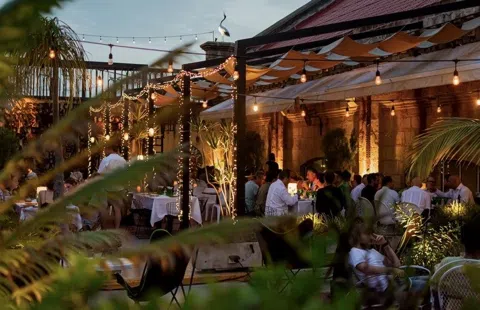
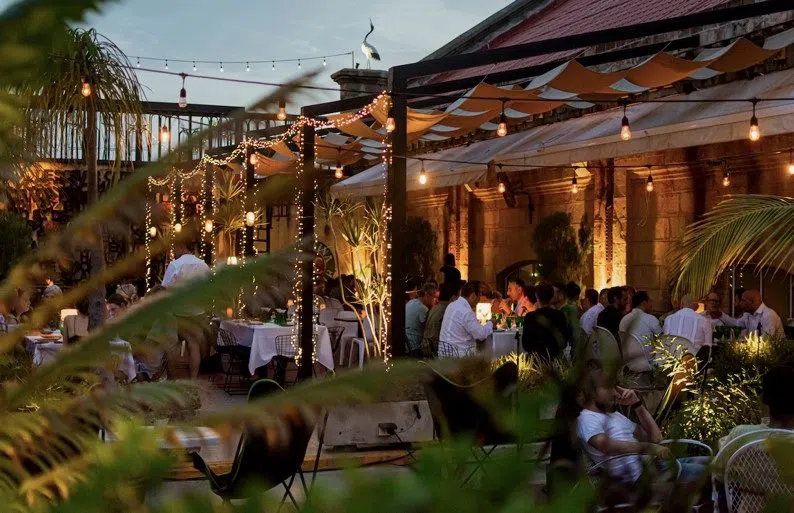
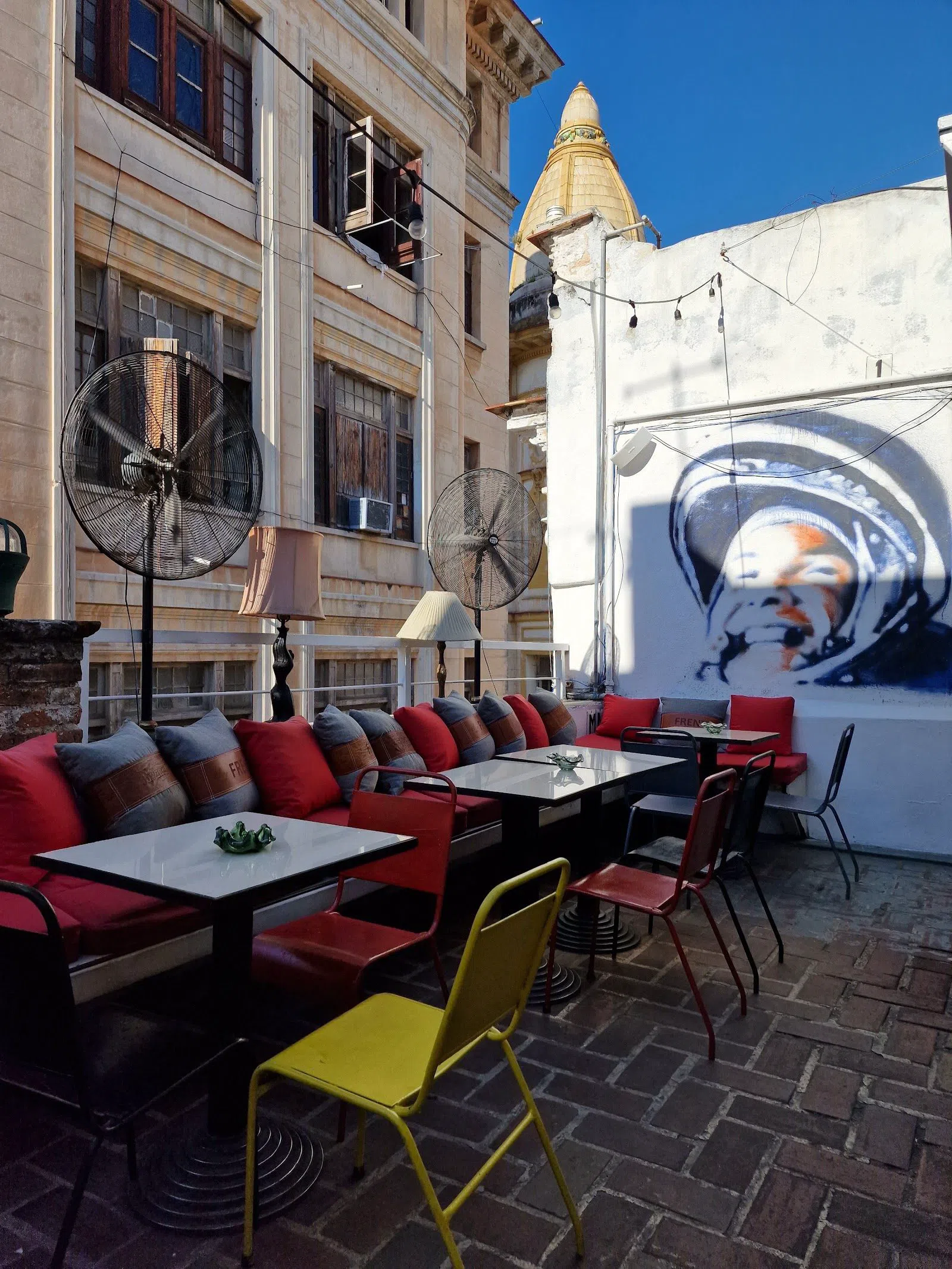
The easiest sundowner in the city is El del Frente (Habana Vieja), a small roof terrace on O'Reilly a few minutes' walk from Plaza Vieja. It is the best-run cocktail bar in the old town, cocktails around 5-8 USD, tacos and small plates 8-15, and there is no door policy to speak of. The catch is size: the terrace is tiny. Six to eight people are fine if you arrive early in the evening; any more than that and you should reserve or accept a wait on the stairs. Its sister kitchen, 304 O'Reilly, sits directly across the street and takes the overflow when the terrace is full.
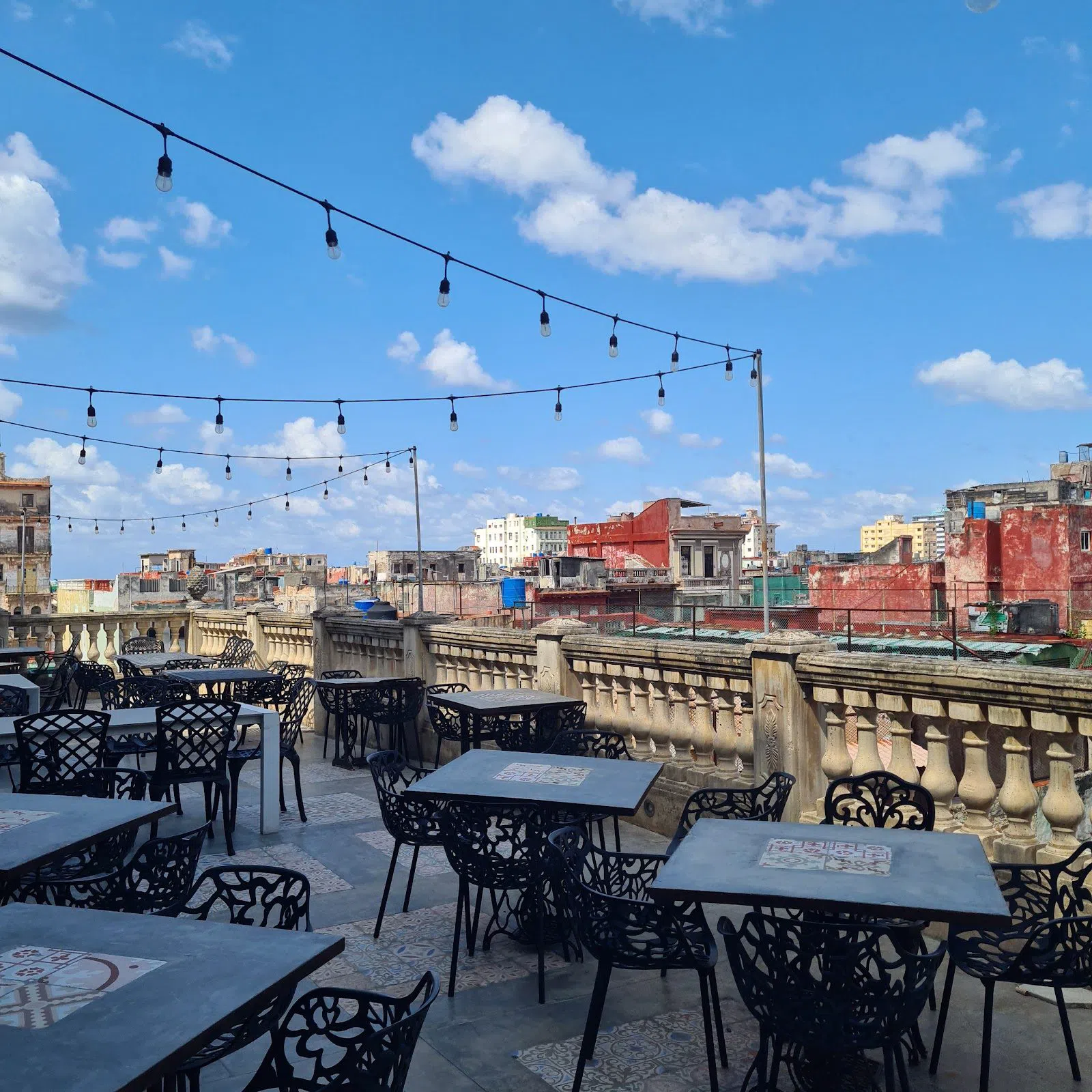
For the meal that anchors a trip, La Guarida (Centro Habana) is still the benchmark, and has been since it opened in 1996 in the crumbling tenement where Fresa y Chocolate was filmed. You climb a grand, half-ruined marble staircase past washing lines to get to it, and that is not a gimmick: people live there. Mains run roughly 20-35 USD and the tasting menus go higher, which makes it the most expensive dinner in this guide by a distance and worth it once. Book weeks ahead by email or WhatsApp. Their internet connection drops for days at a time, so confirm the booking twice before you fly, and confirm again when you land. Groups of more than eight should expect to be split between the roof terrace and the dining room; the rooms are small and there is no way around that.
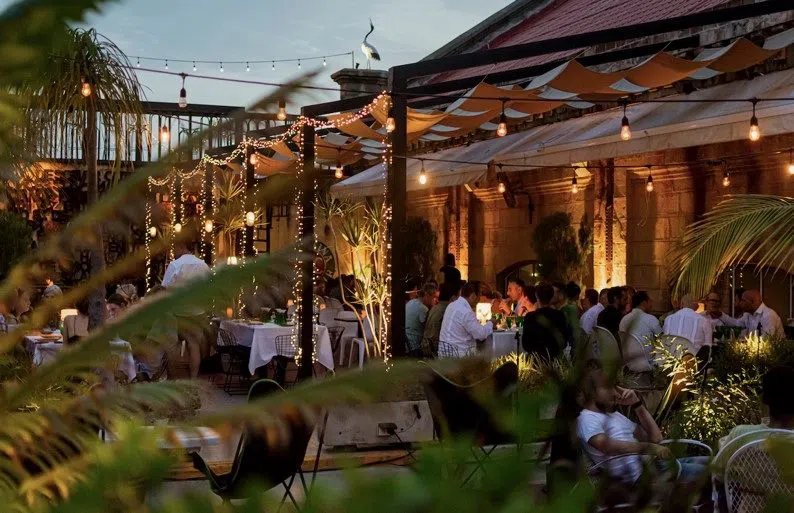
In Vedado, El Cocinero (Vedado) occupies the old peanut-oil factory with the brick chimney, and its roughly 200 m² roof terrace is the most reliable open-air room in that half of the city. Mains are 12-25 USD, it opens daily, and it is set up for groups: the terrace is rented out for events, and phone or WhatsApp reservations are worth making for anything close to sunset. One thing to know before you build a night around the block. The neighbouring Fábrica de Arte Cubano suspended its regular programming in June 2026, so El Cocinero is now carrying the whole corner on its own. Do not turn up expecting the gallery-and-club machine next door to still be running.
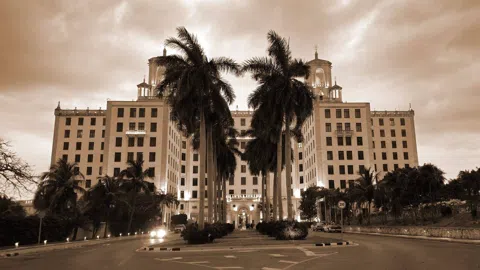
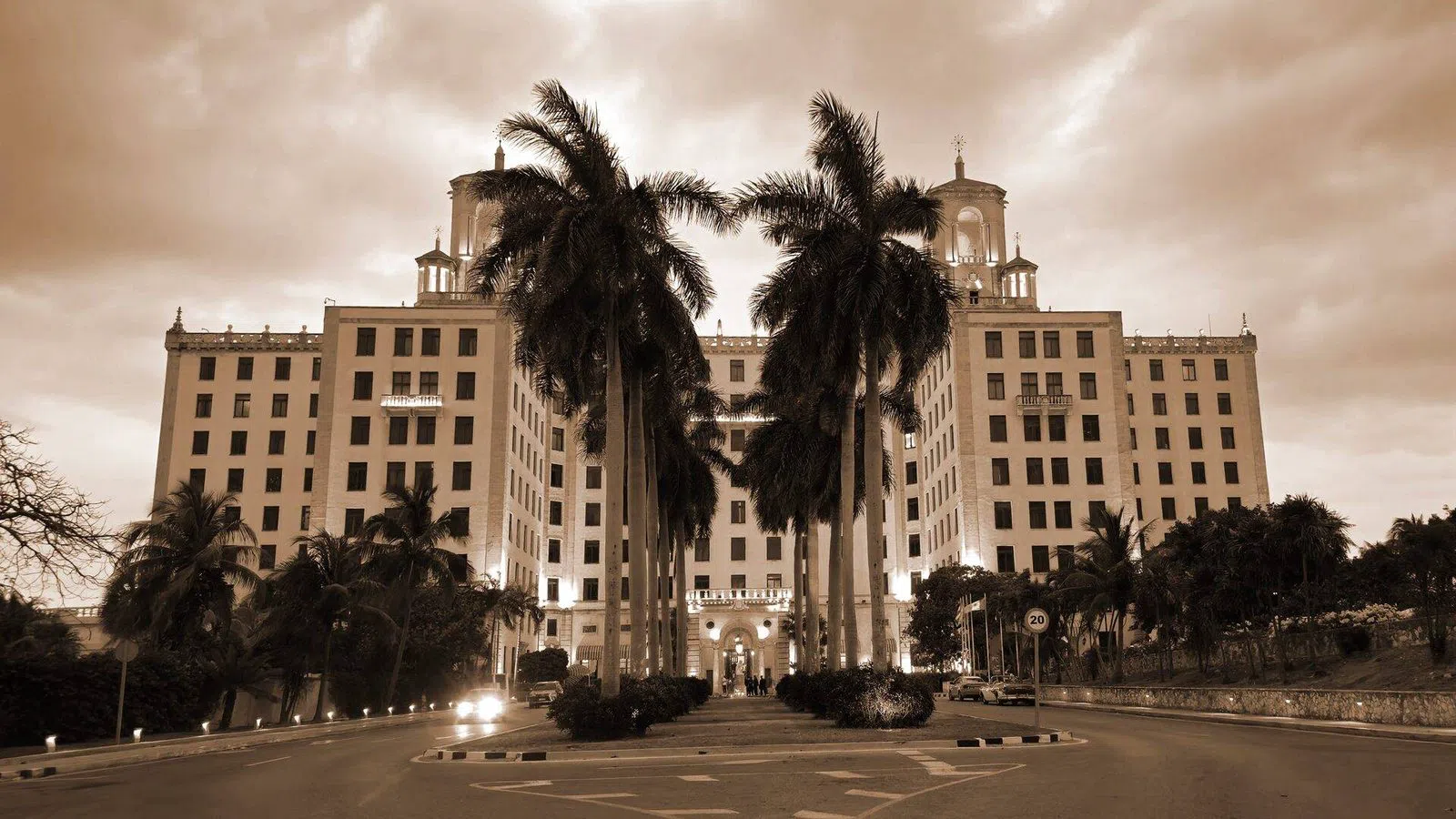
The other classic sit-down is Hotel Nacional de Cuba (Vedado), on the low cliff where the Malecón bends towards the Almendares. Non-guests are welcome to use the garden terrace and bars, and a mojito at one of the wicker chairs with the sea below you costs 5-10 USD. In August this is an endurance exercise; in October, with the breeze coming straight off the water at seven in the evening, it is the single most comfortable hour in Havana. Inside, the Salón 1930 runs dinner concerts several nights a week featuring Buena Vista Social Club veterans, a considerably bigger spend, and worth reserving ahead if you are more than a couple.
The music runs late and October makes that bearable
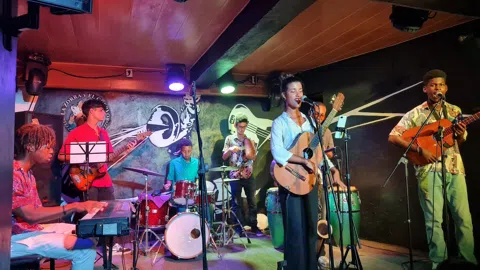
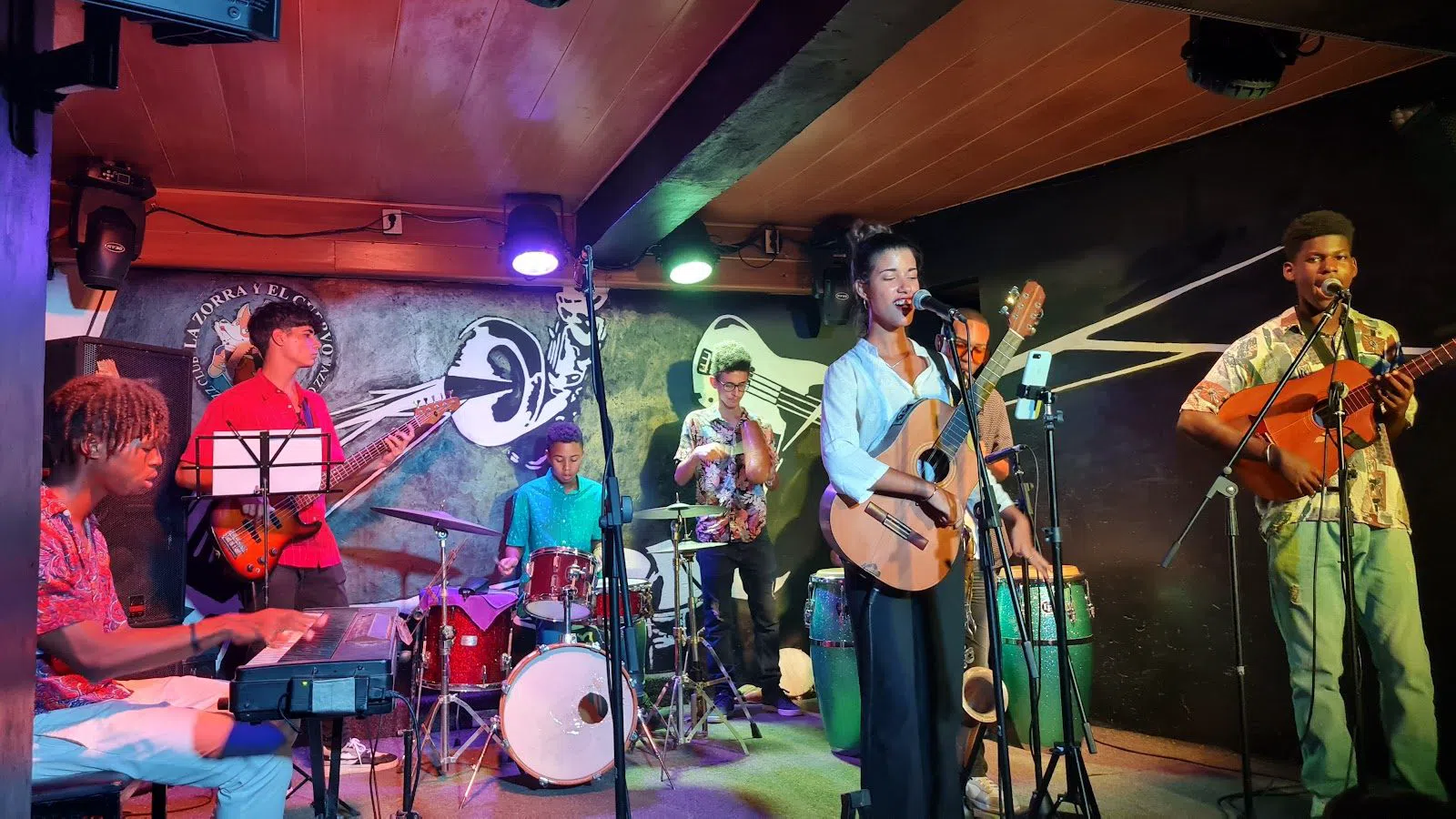
La Zorra y el Cuervo (Vedado) is the serious jazz room, entered through the red telephone box on La Rampa. It runs nightly from 22:00, the standard is conservatory-level, and the cover of roughly 8-14 USD usually includes two drinks. There are no reservations, so the queue forms on the street from about ten for the half-past set; in a normal summer that queue is a sweat, and in October it is a pleasant twenty minutes. The cellar itself is cool once the evening air drops, which is not a small thing in a basement with a full band in it.
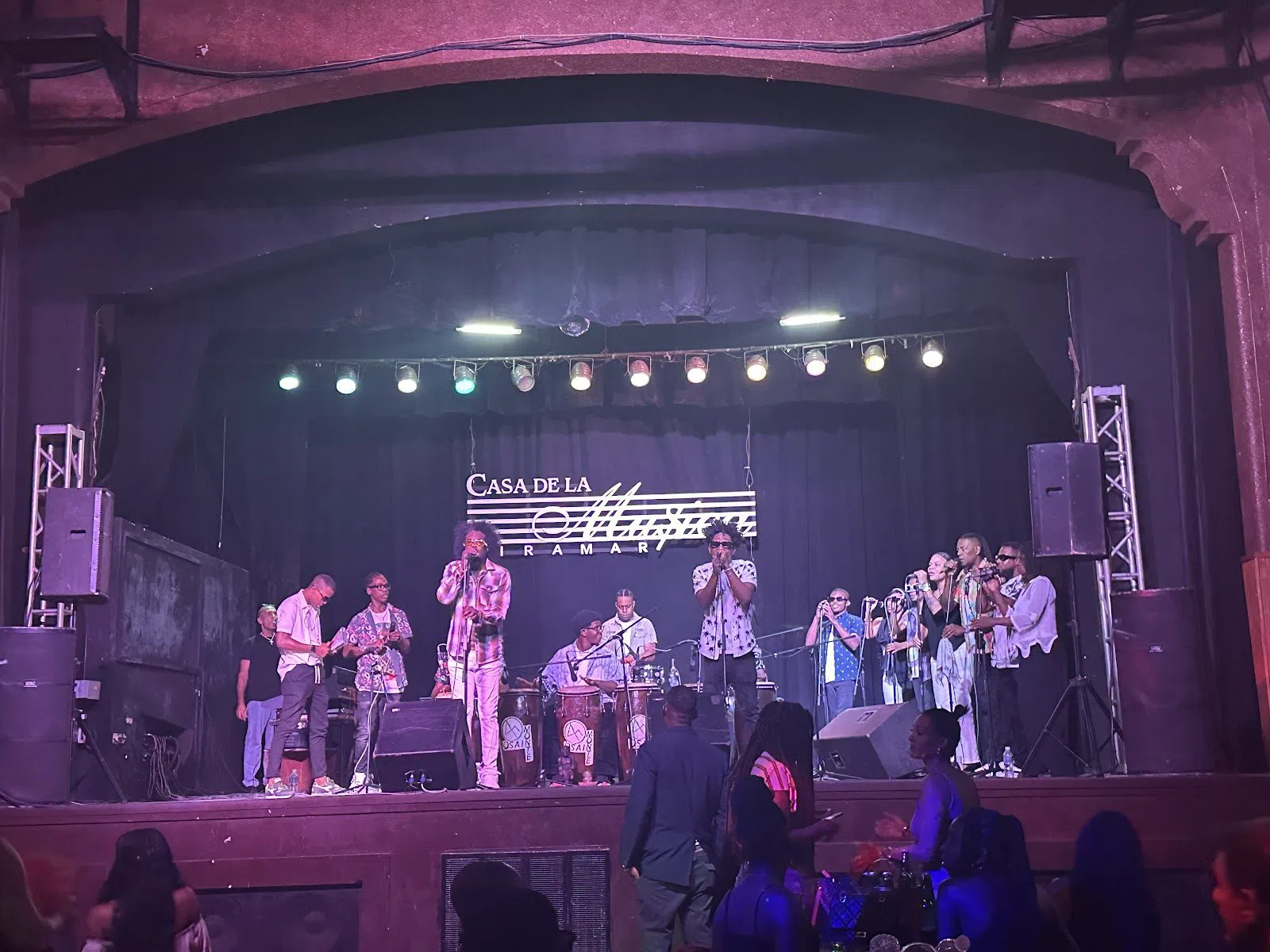
For dancing rather than listening, Casa de la Música de Miramar (Miramar) has been the city's temple of live salsa and son since the mid-nineties. It is a big hall with table service, built for crowds, and any size of group can simply walk up and pay at the door, typically 10-25 USD depending on who is playing. There are two sessions: a matinée at 17:00, which is where the local dancers are and which is the better introduction if you cannot dance, and the late one at 23:00 or 00:30. Check the night's billing locally on the day. Between band schedules and the grid situation, sets move or vanish at short notice, and the poster you saw online last week means very little.
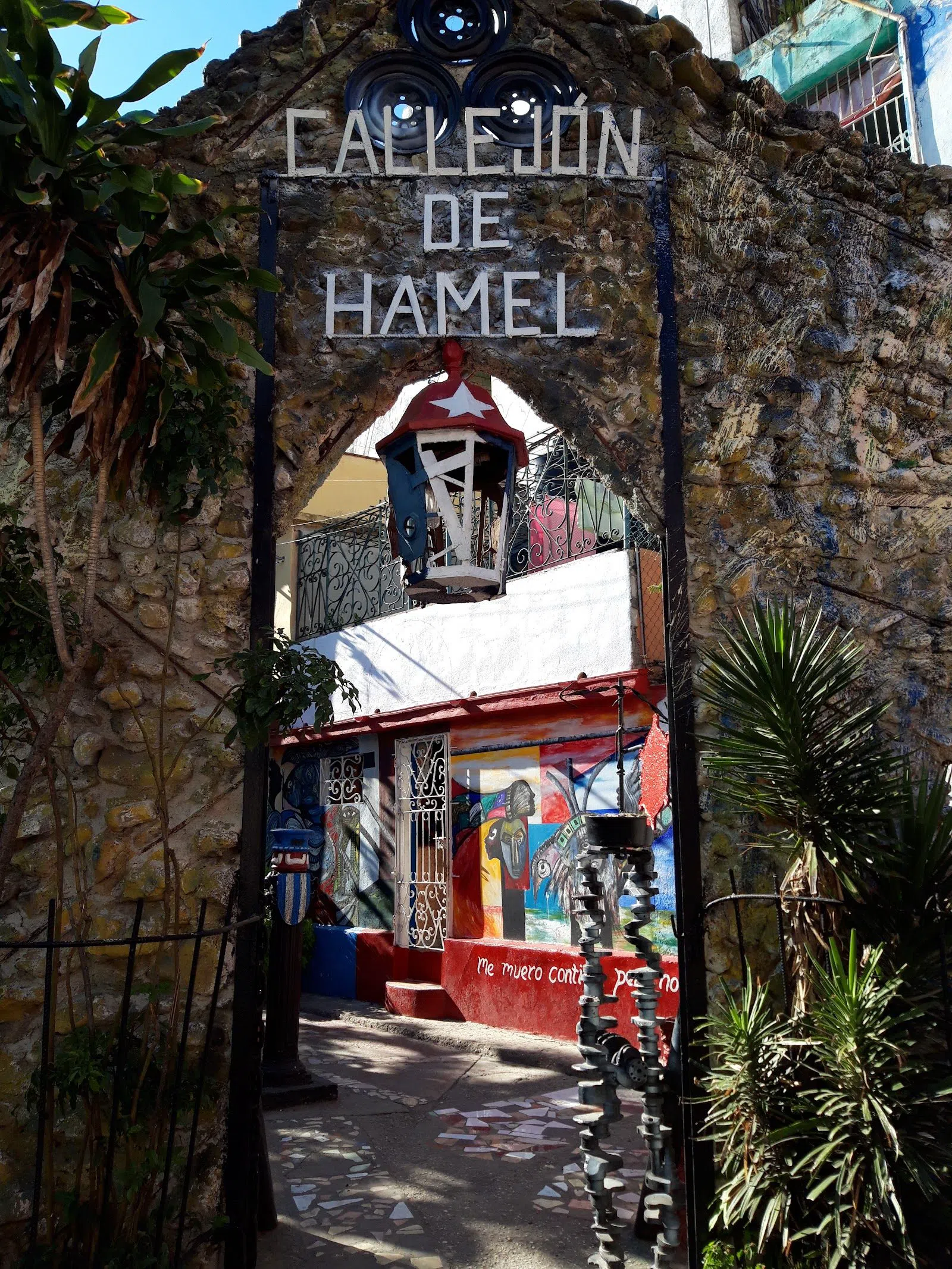
Sunday belongs to Callejón de Hamel (Cayo Hueso, Centro Habana), the alley Salvador González covered in murals and totems and which has run a rumba every Sunday for decades, driven by the neighbourhood rather than by the tour buses. It is free and open-air; tip the musicians and buy your drinks there. Arrive before noon. By one o'clock the alley is shoulder-to-shoulder and you will see the tops of heads and a lot of phone screens rather than the dancers. Keep your bag in front of you in the crush, which is standard practice rather than a warning about the area.
Two nights that belong to October
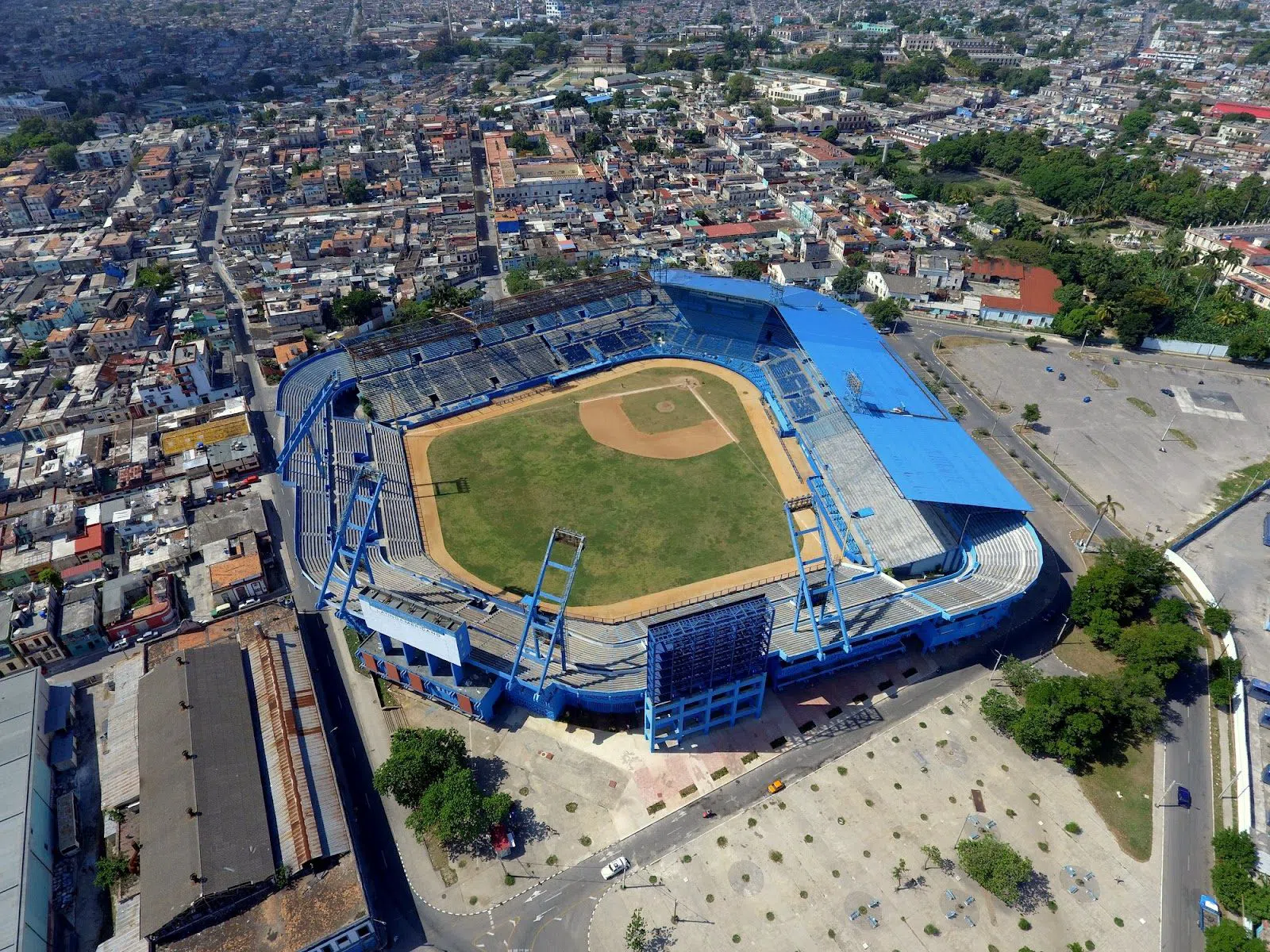
Estadio Latinoamericano (Cerro) is the reason to be here this month specifically. The 65th Serie Nacional starts on 4 October 2026 in a reduced format, which means October is the one window when a first-timer can reliably catch Industriales at home in the opening rounds. Seating is general admission with nothing assigned, the box office opens about an hour before first pitch, and entry costs a few dollars' equivalent, with foreigners paying a small multiple of the local price. Bring cash, turn up, sit where there is room. Any size of group works because nobody is booking anything.
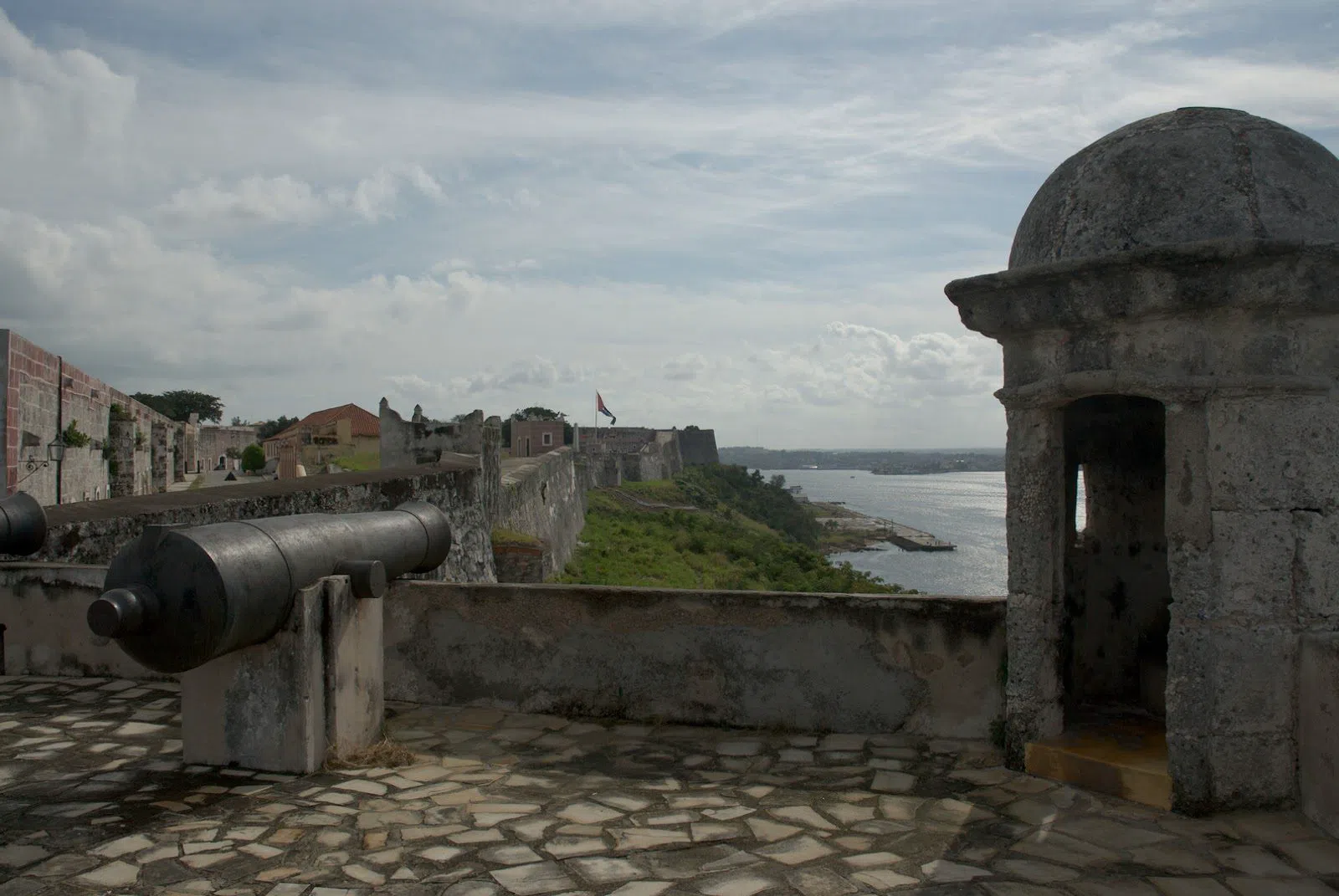
The other one is the Fortaleza de San Carlos de la Cabaña (across the harbour), where the Ceremonia del Cañonazo has marked the closing of the old city gates at nine o'clock since 1774. Soldiers in eighteenth-century uniform, a slow march along the ramparts, and one very loud cannon over the water towards the lit-up old town. Entry to the fortress is modest; going with an organised coach or classic-car tour costs more and solves the transport. Arrive by 20:15 to get a place on the rampart rather than behind three rows of shoulders. On a clear October night, with the harbour breeze up, it is the best-value evening in the city.
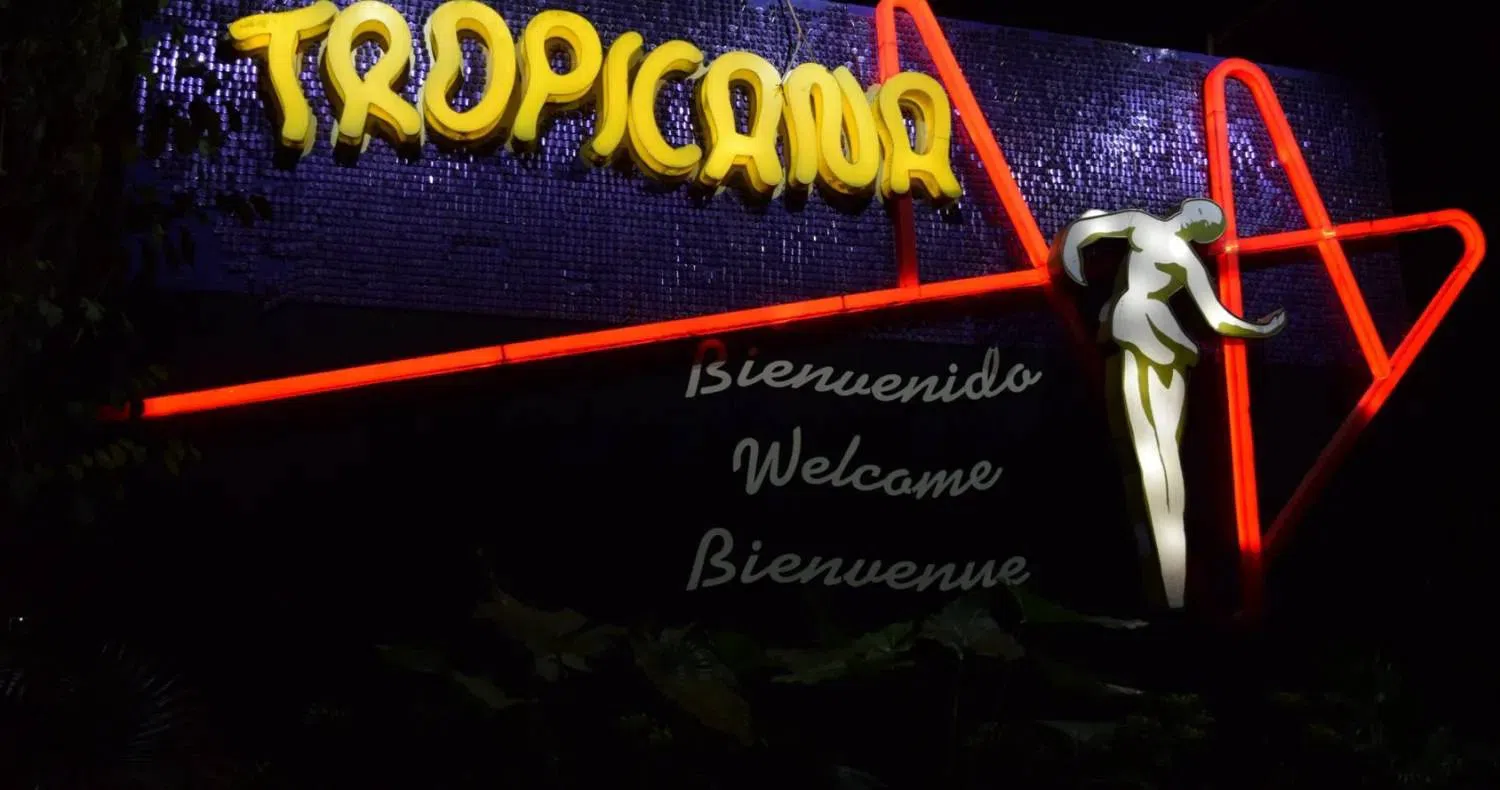
If you want the full-dress spectacle, Cabaret Tropicana (Marianao) has been running under the stars since 1939 and is unapologetically a coach-party operation: tiered seating categories, dinner add-ons, group transfers, all bookable in advance, at roughly 85-150 USD a head and more with dinner. It is impressive, and it is entirely open-air, which is the catch in the wettest month of the year. A wet or windy show is a washout. Book it on a clear forecast, late in your trip if you can, rather than pinning it to a fixed date months out.
Mornings on the edge of the city
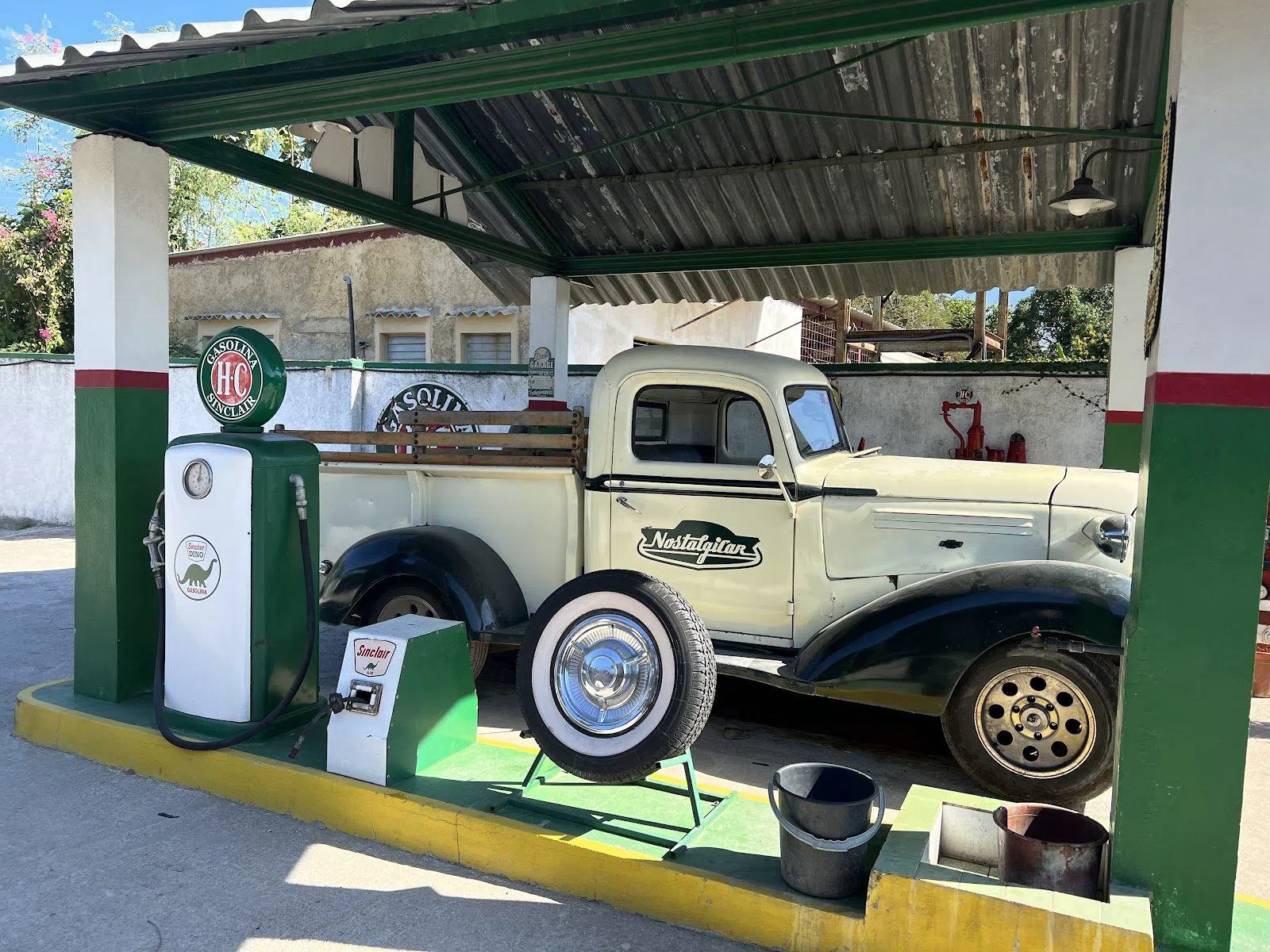
The classic-car ride is a cliché that survives because the honest version of it is good. NostalgiCar (city-wide pick-ups) is a family-run fleet run by Julio Álvarez and Nidialys Acosta; a city tour is roughly 50-100 USD per car, more for runs out of town, booked by WhatsApp, Messenger or email and paid to the driver in cash, with CUP, USD or EUR all accepted. Multi-car convoys are arranged for larger groups. The part people remember is the garage visit, where you see what keeping a 1955 convertible alive for seventy years without parts involves.
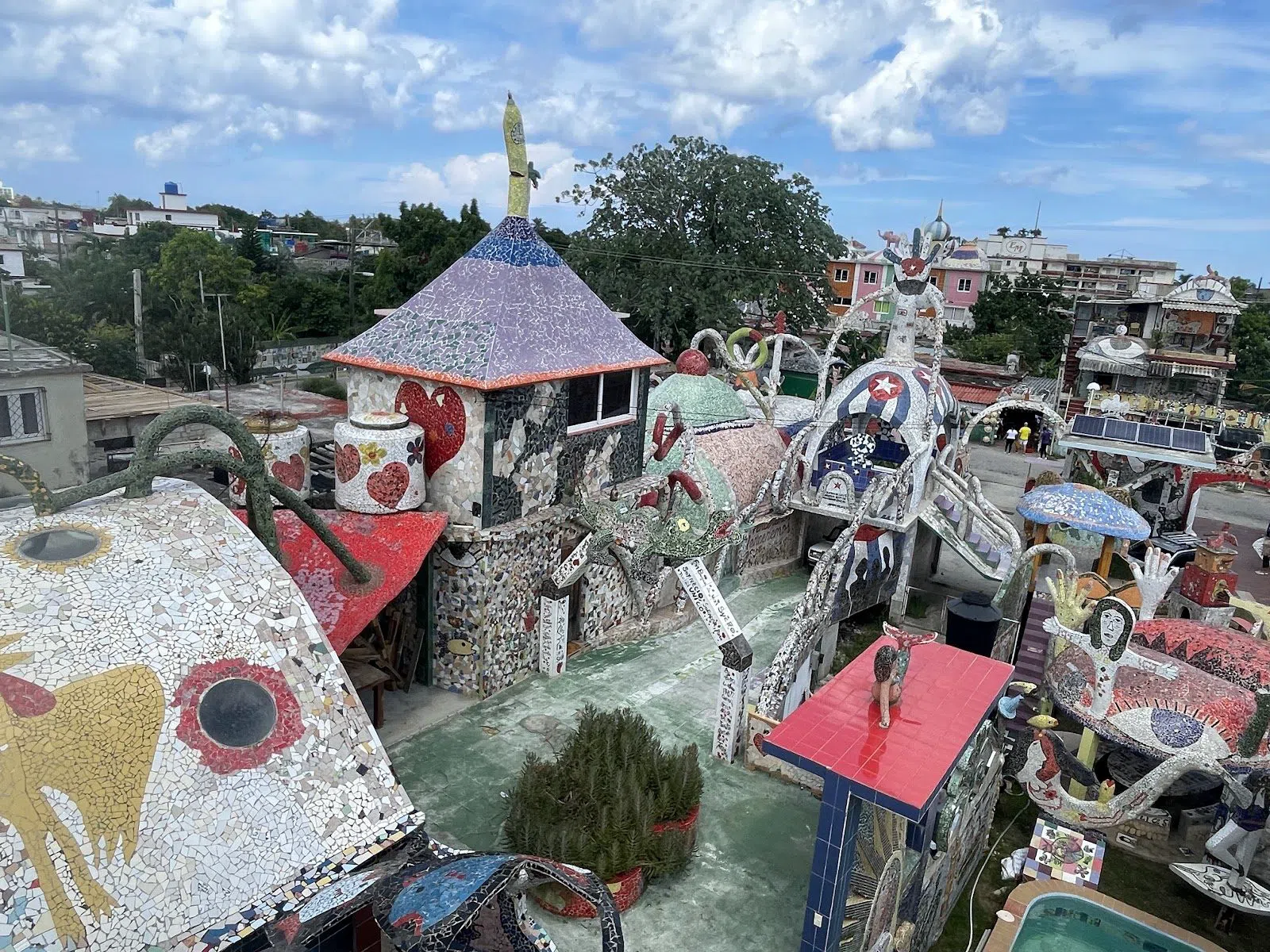
Point one of those cars west and you reach Fusterlandia (Jaimanitas), José Fuster's tiled village on the coastal edge of the city, where the artist spent decades covering his own house, then his neighbours' houses, then the bus stops and benches, in mosaic. It is free to wander the house and studio, open from morning until about five, and groups are simply welcomed in; artwork is for sale and the guide who walks you round should be tipped. It needs sun to work, and October mornings usually deliver before the afternoon cloud builds.
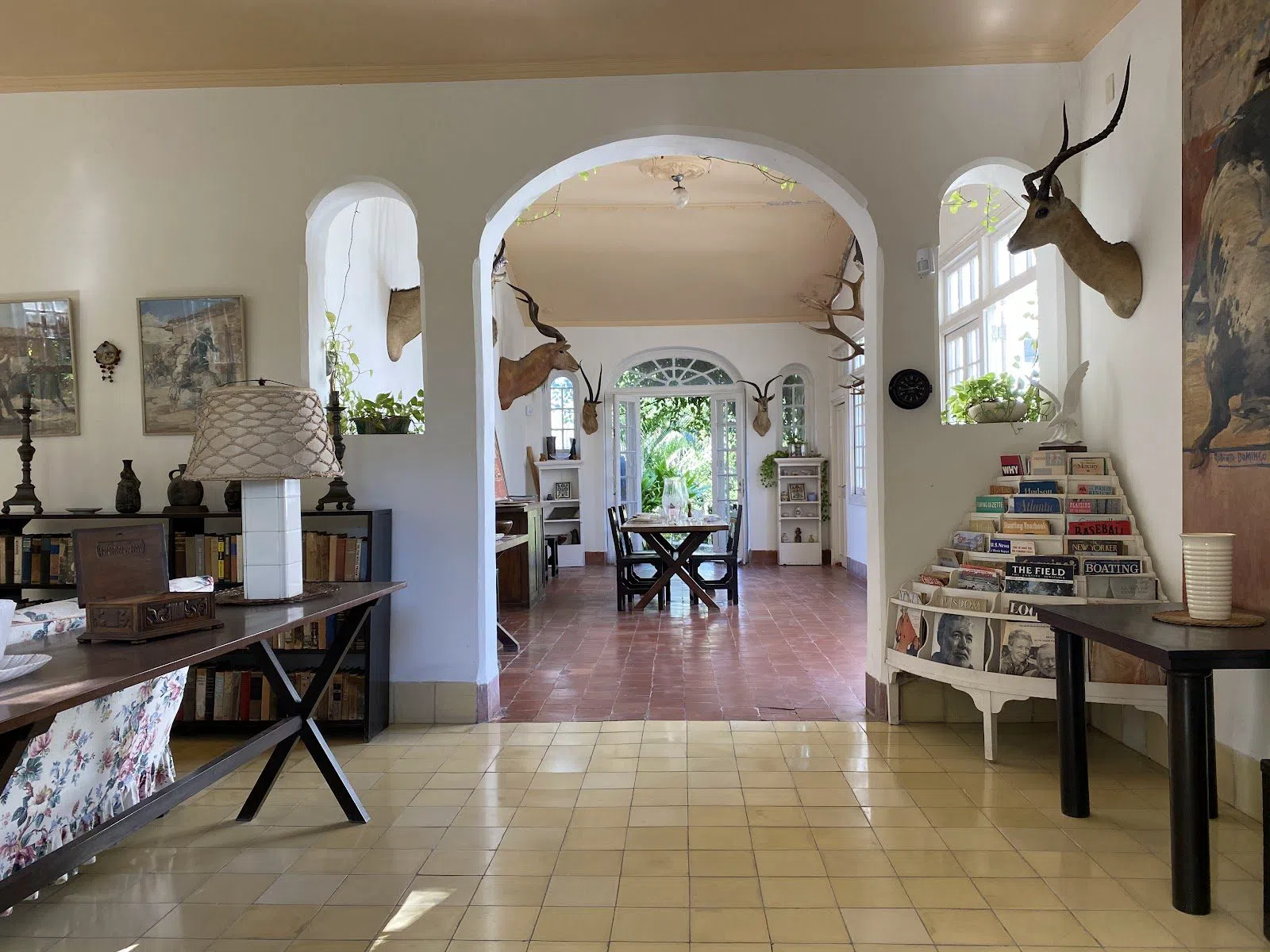
Fifteen minutes east instead, Museo Hemingway Finca Vigía (San Francisco de Paula) preserves the house exactly as it was left, down to the shoes and the drinks tray. You look in through the open windows rather than walking the rooms, which sounds like a disappointment and is not: parties rotate through quickly and the effect is oddly intimate. Mon-Fri 10:00-17:00, Sat 10:00-16:00, closed Sundays, around 125 CUP for adults. It shuts when it rains, so go on a clear morning and never on spec.
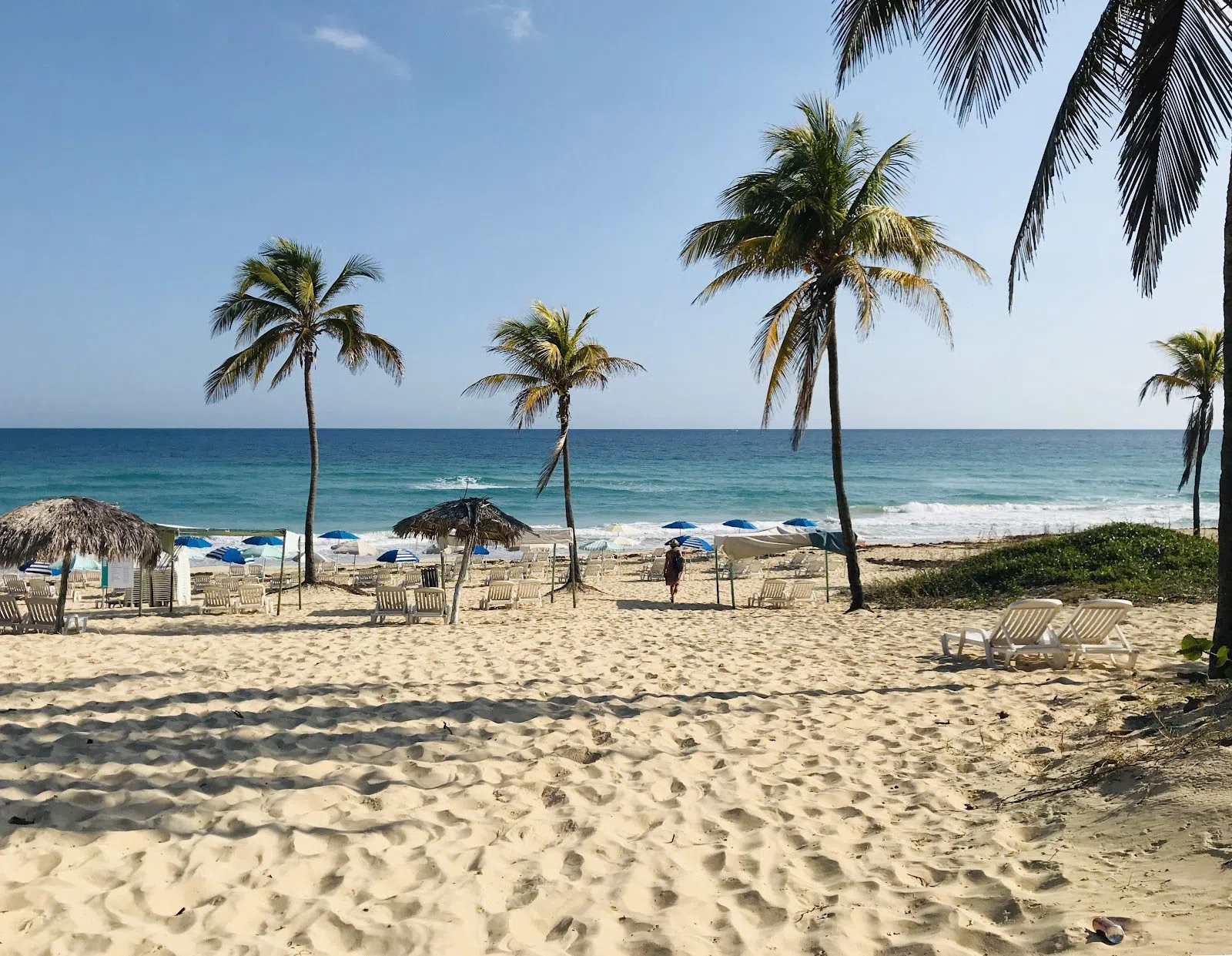
And then the beach. Playa Santa María del Mar (Playas del Este) is the main strand east of the city and the clearest argument for October over July: the sea is still bath-warm, the sand is walkable rather than scorching, and the weekday crowds have gone home. It is a public beach with no barrier to anyone; your casa host will arrange a taxi, which runs roughly 40-60 USD return for the car whether you fill it or not, so it is cheap split four ways and steep alone. Loungers and food are extra and cash-only.
Where to go when the sky closes in
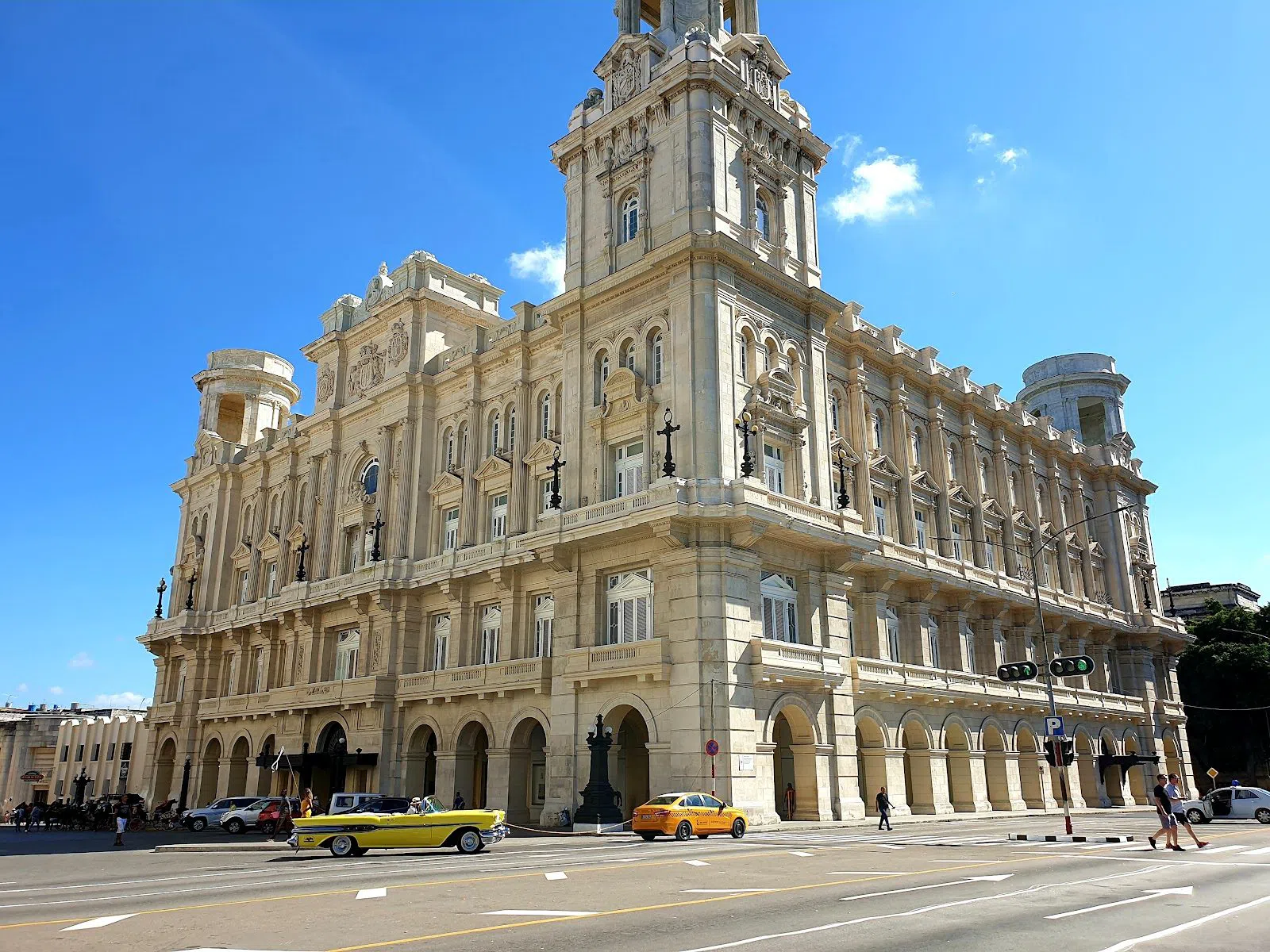
When the afternoon downpour parks itself over the city for two hours, the Museo Nacional de Bellas Artes — Arte Cubano (Habana Vieja) is the reliable fallback: the most complete collection of Cuban art anywhere, in the purpose-built modernist block near Parque Central. Tue-Sat 10:00-18:00, Sun 10:00-14:00, closed Mondays, entry in low single figures in dollar terms, and guided tours can be arranged at the desk without fuss.
The other rainy-afternoon option is Museo del Ron Havana Club (Habana Vieja), down on the harbour front. Guided tours leave every fifteen minutes in five languages, take about forty-five minutes, and end in a tasting of the seven-year-old. Basic entry is around 1,200 CUP; the premium ticket with a bottle is around 9,000 CUP, and the cocktail-making workshop is extra and is the best hour you can spend indoors in the old town while it hammers down outside. Open 09:30-17:30 daily; booking is advised.
A four-day shape that works around the weather
A first trip more or less arranges itself. Land, spend the first morning walking Obispo and the plazas, take the afternoon rain in the rum museum, and start the evening at El del Frente. Day two, go west early with a car to Fusterlandia, back for a Vedado afternoon, then the Hotel Nacional terrace at dusk and jazz at ten. Day three, the beach in the morning while the sky is clear, La Guarida in the evening if you managed to book it, and the cannon at nine if you did not. Keep a Sunday for Hamel before noon and the salsa matinée at five, and slot the ballpark or the cabaret into whichever night the forecast is cleanest. Nothing here needs more than a day's notice except La Guarida and the Tropicana.
Practical notes before you go
Bring cash and bring more than you think. Foreign cards frequently fail here and ATMs are unreliable, so budget the whole trip in physical euros or US dollars and change what you need locally in small amounts. Tourist-facing restaurants and bars quote in USD; museums, the ballpark and the Hemingway house work in CUP. Carry small notes, because nobody has change.
For moving around, classic-car tours are a set piece rather than transport; day-to-day you want yellow taxis, shared almendrón colectivos along fixed routes for a few pesos, and your own feet. Habana Vieja and Centro Habana are entirely walkable, Vedado is walkable but the blocks are long, and Miramar, Jaimanitas, the Playas del Este and San Francisco de Paula all need a car. Agree every taxi fare before you get in.
On timing: the first half of the month is hotter and wetter, the second half noticeably kinder, and the whole month is low season on price. If the Serie Nacional matters to you, aim for the opening rounds after 4 October. For beds, the choice is between a casa particular (better food, better local knowledge, generally more resilient during a power cut) and the landmark hotels, and you can compare both across the city in the Havana hotel search. Budget roughly 40-80 USD a night for a good casa, two or three times that for a hotel with a pool and a generator.
A realistic daily spend for two people, outside the one blowout dinner and the cabaret, lands around 80-120 USD: breakfast at the casa, a cheap lunch, a decent dinner, drinks on a terrace and a taxi or two. Add the Tropicana and La Guarida and you have your two expensive nights. Everything else in this piece (the cannon, the rumba, the ballpark, the murals, the beach) costs almost nothing, which in October is the whole point. For neighbourhood-by-neighbourhood detail and what to do with the rest of the year, start with the Havana guide.
Before you go
Is October a good month to visit Havana?
Yes, with one caveat. Highs ease from around 31°C at the start of the month into the high twenties by the end, and nights drop into the low twenties, which is what makes the roof terraces, the Cañonazo ceremony at La Cabaña and the open-air Tropicana comfortable to sit through. It is also low season, so prices and crowds are down. The caveat is rain: October is statistically the wettest month and it sits in the tail of hurricane season, so book flexible flights and insurance.
Does it rain all day in Havana in October?
Rarely. The usual pattern is a clear bright morning, cloud building through the early afternoon, and a hard vertical downpour for an hour or so between about four and six, after which the evening clears. Plan outdoor things for the morning (Fusterlandia, Playa Santa María del Mar, Finca Vigía, which closes on rainy days) and keep the Museo Nacional de Bellas Artes or the Museo del Ron Havana Club in reserve for the afternoon.
Can I watch baseball in Havana in October 2026?
Yes, and October is the best window for it. The 65th Serie Nacional starts on 4 October 2026 in a reduced format, so the opening rounds are the one reliable chance a visitor has to see Industriales at home. Estadio Latinoamericano in Cerro is general admission with no assigned seats, the box office opens about an hour before first pitch, and entry costs a few dollars' equivalent in cash, with foreigners paying a small multiple of the local price. You cannot book ahead, so turn up on the night.
How should I handle money in Havana, and will my card work?
Assume it will not. Foreign cards frequently fail and ATMs are unreliable, so bring the full trip budget in physical euros or US dollars and change small amounts locally as you go. Restaurants, bars and tour operators such as NostalgiCar quote and take USD or EUR in cash; museums, the Hemingway house (around 125 CUP) and the ballpark work in CUP. Carry small denominations, because change is scarce everywhere.
How bad are the power cuts, and will they ruin the evening plans?
Unannounced blackouts of several hours are normal across the city. Most casas particulares and the larger hotels run generators; smaller bars and clubs sometimes do not, and the grid can move or cancel a set at short notice. Casa de la Música de Miramar is the obvious example, so check the night's billing locally on the day rather than trusting a poster from last week. Carry a torch and a power bank, and have a second idea for the evening.