The Havana issue
Planning Havana Around Blackouts, Heat and Cash Shortages
How to book, eat, sleep and get around Havana when the power is rationed and the roof tank has run dry, with a card that won't pay for any of it.
By Oliver NashReading Havana barrio by barrio
The Malecón loses the last of its light around seven, and on a bad evening you can stand at the seawall and watch the blocks behind it drop out in sequence, a stretch of Centro Habana first, then the far end of Vedado, until the only lit windows in view belong to buildings that own a generator. Havana has lived with rationed power for years now, and the city has organised itself around it: which circuit goes at which hour, which cistern is full, which kitchen cooks on bottled gas regardless. Plan with those habits rather than in denial of them and this is still one of the great walking cities of the Americas.
Heat is the second half of the arithmetic. Between June and September the afternoons sit in the low to mid thirties with a humidity that makes the number look conservative, and an apagón landing at two in the afternoon takes your air conditioning, your fan and often your water with it, because most buildings lift water to a roof tank using an electric pump. Cash is the third. Card terminals exist but cannot be depended on, foreign cards fail at machines more often than they work, and US-issued cards do not work at all. None of that makes Havana unvisitable. It makes it a city you have to structure a day around, and the structure is not complicated: sleep somewhere that can cope, spend the worst hours somewhere cooled, carry more cash than feels sensible, and keep the evening for the street.
Which roof you sleep under decides the trip
In most cities the hotel decision is about taste. Here it is an infrastructure decision, and it sets the tone of everything else. The large international houses run their own diesel, so the lights, the lifts and the air conditioning stay on when the block outside does not. The small Cuban-owned places win differently: somebody is on site who can actually fix things.
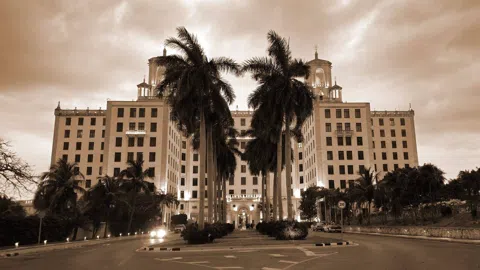
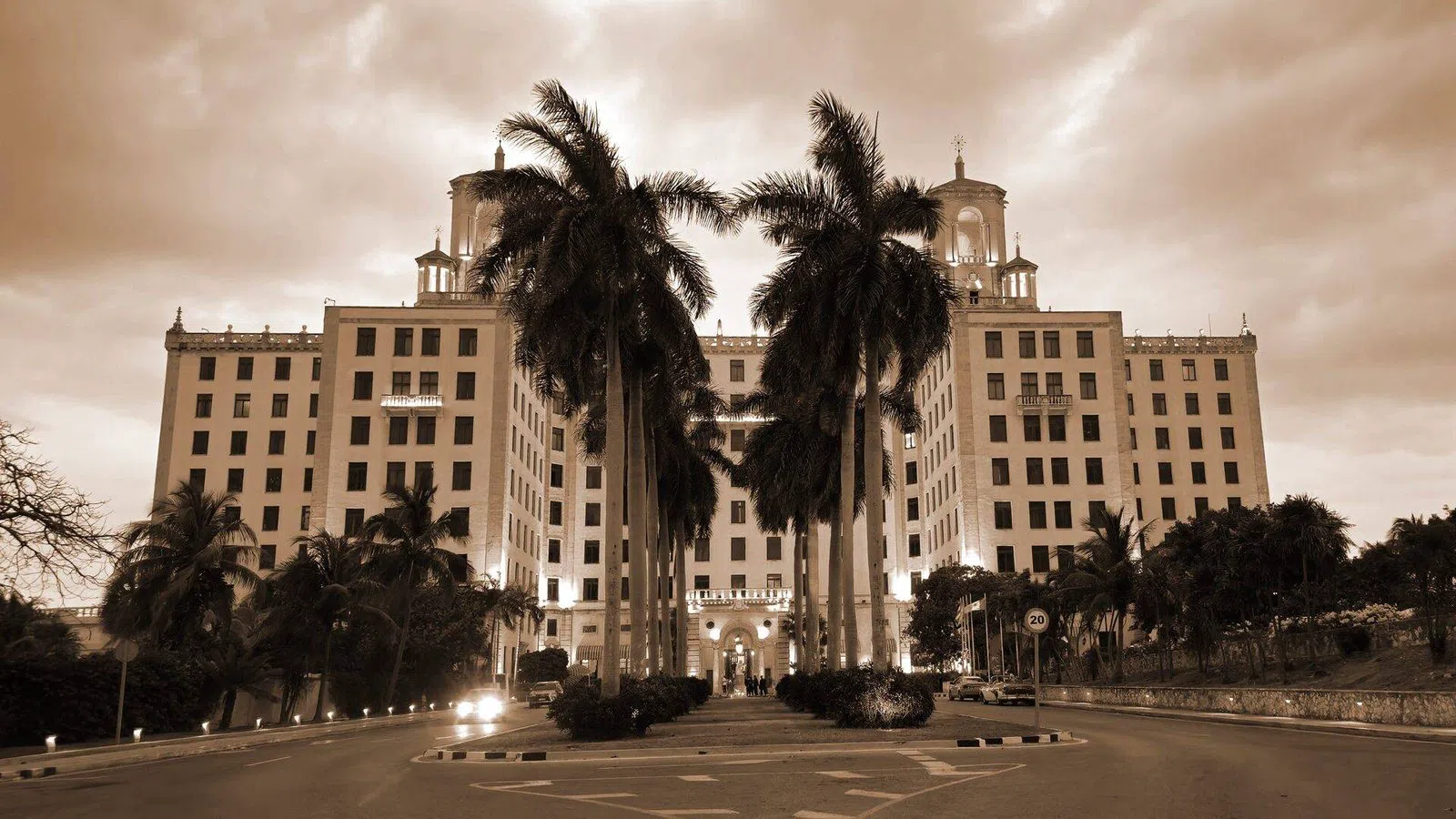
Hotel Nacional de Cuba (Vedado) sits on its own headland above the Malecón and remains the most reliable big-hotel bet in the district for the specific thing you are worried about. Guests through 2026 report rooms cooling properly 'in these days of power outages', which is not a given elsewhere in Vedado, and at roughly 150 to 300 USD a night depending on season and room grade it is not the most expensive way to buy that certainty. With 426 rooms plus suites, meeting rooms, an events desk and the Cabaret Parisien running Friday to Sunday from 9pm to 2am, it absorbs coach parties without strain, which is a warning as much as a recommendation if you are two people looking for quiet. Ask for a seaward room, and check the air conditioning actually works before you unpack rather than after dinner.
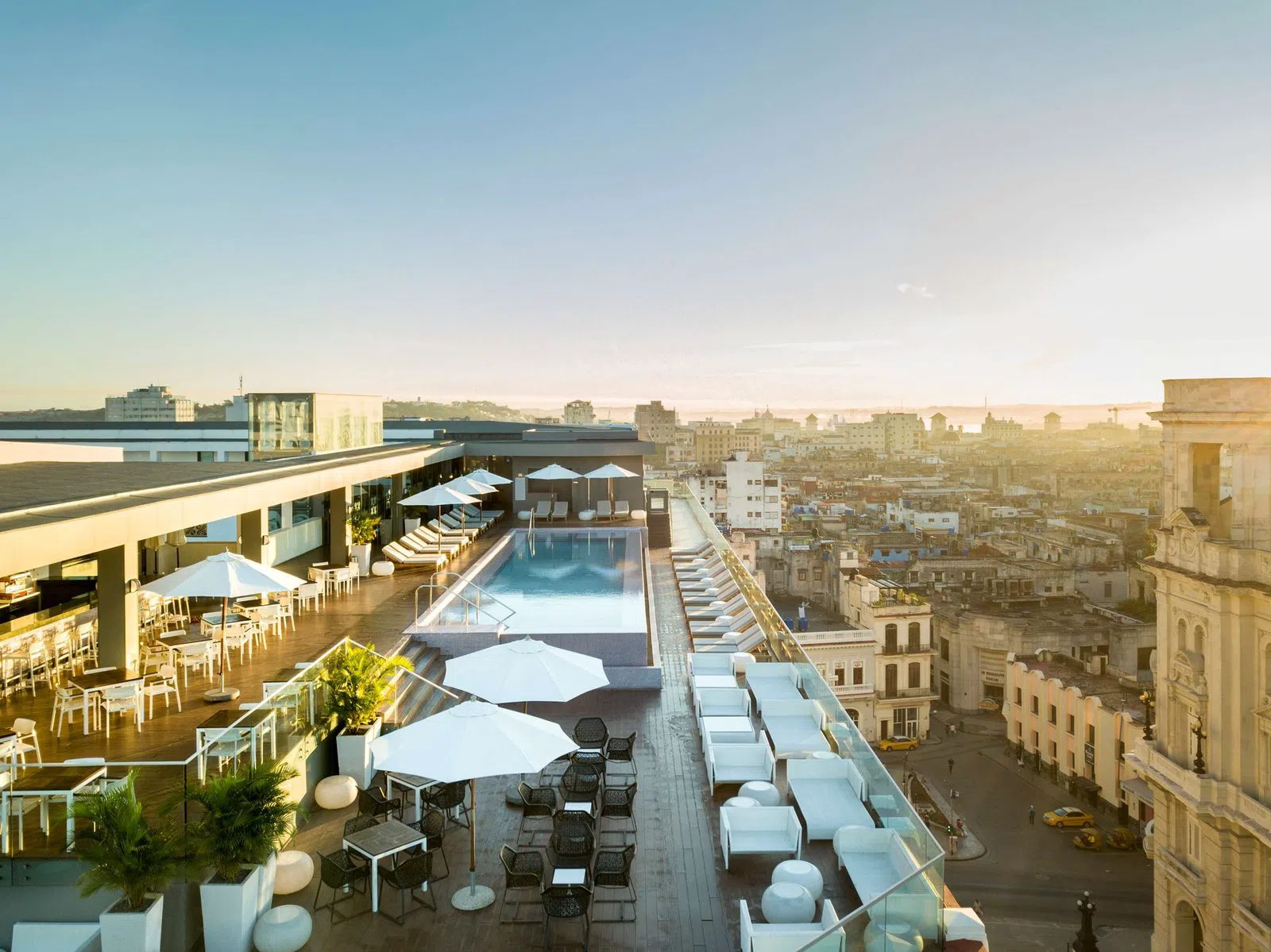
Gran Hotel Manzana Kempinski La Habana (Old Havana) is the surest version of the same trade at 300 to 500 USD a night: 246 rooms, meeting space and a large rooftop terrace, all of it kept cool and lit by the hotel's own generation. Be honest with yourself about the contrast, because you will feel it every time you walk out of the door and into a Centro Habana street with no power in it. One practical note: day passes for non-guests are not dependably sold here, so do not build an afternoon around getting onto that roof unless you are staying.
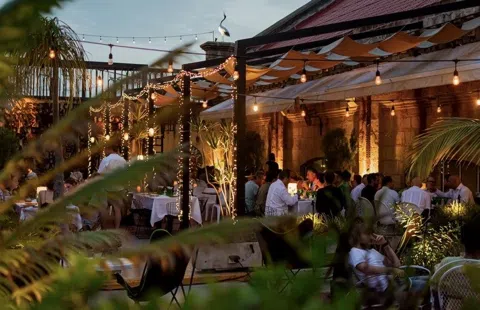
Malecón 663 (Centro Habana) is the opposite proposition and, for a couple or a small group, often the better one. Five suites in an architect-restored house, Cuban-owned, at roughly 120 to 200 USD a night, small enough that the hosts deal with a water or power problem personally, which is the single most useful quality a Havana property can have. A group of eight to ten can take the whole house. The rooftop bar takes walk-ins and fills for weekend brunch, drinks around 5 to 8 USD. Before you book, ask directly what backup power and water storage the house holds; a good host answers that question precisely, and a vague answer is itself the answer.
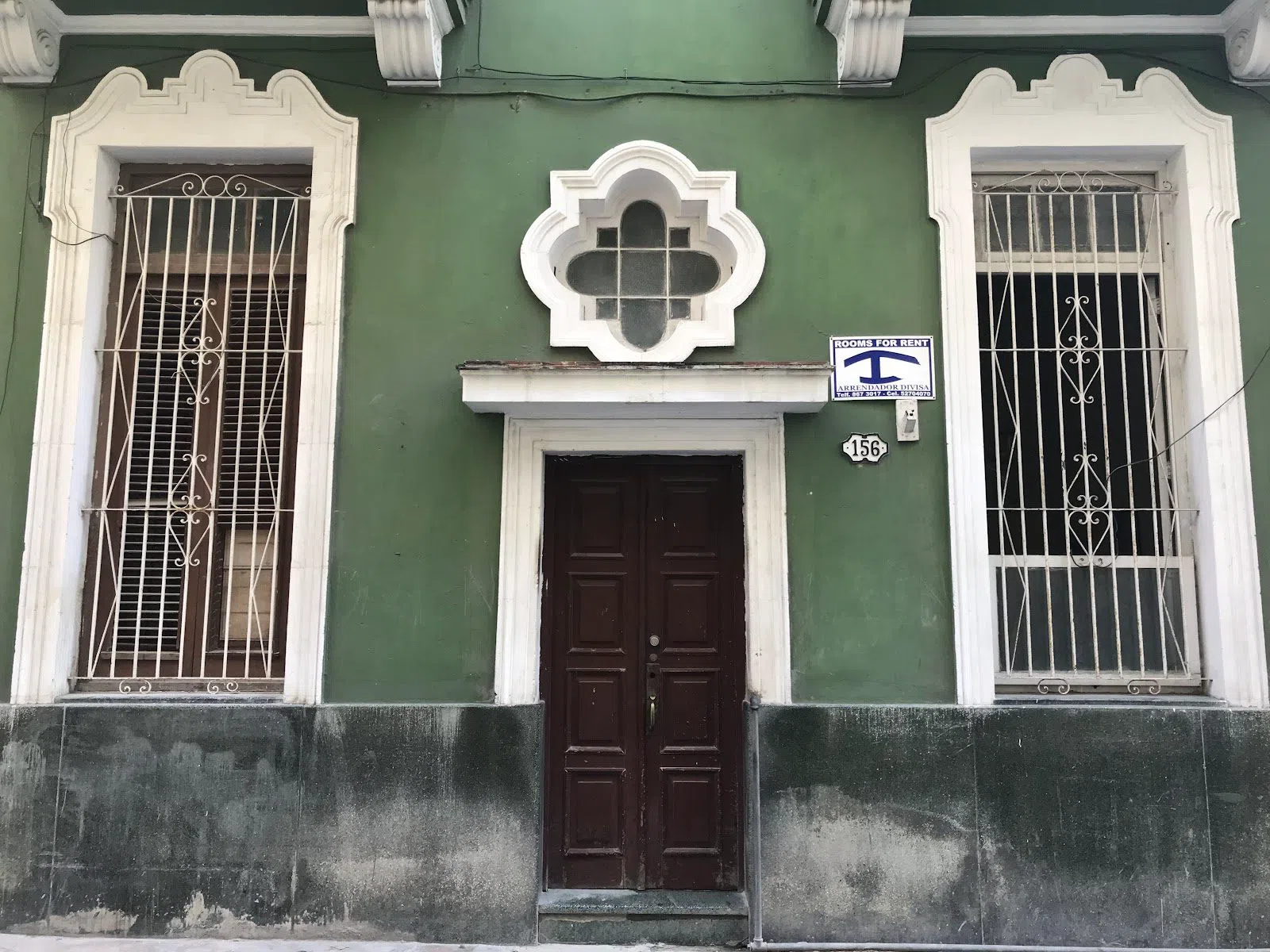
Hostal Peregrino (Centro Habana) is the casa particular route, at roughly 30 to 50 USD a room per night, cash. The family runs several houses within walking distance of one another, so a group of ten can split across addresses and still sit down to the same breakfast. A family that has rented rooms for years is the practical answer to an unreliable grid: they know exactly when their circuit goes, they keep water stored, and they cook anyway. Confirm by message before you pay a deposit that the house has a battery or generator and that hot water is genuinely twenty-four hour, not 'usually'.
Whatever you are comparing on a Havana hotel search, the four questions worth putting to any property are the same. Does the house have a generator or a battery bank? Does it run the air conditioning, or only the lights and the fridge? Is there a water tank, and how many hours does it hold with the pump off? Is hot water available around the clock?
Plan your Havana trip
Live prices from our booking partners.
Free cancellation on many rooms. We may earn a commission when you book.
The middle of the day belongs indoors
From about noon to four, walking Havana in high summer is a poor use of a holiday. Build the day so those hours land somewhere with a roof and, ideally, a compressor.
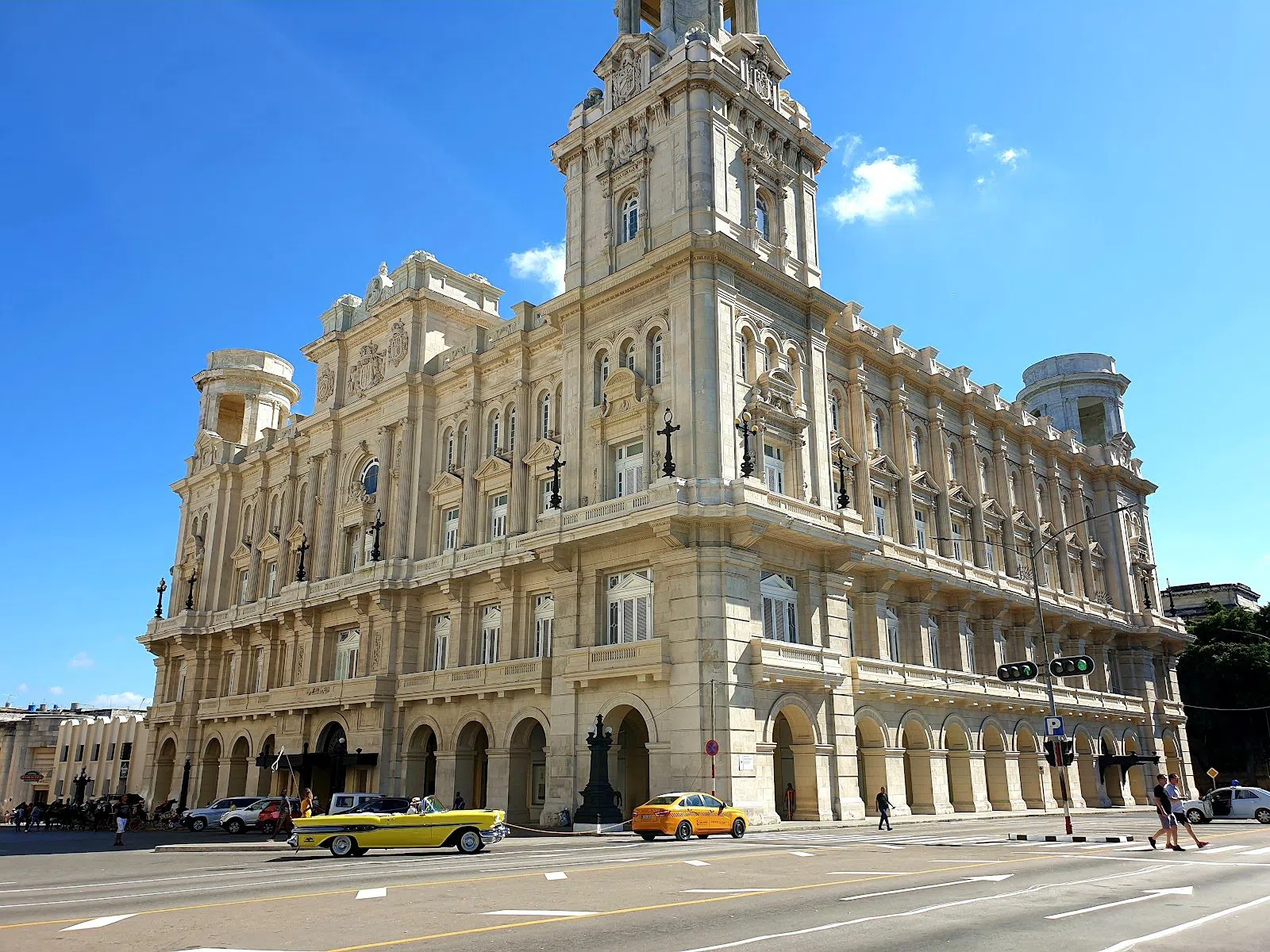
Museo Nacional de Bellas Artes de La Habana (Old Havana) is the best of them and costs a few dollars in cash. One ticket covers both buildings, and the Cuban collection (Lam, Peláez, Portocarrero) is genuinely world class rather than dutifully local. Take the modern building first: it is the better cooled of the two, while the older Centro Asturiano palace across the way can be stifling on a still afternoon. Guided visits are arranged at the desk and groups are handled easily. Open Tuesday to Saturday 10am to 6pm and Sunday 10am to 2pm, so a Monday plan needs a different answer.
Museo del Ron Havana Club (Old Havana, near the harbour) is the efficient one. Guided tours leave every fifteen minutes in several languages, run about half an hour indoors, cost around 15 USD and finish with a seven-year-old añejo; the adjoining bar has live music if you want to stretch it into an hour. It is built for groups and booking is advised. Tuesday to Saturday, 9am to 4.30pm.
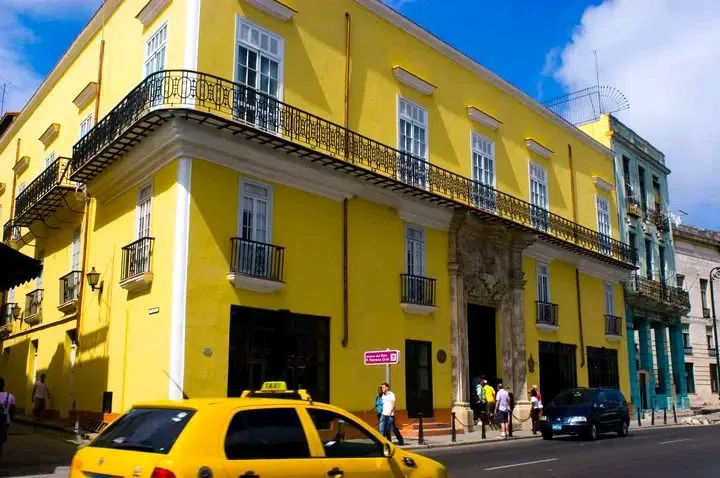
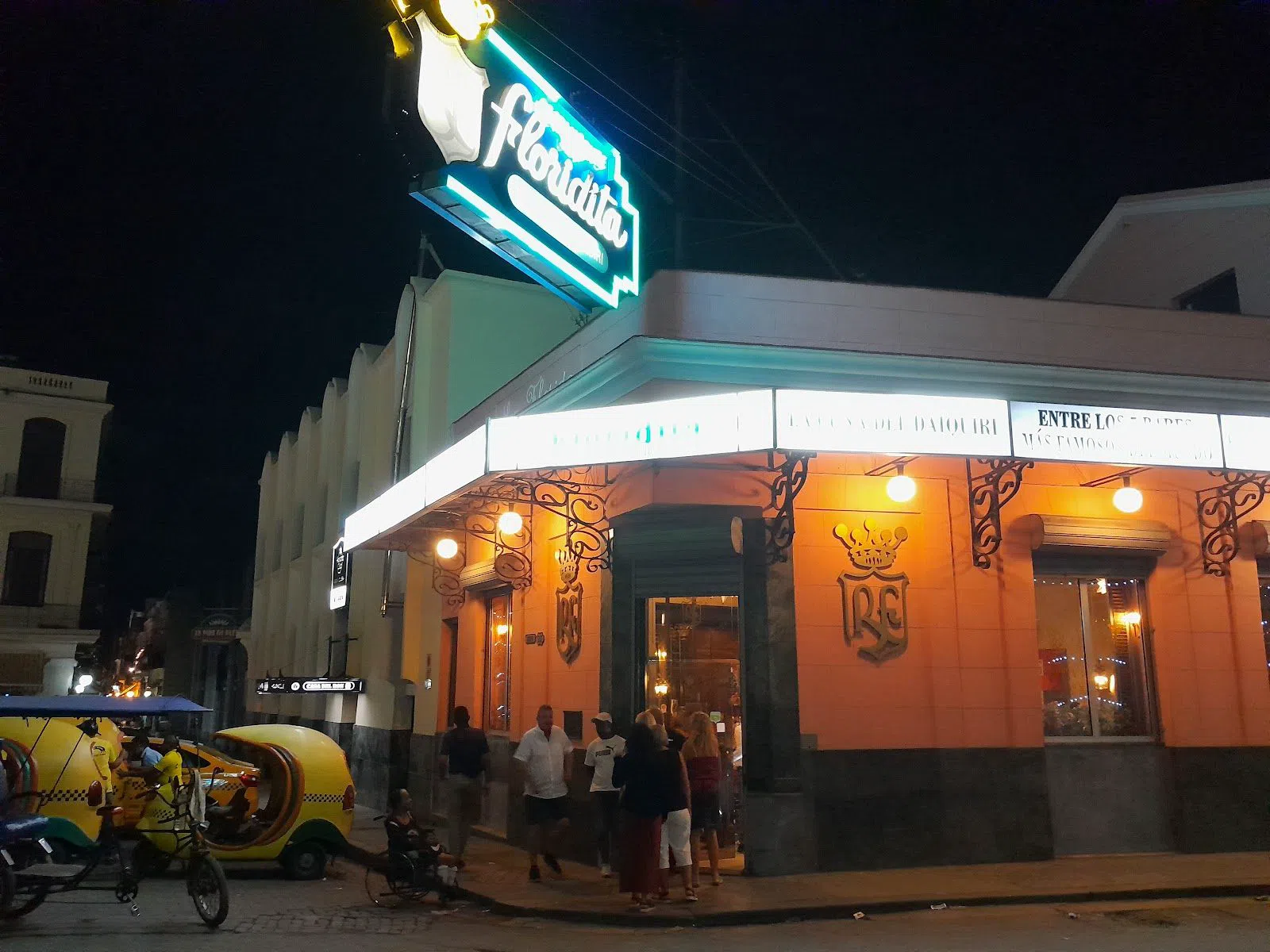
El Floridita (Old Havana, on Obispo) has the strongest air conditioning in the old town, which is a legitimate reason to go in even if the daiquiri at about 7.50 USD is priced for its own legend. Two useful facts: cards are usually accepted here, which they are not on the street outside, and you should read the amount on the terminal before you sign, because overcharges do get reported. It fills with tour parties through the middle of the day, so go early or go late.
If what you actually want is water, VOYA Boutique Hotel (west of the centre, a taxi ride out) is the rare Havana property that genuinely sells pool access to non-guests. The day pass runs 10am to 6pm with a two-person minimum, is booked direct, and includes room use, plunge pools, a welcome cocktail, towels and Wi-Fi. The garden takes a dozen people comfortably. Most hotels here, the Packard included, keep their pools for residents only, so on a 34°C afternoon the fare is worth paying.
Eating well when the supply is thin
Supply into Havana kitchens is uneven, and the honest signal of a good restaurant here is not the menu length but whether the menu is real on the night you arrive.
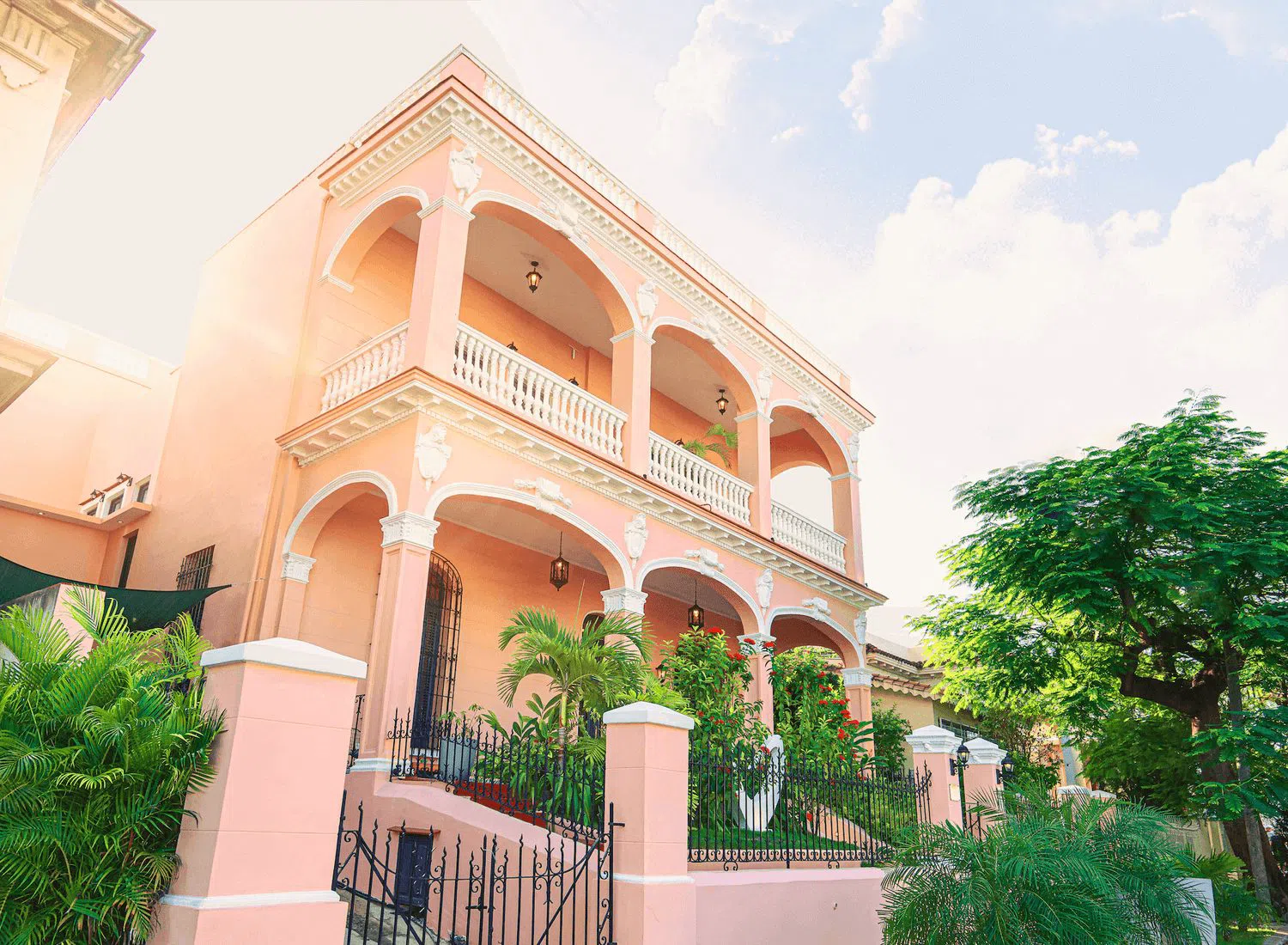
La Guarida (Centro Habana) has been the city's best-known private restaurant since 1996 and took a World Culinary Awards title in 2023, and the climb through the crumbling tenement stairwell to reach it is half of what people remember. Mains run roughly 15 to 25 USD, cocktails 6 to 9 USD, and the house openly markets private events, weddings and corporate dinners across its floors, so a group is welcome if you book well ahead. Carry cash even though a card is nominally accepted; that is the standing rule everywhere in this city, and this is not the place to test it.

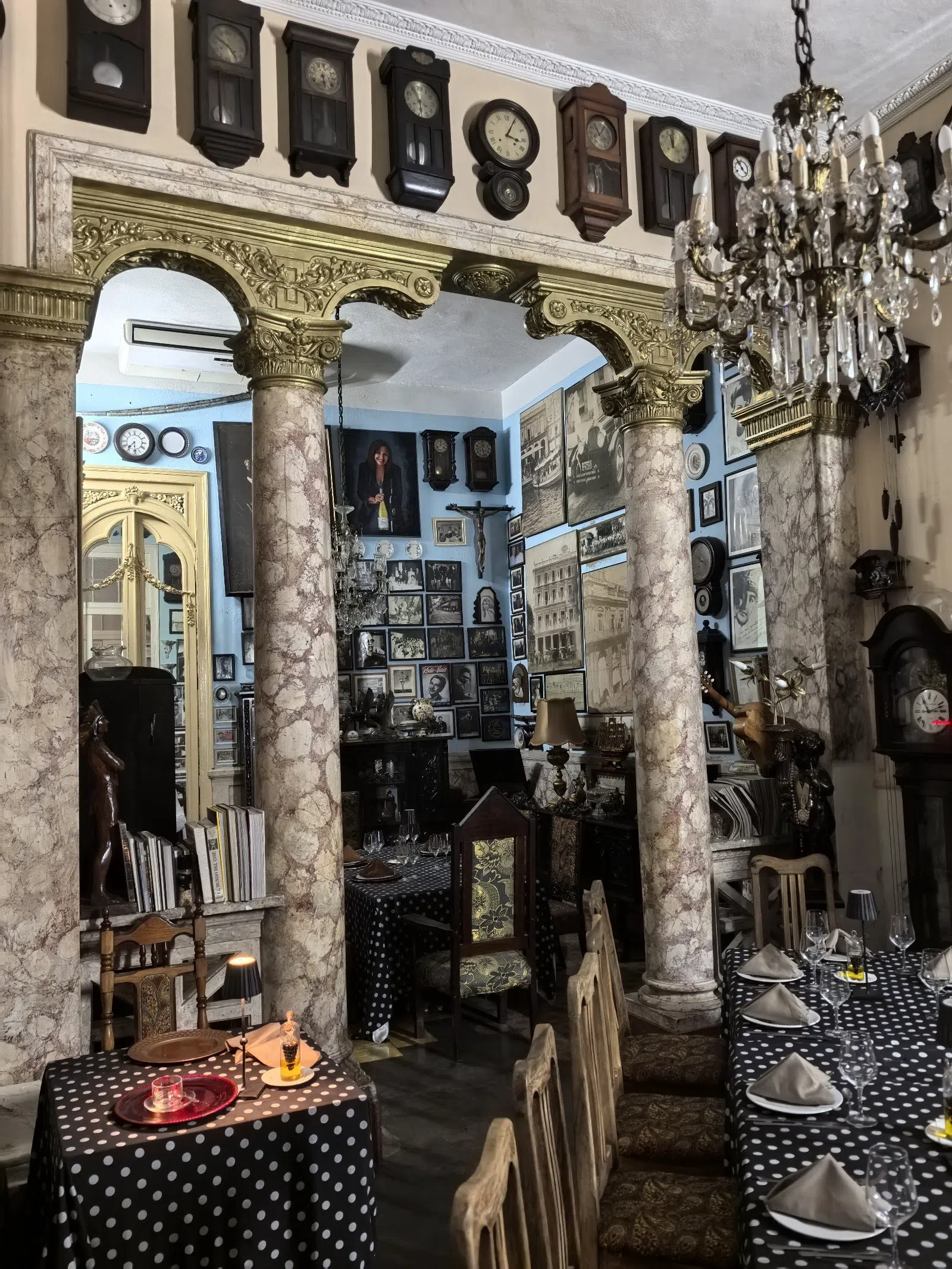
San Cristóbal Paladar (Centro Habana) is where I send people who want the older register: roast pork, congrí, and a dining room that is effectively a museum of the twentieth century with the plates arriving through it. Mains are roughly 12 to 22 USD, it takes group bookings across several small rooms, and it opens noon to midnight daily. It is also one of the few kitchens in the city that reliably runs its full menu when supply is tight, which on a difficult week is worth more than a tasting concept.
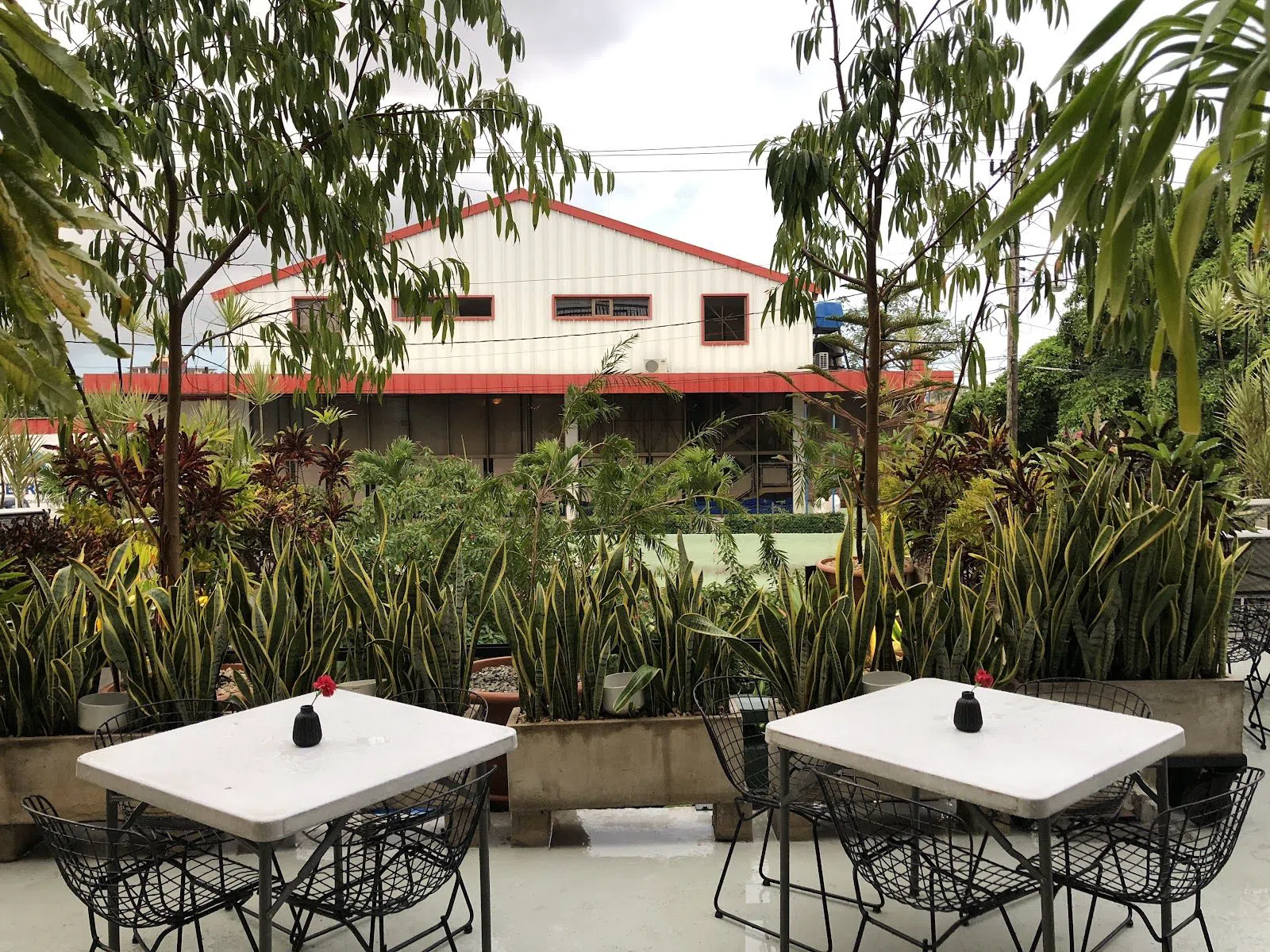
El Cocinero (Vedado) is the practical hot-weather choice, because the rooftop and terrace catch the breeze off the river and that matters more in August than anything on the plate. Tapas and mains sit around 8 to 18 USD with cocktails near 5 USD, groups are fine on the terrace, and you should go early, because the queue builds once it is dark. Its neighbour, the Fábrica de Arte Cubano, announced a temporary closure in June 2026 and now opens only for announced special events, so do not build an evening around walking next door afterwards.
The free hours on the street
Callejón de Hamel (Centro Habana) is Salvador González's mural alley, and the Sunday rumba from noon has run for decades because the neighbourhood turns out for it rather than because anyone markets it. It is free (tip the musicians, buy a drink), and it is loud, packed and hot, with no shade worth the name. Go for the drumming, not for comfort, arrive before it fills if there are more than four of you, and keep your bag in front of you.
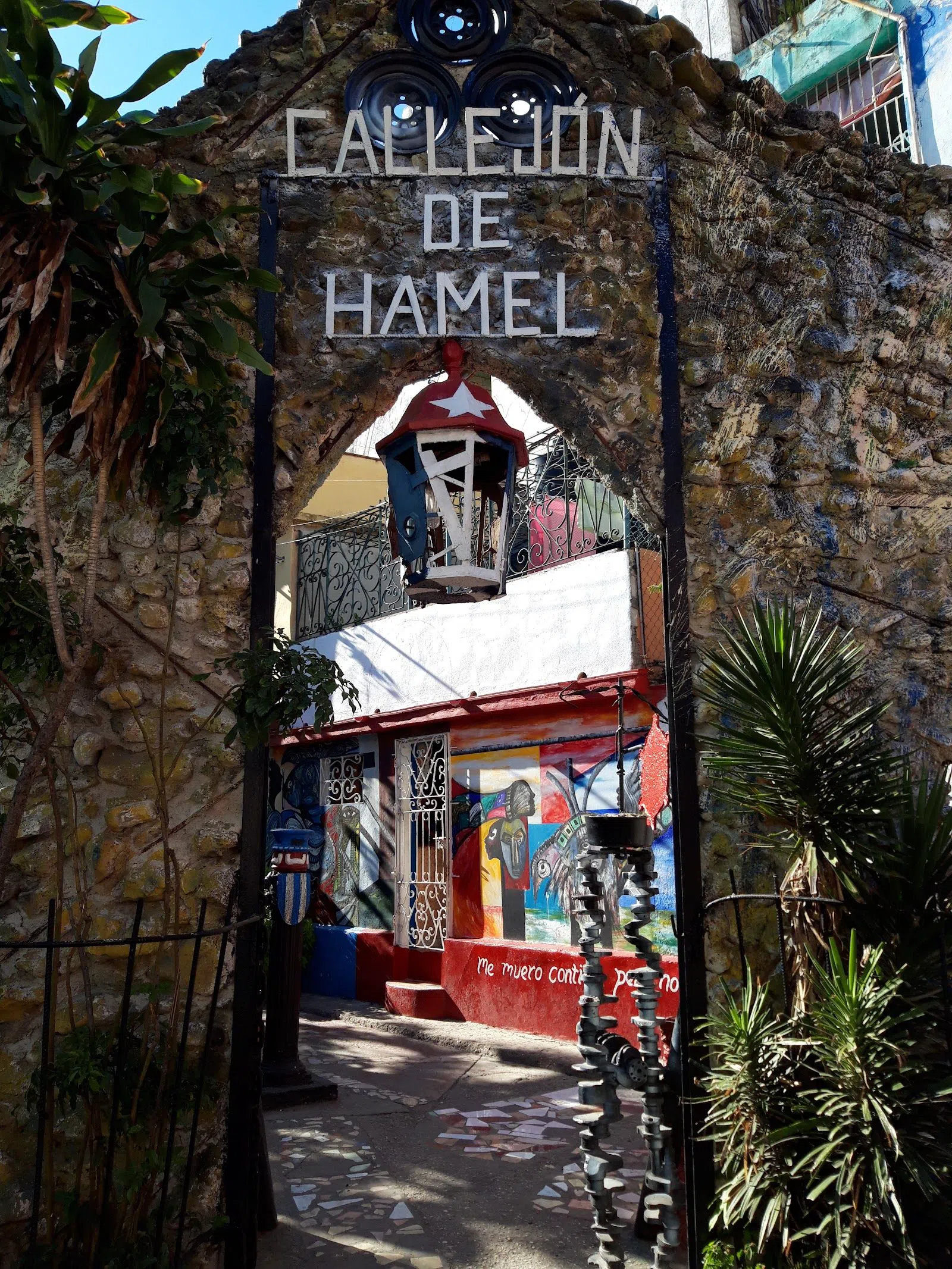
The other free hours are the Malecón itself after sunset, when the seawall fills with families, fishermen and courting teenagers and the temperature finally drops into something civil. It is also where a blackout stops being an inconvenience and becomes the reason you can see the stars over a capital city. For wider orientation on the districts and what sits where, the Havana guide is the place to start.
Nights that survive a dark block
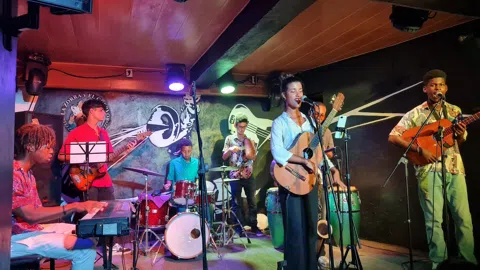
La Zorra y el Cuervo (Vedado, on La Rampa) is the city's best-known jazz basement, and being underground it is cooler than the street above it, an unglamorous advantage that becomes the main one in summer. The room holds roughly a hundred, the cover is modest and usually includes a drink, and sets start after sunset. A group of six or eight will be fine if you arrive when the doors open; a party of twelve will not sit together, so split it or choose elsewhere. The line-up changes nightly and is not reliably published, so ask at the door what is on.
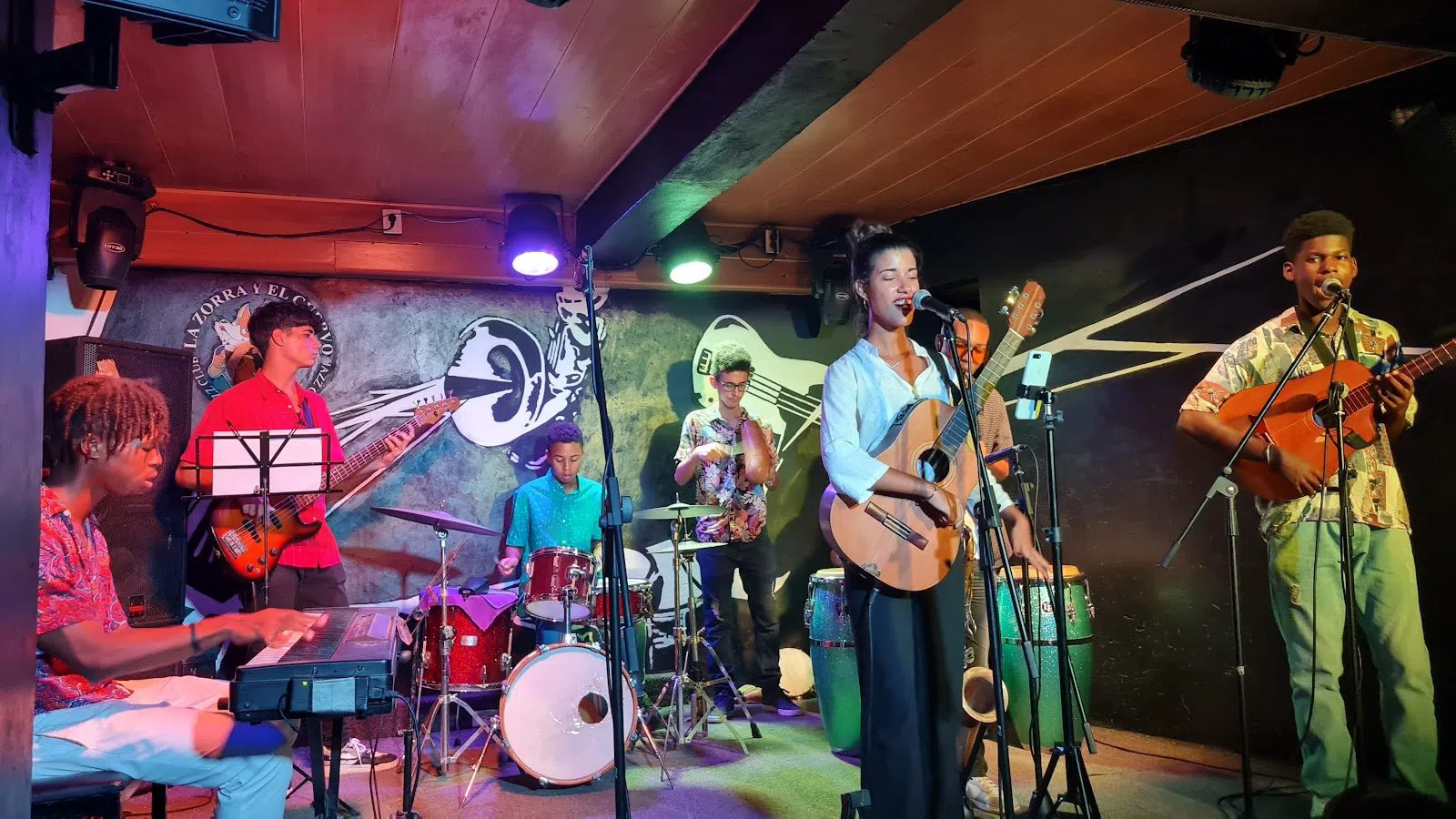
For a fixed, ticketed, air-conditioned evening that a large group can be booked into weeks ahead, the Cabaret Parisien at the Hotel Nacional does that job from Friday to Sunday, 9pm to 2am. For two people who want a quiet drink with the sea in front of them, the rooftop at Malecón 663 is the better hour.
Moving around and staying reachable
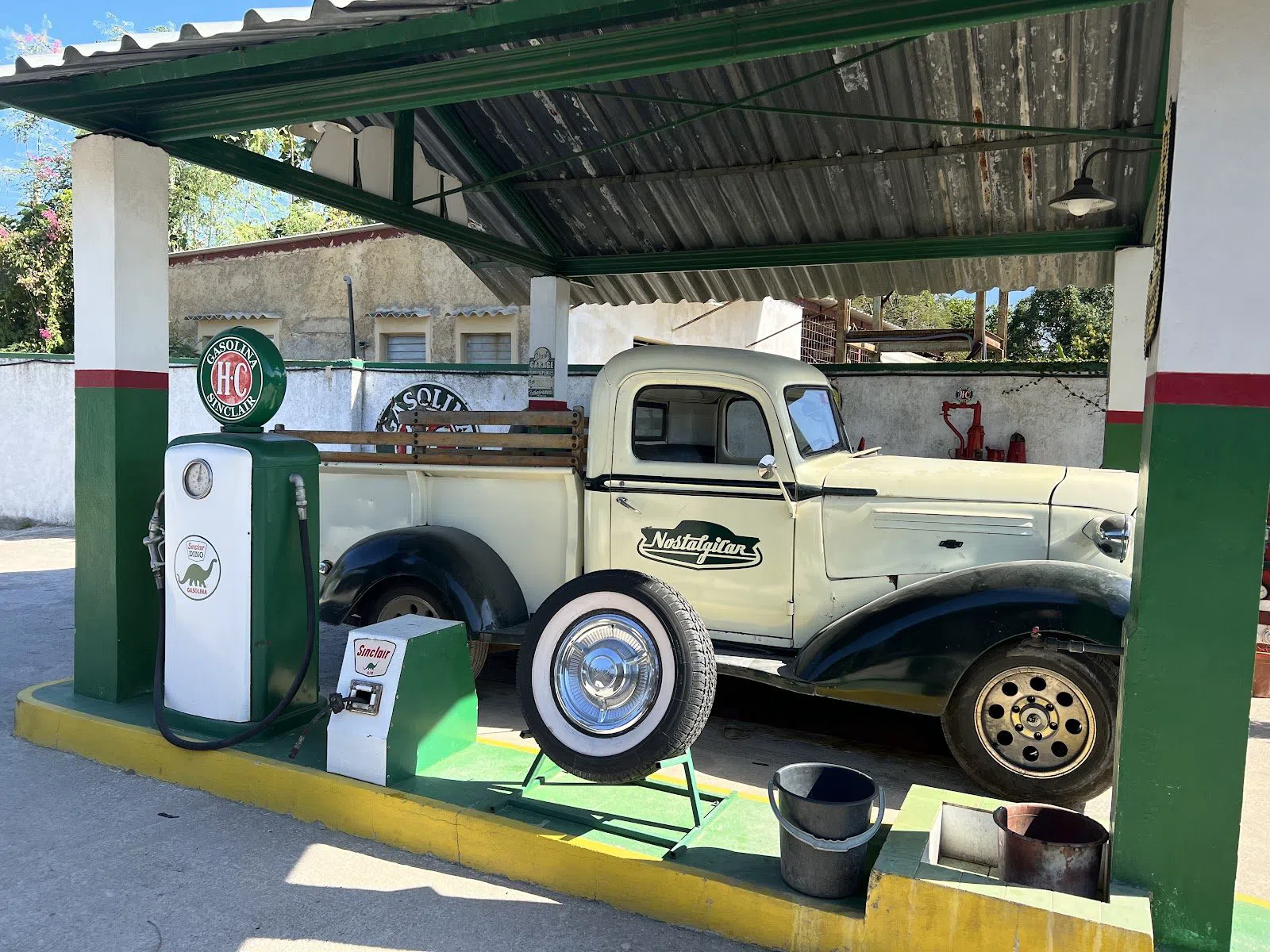
NostalgiCar (family-run by Julio and Nidialys, booked by WhatsApp) is a proper restoration business rather than a rank of touts on Parque Central, and the garage visit is genuinely interesting rather than a sales stop. Because they run a fleet, several cars can move in convoy for a group; city drives are priced by the hour, with longer tours and airport transfers priced per car. Agree the price in cash in advance and the standard roadside haggle never starts.
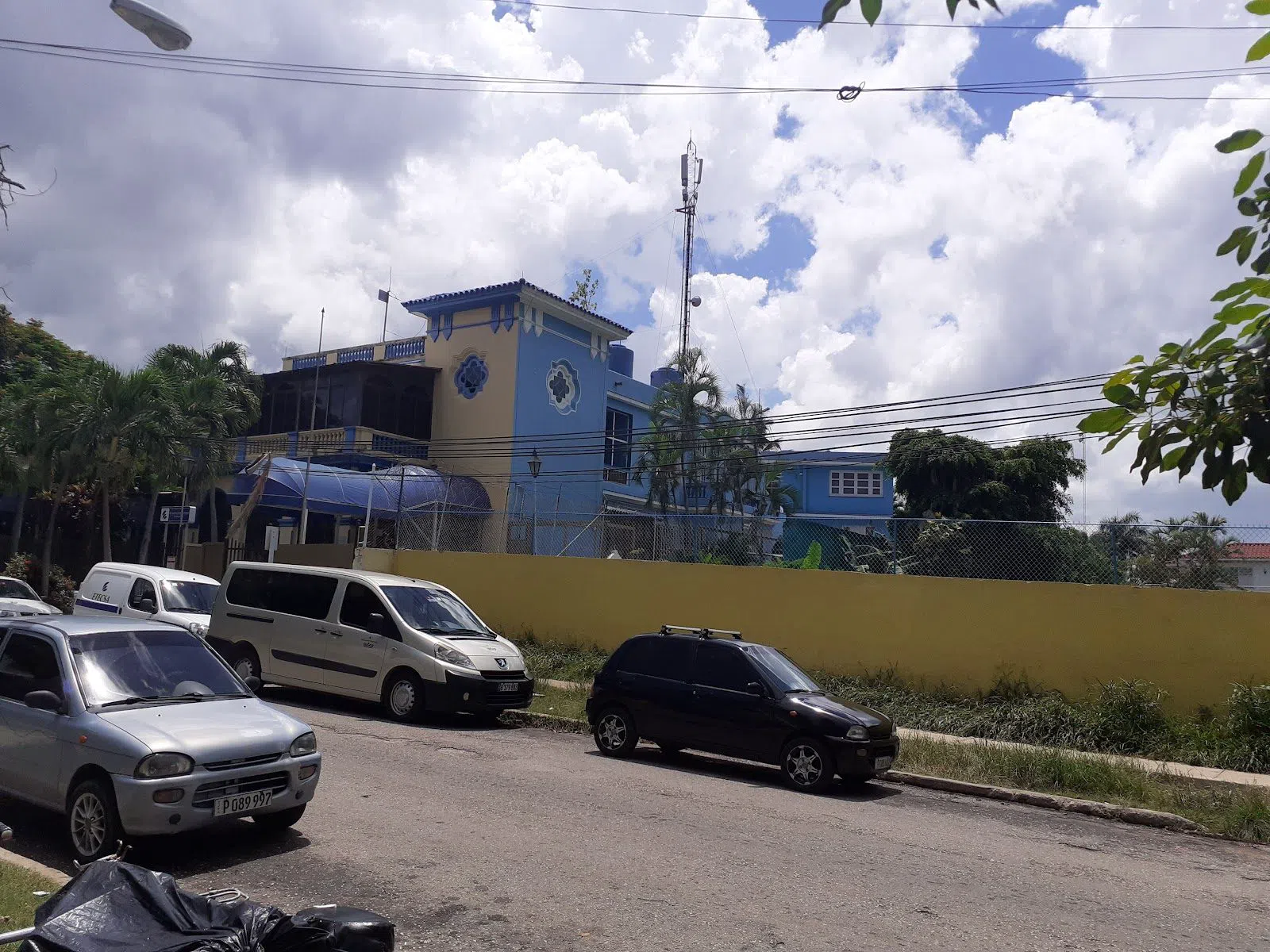
Cubacel Tur (the ETECSA tourist line) is the connectivity answer, and it has to be bought before you fly: the SIM is sold online only, paid by card or PayPal, and collected at the airport desk or any ETECSA office in the city. Basic gives 4GB over seven days, Plus gives 10GB over thirty with unlimited WhatsApp, and it is one line per traveller. Ordinary roaming into Cuba is unreliable and most eSIM providers simply do not work on the island, so the physical line is the dependable option. WhatsApp is how you will actually reach your host, your driver and your restaurant.
Cash, timing and what it costs
Bring cash, bring more than your spreadsheet says, and bring clean, unmarked notes. Card acceptance is patchy outside the big hotels and a handful of places like El Floridita, foreign cards fail at machines more often than they succeed, and cards issued by US banks do not function at all. Exchange rates move fast enough that any figure printed here would be wrong by the time you read it, so change small amounts at a time and never on the street with a stranger who approached you.
Costed roughly, a casa room runs 30 to 50 USD a night, a mid-grade hotel 150 to 300, the top end 300 to 500. Dinner mains fall between 8 and 25 USD depending on the address, cocktails 5 to 9, museum entry a few dollars, the rum tour about 15. Two people eating out once a day, taking one classic-car hour and one taxi across town, land comfortably under 150 USD a day outside accommodation.
November to March is cooler and drier and the obvious window. June to September is the hot, humid, grid-stressed half of the year and overlaps the hurricane season, which runs to November, so travel then with flexible dates and insurance that means something.
Pack a head torch and a large power bank, and build the habit of charging everything the moment the power returns. Keep bottled water in the room and, in a casa, a filled bucket in the bathroom: that is what everyone else on the block is doing, and it is why they are unbothered when the pump stops.
Old Havana into Centro Habana is comfortably walkable in the cool hours; Vedado is a further half hour on foot from the edge of Centro and worth a car in the heat. Fix every taxi fare before the door closes.
Before you go
Is Havana worth visiting while there are blackouts?
Yes, as long as you plan around them instead of hoping for the best. The city already has its habits: big hotels such as the Hotel Nacional de Cuba and the Gran Hotel Manzana Kempinski run their own generators, family casas like Hostal Peregrino store water and cook whatever the grid is doing, and museums and basements stay usable through the worst of the heat. The trade is spontaneity. At dusk the whole city still empties onto the Malecón.
Which Havana accommodation is most reliable during power cuts?
Large international hotels generate their own power, so the Gran Hotel Manzana Kempinski (300-500 USD) and the Hotel Nacional de Cuba (150-300 USD) are the surest bet for air conditioning that actually runs. Small owner-run houses have a different advantage: at Malecón 663 or a Hostal Peregrino casa, somebody is on site to fix the problem. Ask any property directly whether its backup runs the air conditioning or only the lights and fridge, and how many hours its water tank holds.
How much cash should I bring to Havana and can I use a card?
Bring the whole trip in cash, in clean notes. Cards work at some big hotels and at El Floridita but not on the street, foreign cards fail at machines more often than they work, and US-issued cards do not work at all. Budget roughly 30-50 USD a night for a casa room, 150-300 for a mid-grade hotel and 8-25 USD for a restaurant main, then add a margin, because running short is genuinely hard to fix on the ground.
How do I get mobile data in Havana?
Buy a Cubacel Tur line from ETECSA online before you fly and collect it at the airport desk or any ETECSA office in the city. Basic covers 4GB over seven days, Plus 10GB over thirty with unlimited WhatsApp, one line per traveller. Ordinary roaming is unreliable and most eSIM providers do not work on the island. WhatsApp is how you will reach your host, your driver at NostalgiCar and your restaurant.
What can I do in Havana during the hottest part of the day?
Go indoors from about noon to four. The Museo Nacional de Bellas Artes has the better-cooled modern building and the Cuban collection worth the visit, the Museo del Ron Havana Club runs half-hour tours every fifteen minutes that end in an añejo, and El Floridita has the strongest air conditioning in Old Havana. If you want water rather than art, VOYA Boutique Hotel sells a real 10am to 6pm pool day pass with a two-person minimum, booked direct.